








What's Happening?
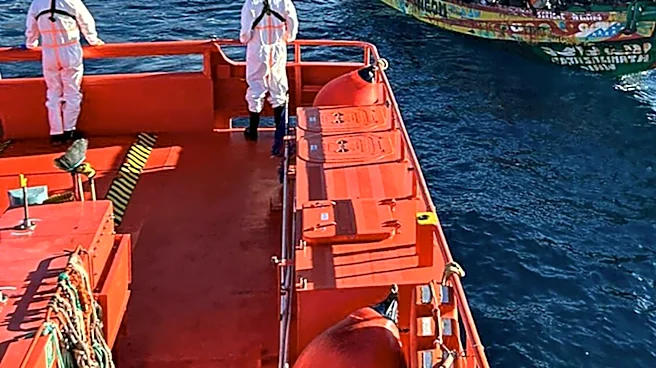
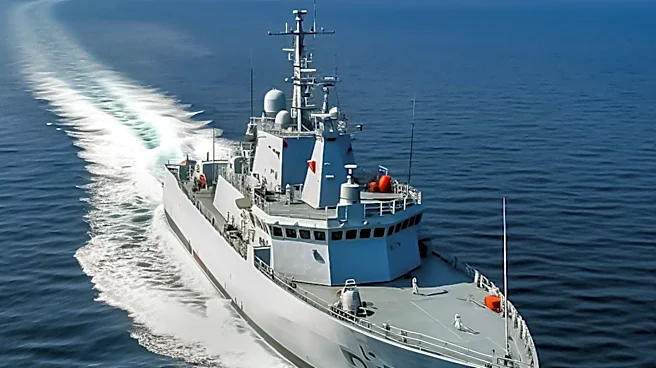
The European Union's border agency, Frontex, has deployed a patrol vessel to the English Channel for the first time. This deployment is intended to support French search and rescue operations for small, overcrowded boats carrying irregular migrants attempting
to cross from France to the United Kingdom. Frontex also announced plans to deploy additional vessels to join French patrols in the coming months. This initiative comes in response to a significant number of irregular migrants attempting the dangerous crossing, often in hazardous conditions. As of early August, 15 people have died this year while attempting to cross the Channel. A recent incident on August 4 saw 173 people rescued after a smuggling boat caught fire in the English Channel, highlighting the perilous nature of these journeys.
Why It's Important?
The deployment of Frontex vessels to the English Channel signifies a heightened European response to the ongoing migration crisis in the region. This move underscores the increasing pressure on European nations to manage irregular migration and the humanitarian concerns associated with dangerous sea crossings. The involvement of a pan-European agency like Frontex indicates a recognition that this is a shared challenge requiring coordinated international efforts, rather than solely a national issue for France and the UK. The focus on search and rescue operations highlights the immediate humanitarian imperative, aiming to prevent further loss of life. However, it also implicitly acknowledges the persistent flow of migrants and the limitations of current deterrents, suggesting a need for more comprehensive long-term strategies to address the root causes of irregular migration and the activities of human smugglers.
What's Next?
Frontex plans to deploy additional vessels to the English Channel in the coming months, indicating a sustained and potentially escalating presence to assist French patrols. This increased presence is likely to enhance search and rescue capabilities, potentially reducing fatalities in the short term. However, the underlying issue of irregular migration across the Channel is expected to persist, necessitating ongoing efforts to disrupt smuggling networks and address the factors driving individuals to undertake such perilous journeys. The effectiveness of this enhanced patrol will likely be evaluated based on its impact on rescue numbers and, ideally, a reduction in successful illegal crossings. Further discussions among EU member states and the UK on broader migration policies and cooperation are also anticipated as the situation evolves.
Beyond the Headlines
The deployment of Frontex to the English Channel, a body of water historically significant for its role in Anglo-European relations, carries deeper implications beyond immediate search and rescue. It symbolizes the evolving nature of border security in Europe, where national borders are increasingly viewed through a collective lens, particularly in the face of transnational challenges like migration. This move could set a precedent for greater integration of border management efforts across the EU, potentially leading to more standardized approaches to migration control and humanitarian aid. Furthermore, it highlights the complex interplay between national sovereignty and supranational cooperation, as member states balance their individual interests with collective responsibilities. The ongoing crisis also raises ethical questions about the balance between securing borders and upholding humanitarian principles, and the long-term societal impacts of migration on both host countries and the migrants themselves.