





What's Happening?
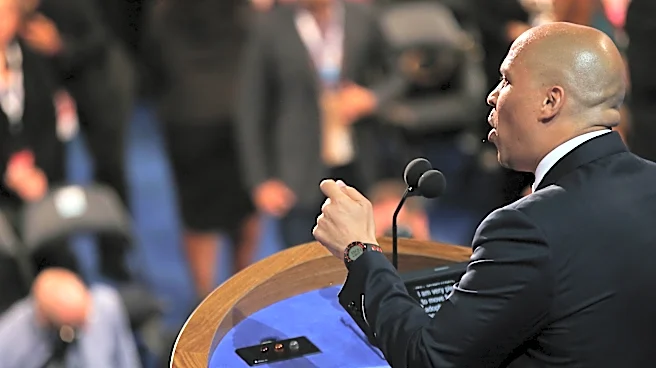
Senator Cory A. Booker, D-N.J., has introduced S. 5713, the Protecting Family Caregivers from Discrimination Act of 2026. This bipartisan legislation aims to make it illegal for employers to discriminate against workers or job applicants based on their
family caregiver responsibilities. The bill defines family caregiver responsibilities broadly, encompassing care for spouses, children, parents, siblings, grandparents, grandchildren, and other individuals with a family-like relationship. Key protections include prohibiting employers from refusing to hire, punishing, harassing, demoting, or firing individuals due to their caregiving duties. It also covers decisions related to pay, promotions, job conditions, scheduling, and work hours. Additionally, the bill includes retaliation protections for workers who assert their rights under the law, creating a presumption of retaliation if adverse action is taken within two years of exercising protected rights. The Equal Employment Opportunity Commission (EEOC) would enforce the law, and workers would have the right to sue in court directly.
Why It's Important?
This legislation is significant for the U.S. workforce, particularly as the demand for family caregiving continues to rise. It addresses a critical gap in federal anti-discrimination laws, which currently do not explicitly protect employees based on their caregiving status. The bill's passage would provide legal recourse for millions of Americans who face workplace discrimination due to their family responsibilities, potentially leading to greater job security and equitable treatment. For businesses, it would necessitate a review of hiring and employment practices to ensure compliance, fostering a more inclusive work environment. The establishment of a Family Caregiver Antidiscrimination Fund, financed by penalties for willful violations, would support grant programs for education, employer training, and outreach, further promoting awareness and compliance. This could lead to a cultural shift in how employers view and support their caregiving employees, ultimately benefiting both workers and the economy by retaining experienced talent.
What's Next?
The Protecting Family Caregivers from Discrimination Act of 2026, S. 5713, has been introduced and currently has one co-sponsor. The next steps involve the bill moving through the legislative process, including committee review and potential votes in the Senate and House of Representatives. If passed, employers would be required to post notices about these new rights within 180 days of the law taking effect. The EEOC would then establish a competitive grant program to support education and training initiatives. The bill's implementation would likely lead to increased litigation related to caregiver discrimination, as workers gain the right to sue directly. Advocacy groups and civil society organizations are expected to monitor its progress and advocate for its passage, highlighting the potential positive impact on family caregivers across the nation.
Beyond the Headlines
Beyond its immediate legal implications, this bill touches upon broader societal issues concerning work-life balance, gender equality, and the evolving definition of family. Discrimination against caregivers disproportionately affects women, who often bear the primary responsibility for family care, thus perpetuating gender disparities in the workplace. By providing legal protections, the bill could help dismantle systemic barriers that hinder career advancement and economic stability for caregivers. It also acknowledges the diverse forms of family relationships, extending protections beyond traditional nuclear family structures. The legislation could encourage a more compassionate and flexible corporate culture, recognizing caregiving as a fundamental aspect of many employees' lives rather than a liability. This shift could lead to long-term benefits for employee morale, productivity, and overall societal well-being, fostering a more supportive environment for all workers with family responsibilities.