






What's Happening?
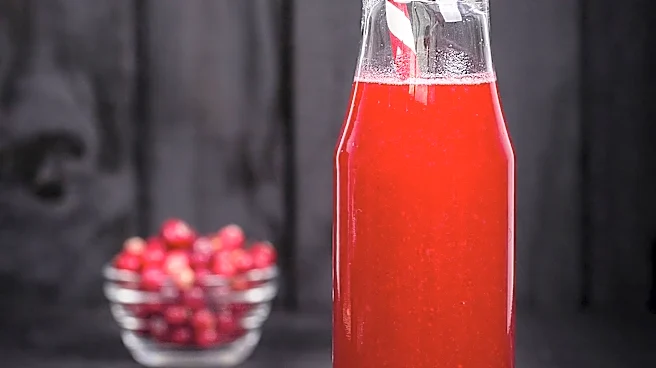
New research published in the journal Scientific Reports indicates that 100 percent cranberry juice may help slow the growth of dental plaque and reduce the production of acids that contribute to cavities. The small, preliminary study involved 22 participants
(eight adults and 14 children) who rinsed with either unsweetened 100 percent cranberry juice, cranberry juice cocktail, or water. Researchers found that those who used pure cranberry juice experienced slower plaque regrowth and less acid production in their dental plaque. According to Christine D. Wu, PhD, lead study author and professor at the University of Illinois Chicago, cranberry juice contains a polyphenol chemical compound called proanthocyanidin. Julie Meyerson, DMD, a New York City dentist, explains that these compounds may interfere with the processes involved in plaque formation, such as bacteria like Streptococcus mutans producing sticky substances that help them attach to teeth. The findings suggest that cranberry polyphenols could make it more difficult for bacteria to form mature biofilms on teeth and may also reduce bacterial metabolism and acid production.
Why It's Important?
This preliminary research holds potential significance for public health, particularly in the ongoing effort to combat tooth decay and improve oral hygiene. If further, larger studies confirm these findings, cranberry juice could become a natural dietary adjunct to traditional dental care practices. The interference with plaque formation and acid production addresses key mechanisms of cavity development, offering a new angle for preventive strategies. While not a replacement for brushing and flossing, a readily available and palatable beverage like cranberry juice could encourage better oral health habits, especially among populations prone to dental issues. The potential for a natural compound to disrupt bacterial processes without necessarily killing bacteria, as noted by Matthew J. Messina, DDS, clinical associate professor at The Ohio State University College of Dentistry, also points to a more nuanced approach to microbial control in the mouth, potentially reducing the risk of antibiotic resistance associated with some antimicrobial agents.
What's Next?
The researchers emphasize that these findings are preliminary and much more research is needed to fully understand the impact of cranberry juice on dental health. Future studies will likely involve larger participant groups and longer observation periods to determine if the observed plaque and acid reduction translates into a significant decrease in cavity incidence. Mark S. Wolff, DDS, PhD, dean at the University of Pennsylvania School of Dental Medicine, highlights the need to ascertain if suppressing plaque will genuinely affect disease progression. If the benefits are substantiated, there could be recommendations for incorporating unsweetened 100 percent cranberry juice into daily routines as a complementary measure for oral health. However, dental professionals like Messina caution against replacing established practices such as brushing twice daily with fluoride toothpaste, flossing, limiting sugar, and regular dental visits with cranberry juice consumption.
Beyond the Headlines
The study's focus on proanthocyanidins, a type of polyphenol, underscores a broader scientific interest in the health benefits of plant-derived compounds. Polyphenols are increasingly recognized for their antioxidant and anti-inflammatory properties, and this research adds to the growing body of evidence suggesting their role in various aspects of human health, including oral health. The concept of 'functional foods' – foods that offer health benefits beyond basic nutrition – is gaining traction, and cranberry juice could potentially be categorized as such for dental health. This research also highlights the complexity of the oral microbiome and the potential for dietary interventions to modulate bacterial behavior. Understanding how specific compounds interfere with bacterial adhesion and metabolism could lead to the development of new, natural ingredients for oral care products, moving beyond traditional antimicrobial approaches to more targeted, biofilm-disrupting strategies.