




What's Happening?
California Congressman Brad Sherman has introduced a bill aimed at halting U.S.-produced oil exports during the ongoing conflict with Iran. This legislative move comes despite the Trump administration's stance against banning oil exports. The U.S. lifted
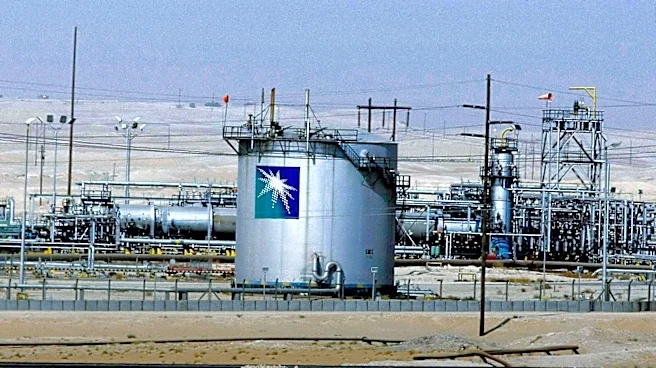
a 40-year ban on crude exports in 2015, becoming the world's top producer with an output of 13.6 million barrels per day. The current geopolitical situation has led to increased global demand for American oil, with the U.S. recently becoming a net exporter for the first time since World War Two. Sherman's bill reflects concerns over the impact of the Iran war on global oil supply chains, particularly affecting Asian and European refiners.
Why It's Important?
The introduction of this bill by Congressman Sherman highlights the potential for significant shifts in the global oil market. If passed, the legislation could lead to increased domestic oil inventories, potentially lowering U.S. crude prices and affecting the financial stability of American oil producers. The bill also underscores the geopolitical tensions influencing energy policies, as the Iran conflict has disrupted supply chains and heightened the strategic importance of U.S. oil exports. Stakeholders in the oil industry, including producers and refiners, are closely monitoring these developments, which could have far-reaching implications for global energy markets.
What's Next?
Should the bill gain traction, it could lead to legislative debates and potential adjustments in U.S. energy policy. Oil producers may need to reassess their strategies, particularly in terms of hedging against price fluctuations. The geopolitical landscape will continue to play a critical role in shaping energy policies, with potential reactions from international stakeholders, including oil-importing countries and global energy organizations. The outcome of this legislative effort could influence future U.S. energy export strategies and impact global oil prices.