




What's Happening?
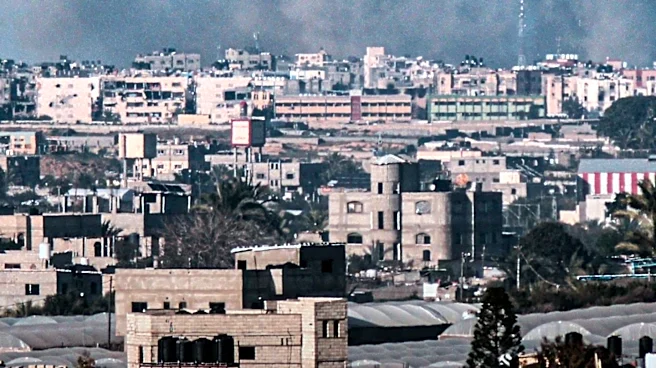
The current conflict between Israel and Hamas was immediately triggered by a large-scale assault launched by Hamas on Israel on October 7, 2023, leading Israel to declare war. However, the broader context of the Gaza-Israel conflict spans a much longer
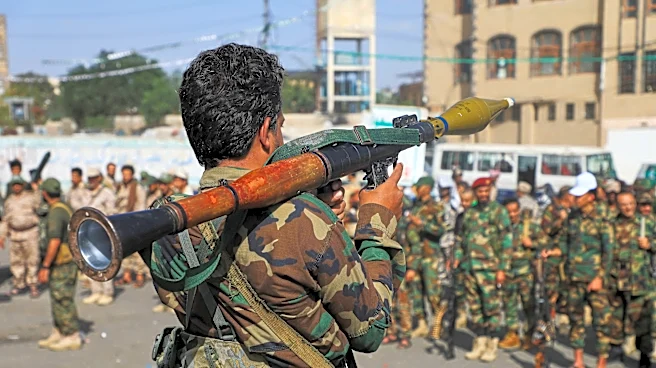
period. Key historical points include Israel's withdrawal from Gaza in 2005 and Hamas's subsequent takeover of Gaza in 2007. The conflict is also intertwined with earlier wars, the ongoing blockade of Gaza, and the wider Israeli-Palestinian conflict that dates back decades. There are two prevailing perspectives on the conflict's origin: one views the current war as beginning on October 7, 2023, while the other argues that understanding the conflict necessitates acknowledging its extensive historical roots, extending beyond 2023, 1967, or 1948. Recent escalations prior to the current conflict include major wars and operations in 2008-09, 2012, and 2014, characterized by heavy rocket fire into Israel and airstrikes on Gaza. Additionally, the 2018-2019 border protests and clashes, and the 2021 11-day war, represent significant periods of heightened tension and violence.
Why It's Important?
The ongoing conflict has profound implications for regional stability and international relations, particularly for the United States, which is a key ally of Israel. The U.S. has historically played a significant role in mediating peace efforts in the Middle East, and the current escalation further complicates these diplomatic endeavors. The conflict's deep historical roots, including the 2005 Israeli withdrawal and Hamas's 2007 takeover, highlight the entrenched nature of the dispute, making a lasting resolution challenging. The repeated cycles of violence, such as the major operations in 2008-09, 2012, and 2014, demonstrate the persistent instability in the region and the continuous threat to civilian populations on both sides. The involvement of various actors and the complex historical narrative mean that any proposed solution must address a multitude of grievances and security concerns. The conflict also impacts global energy markets and trade routes, as regional instability can disrupt oil supplies and shipping, affecting the U.S. economy and its allies. Furthermore, the humanitarian crisis in Gaza, exacerbated by the conflict, places a significant burden on international aid organizations and calls for global attention and resources.
What's Next?
The immediate future of the conflict remains uncertain, with potential for continued military operations and humanitarian challenges. International efforts are likely to focus on de-escalation, securing a ceasefire, and addressing the urgent humanitarian needs in Gaza. Diplomatic initiatives, possibly involving the United States and other international actors, will aim to find a pathway towards a more stable resolution, though the deep-seated historical grievances and differing perspectives on the conflict's origins present significant obstacles. The rebuilding of Gaza and the provision of long-term aid will be critical, requiring substantial international cooperation and funding. The political landscape within both Israel and Palestine will also be a key factor, as leadership decisions and public sentiment will influence the trajectory of the conflict. The potential for regional spillover, involving other actors in the Middle East, remains a concern, which could further complicate efforts to achieve peace and stability. The international community will likely continue to debate the historical context and immediate triggers of the conflict, influencing policy responses and aid distribution.
Beyond the Headlines
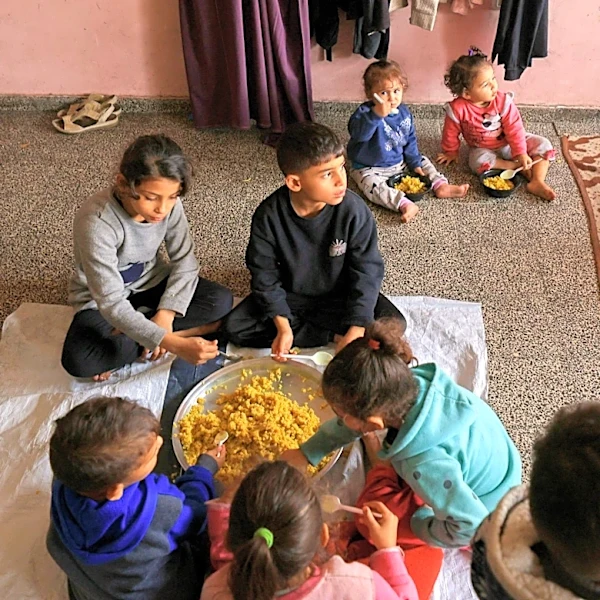
Beyond the immediate military actions and political negotiations, the Israel-Hamas conflict carries profound ethical and psychological dimensions. The differing narratives surrounding the conflict's origins—whether it began on October 7, 2023, or is a continuation of a much longer historical struggle—underscore the deep-seated trauma and collective memory on both sides. This divergence in understanding often fuels cycles of revenge and makes reconciliation exceedingly difficult. The ongoing blockade of Gaza and the repeated military operations have led to a severe humanitarian crisis, raising questions about international law, human rights, and the responsibilities of global powers. The conflict also highlights the challenges of governance in contested territories and the impact of non-state actors on regional stability. The long-term psychological effects on populations, particularly children, exposed to continuous violence and displacement, represent a silent crisis that will require extensive support and attention for generations. The international community's response, or lack thereof, to these deeper implications will shape future conflicts and the prospects for lasting peace in the region.