




What's Happening?
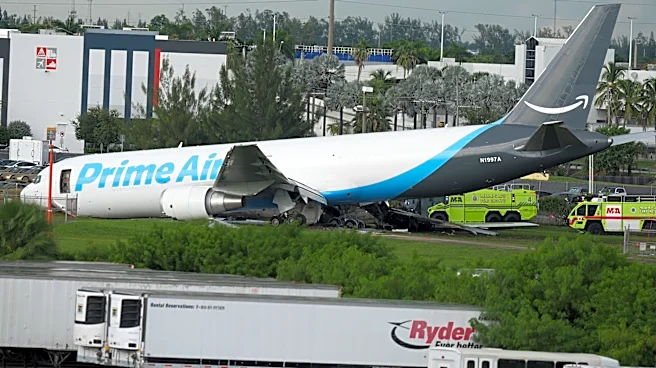
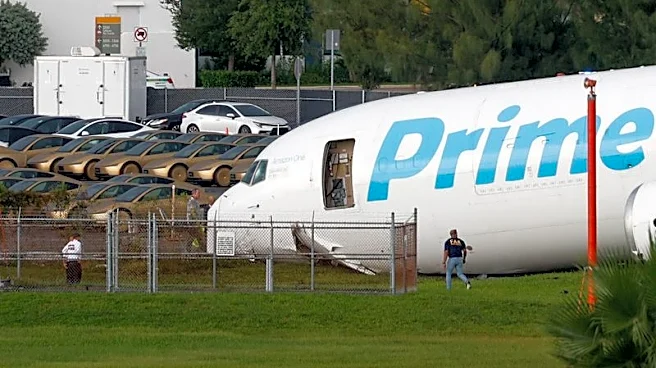
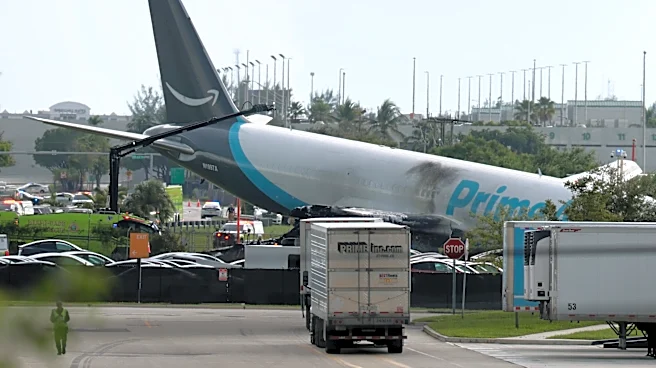
The widow of Yoel Rodriguez Naranjo, one of five individuals killed in a recent Amazon jet crash in Miami, has filed a wrongful death lawsuit. Yaraisi Santiso Morejon alleges negligence against Amazon and its aviation partners, citing pilot error, inadequate
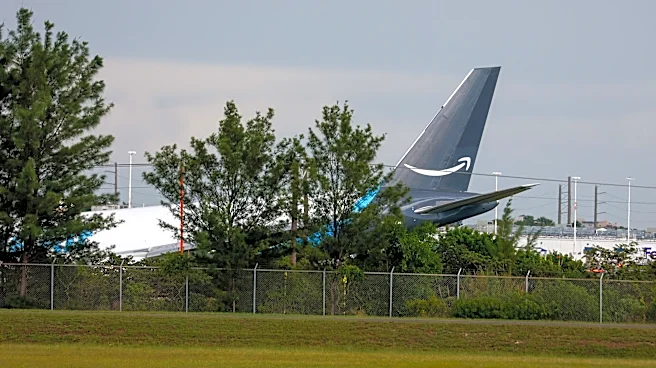
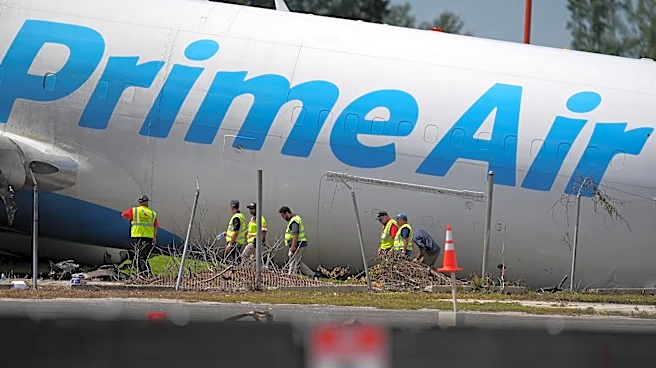
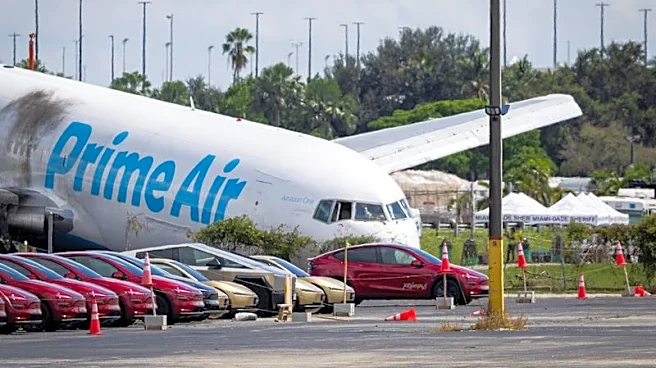
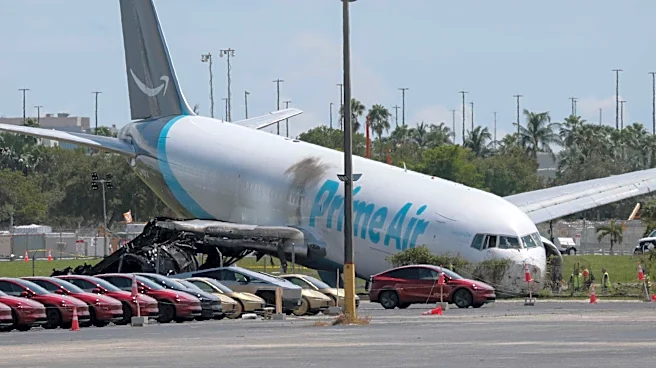
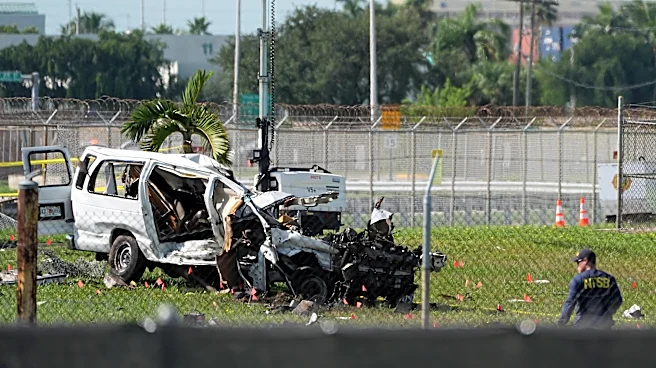
personnel training, and the use of an unairworthy aircraft. The complaint, reported by Courthouse News, claims the Boeing 767 overran a runway at Miami International Airport and collided with two vehicles before catching fire. Morejon also asserts that the flight occurred under hazardous conditions, specifically an active thunderstorm. The lawsuit names Captain Joseph Carroll and co-pilot Jaime Felipe Silva Molina, accusing them of landing significantly past the safe zone on the runway, at a speed exceeding recommendations, and failing to execute a proper nose-flare maneuver. It further alleges that the pilots did not perform a mandatory go-around or declare an emergency when the approach became unstable. The National Transportation Safety Board (NTSB) is currently investigating the incident to determine the official cause.
Why It's Important?
This lawsuit highlights critical safety concerns within the air cargo industry, particularly regarding the operations of major e-commerce companies like Amazon that rely on third-party carriers. The allegations of pilot error, insufficient training, and the use of an unairworthy aircraft, if proven, could lead to significant changes in how air cargo operations are regulated and overseen. For Amazon, a company that emphasizes rapid delivery, the legal action could prompt a reevaluation of its oversight of contracted air carriers and their adherence to safety protocols. The case also brings to light the potential for demanding flight schedules and pressure on crews to compromise safety, which could have broader implications for employee welfare and operational standards across the aviation sector. The outcome of this lawsuit could set precedents for accountability in complex contractual relationships within the logistics industry, impacting how companies manage risk and ensure safety when outsourcing critical operations.
What's Next?
The National Transportation Safety Board (NTSB) is continuing its investigation into the crash, with findings expected to shed more light on the contributing factors. The lawsuit will proceed through the legal system, with Amazon, flight operator 21 Air, and aircraft owner Atlas Air expected to respond to the allegations. The NTSB's ongoing analysis of recorded data, which has already indicated that key braking systems were not deployed during landing, will be crucial evidence in the legal proceedings. Depending on the findings, there could be calls for increased regulatory scrutiny of air cargo operations, potentially leading to new safety mandates or stricter enforcement of existing ones. The case may also prompt internal reviews by Amazon and its partners regarding their pilot training programs, aircraft maintenance protocols, and operational oversight. The legal battle is likely to be protracted, with potential for significant financial penalties and reputational damage for the involved parties.
Beyond the Headlines
Beyond the immediate legal and safety implications, this incident and subsequent lawsuit raise broader questions about the ethical responsibilities of large corporations that rely on extensive supply chains. The allegations of ignored safety complaints from former employees and pressure on crews to fly without proper rest suggest a potential systemic issue where operational efficiency might be prioritized over safety. This could lead to a re-examination of corporate governance and accountability in outsourced operations, particularly in high-risk industries like aviation. The case also underscores the challenges of maintaining rigorous safety standards across a network of independent contractors, highlighting the need for robust oversight mechanisms. The public's perception of air cargo safety, especially for companies integral to daily life like Amazon, could be significantly impacted, potentially influencing consumer trust and regulatory pressures for greater transparency and accountability in logistics operations.