
What's Happening?
Operation Frequent Wind was the final phase of the evacuation of U.S. military personnel from Vietnam, occurring on April 29-30, 1975. The operation involved the evacuation of personnel from the U.S. Embassy
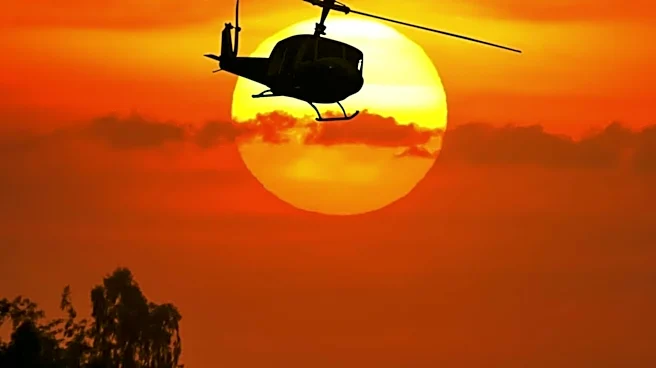
and the Defense Attaché’s Office in Saigon. The mission was marked by chaos and urgency, as thousands of South Vietnamese citizens and U.S. personnel awaited rescue. The operation required more helicopters than initially planned, with contributions from the Marine Corps, Air Force, Navy, and Air America. Despite challenges, including night-time evacuations and presidential directives, the operation successfully evacuated over 7,000 individuals.
Why It's Important?
Operation Frequent Wind represents a significant moment in U.S. military history, highlighting the complexities and challenges of military withdrawal from conflict zones. The operation underscores the logistical and humanitarian challenges faced during such evacuations, as well as the political pressures involved. The successful evacuation of thousands of individuals, despite the chaotic circumstances, demonstrates the resilience and adaptability of military operations. This event also serves as a historical lesson on the importance of planning and coordination in military and humanitarian efforts.
What's Next?
The legacy of Operation Frequent Wind continues to influence military evacuation strategies and policies. Lessons learned from the operation are likely to inform future military planning and international relations, particularly in conflict zones. The historical significance of the operation may also lead to further academic and public interest in the events surrounding the Vietnam War and its aftermath.