








What's Happening?
Brent oil prices have surged past $90 per barrel as tensions between the United States and Iran escalate in the Middle East. The increase in oil prices is attributed to the ongoing hostilities that have restricted oil shipments through the Strait of Hormuz,
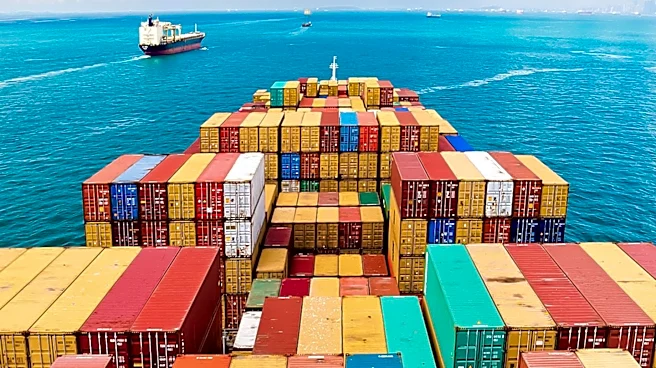
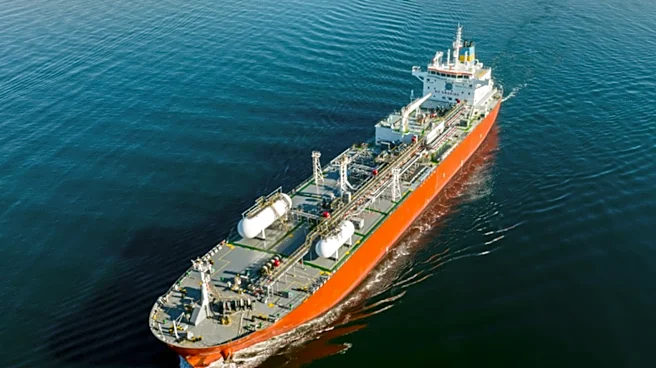
a critical passage for global oil trade. Brent crude futures rose by 2.37% to $90.19, marking the highest level since June 11, while U.S. West Texas Intermediate crude also saw a significant rise. The conflict has intensified with the U.S. conducting multiple nights of attacks against Iran, and reports of Iranian strikes on U.S. allies such as Kuwait and Bahrain. The situation has led to concerns over the security of oil shipments, with incidents of oil tankers being immobilized and reports of a vessel on fire near Oman.
Why It's Important?
The surge in oil prices due to the U.S.-Iran conflict has significant implications for global energy markets and economic stability. The Strait of Hormuz is a vital chokepoint for oil transportation, handling about one-fifth of the world's oil trade. Any disruption in this region can lead to increased oil prices globally, affecting industries reliant on oil and potentially leading to higher consumer prices. The escalation of hostilities could also impact geopolitical stability, with potential repercussions for international relations and security. The situation underscores the vulnerability of global oil supply chains to regional conflicts and the importance of diplomatic efforts to de-escalate tensions.
What's Next?
The ongoing conflict between the U.S. and Iran is likely to continue influencing oil markets in the coming days and weeks. Analysts suggest that the situation could lead to further disruptions in oil exports from the region, affecting global inventories that are already at their tightest levels in five years. The international community may need to engage in diplomatic efforts to prevent further escalation and ensure the security of oil shipments. Additionally, stakeholders in the energy sector will be closely monitoring developments to assess the impact on oil prices and supply chains.