








What's Happening?
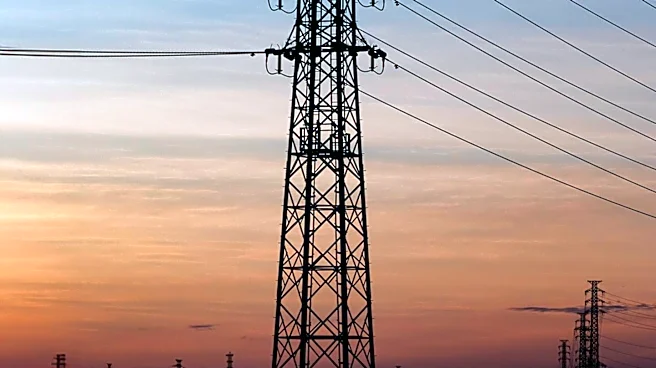
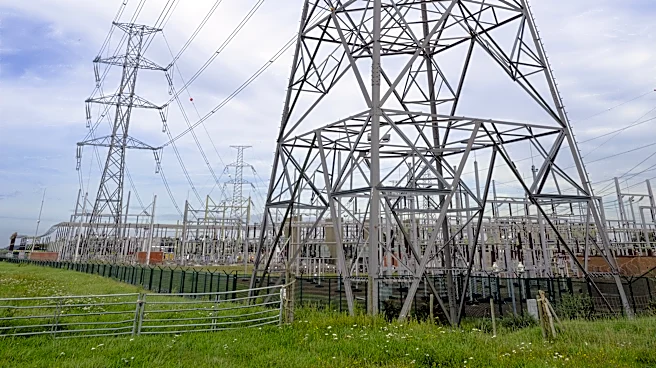
Power grid operators in the United States are warning that an impending heatwave could significantly strain the electric grid, which is already under pressure from increasing energy consumption. The heatwave is expected to intensify across central and
eastern parts of the country, with temperatures forecasted to exceed 100 degrees Fahrenheit. This surge in temperature coincides with the Fourth of July holiday, a period of high travel and energy use. The largest regional grid operator, PJM Interconnection, anticipates record summer electrical demand, surpassing previous peaks. The New York Independent System Operator and the Midcontinent Independent System Operator are also preparing for potential record demands. The growing energy needs are exacerbated by the rise of hyperscale data centers and electric vehicles, with AI technologies like ChatGPT contributing to increased energy consumption.
Why It's Important?
The heatwave and subsequent energy demand highlight the vulnerabilities in the U.S. power grid, particularly as new technologies increase consumption. The situation underscores the challenges of balancing energy supply with rapidly growing demand, especially as new power plants take longer and cost more to build. The reliance on energy-intensive data centers, particularly in northern Virginia, adds to the strain. This scenario could lead to increased energy costs for consumers and potential power outages, affecting millions of Americans. The event also raises concerns about the grid's resilience in the face of climate change and technological advancements.
What's Next?
Grid operators may need to implement demand response strategies to manage the load, potentially involving rolling blackouts or urging consumers to reduce usage during peak times. Policymakers and energy companies might accelerate investments in renewable energy and grid infrastructure to enhance capacity and resilience. The situation could prompt discussions on regulatory measures to ensure a stable energy supply amid growing technological demands.
Beyond the Headlines
The intersection of climate change and technological advancement presents a complex challenge for energy policy. The 'data heat island effect' around data centers, where local temperatures rise due to energy consumption, highlights environmental concerns. This development may drive innovation in energy-efficient technologies and sustainable practices within the tech industry.