



What's Happening?
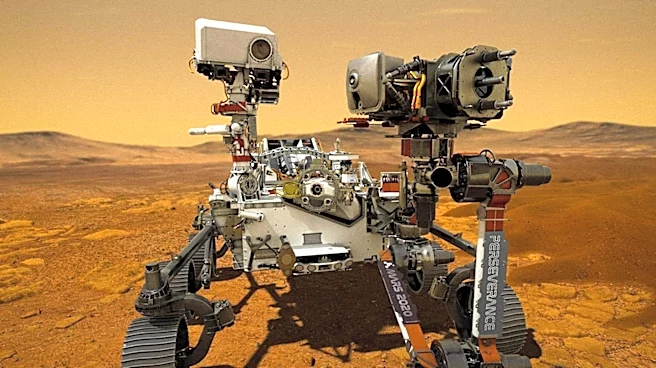
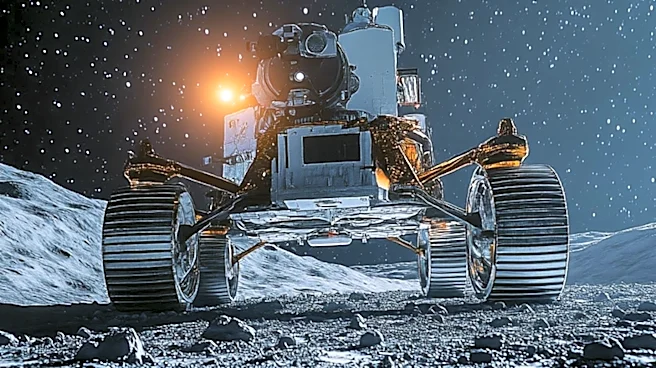
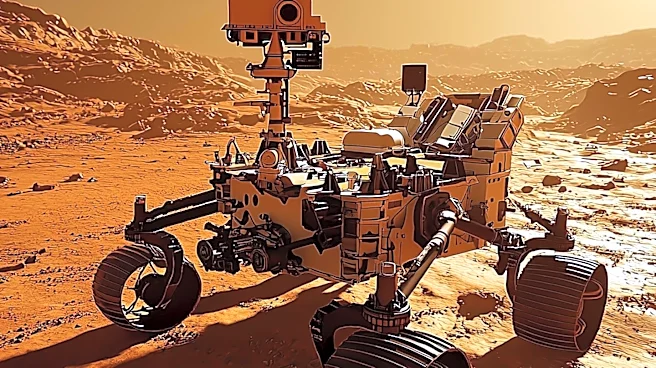
NASA is considering converting an engineering model of a Mars rover into a lunar rover, named PROMISE, for a mission to the moon. The rover would be based on the Curiosity and Perseverance models and is intended to support NASA's lunar base efforts. However,
an analysis by The Planetary Society estimates the cost of this conversion could exceed $1 billion, a figure NASA Administrator Jared Isaacman disputes. The analysis suggests that the mission would require significant resources and might not be ready until the early 2030s. The rover would need modifications, including a new power supply and communication systems, to be suitable for lunar exploration.
Why It's Important?
The potential high cost of the PROMISE mission raises questions about resource allocation within NASA and the prioritization of scientific missions. If pursued, the mission could divert funds from other established scientific priorities. The use of existing hardware, such as the spare RTG, could impact future planetary science missions. The debate over the mission's feasibility highlights the challenges of balancing innovation with budget constraints in space exploration. The outcome of this decision could influence NASA's approach to future missions and its ability to achieve its lunar exploration goals.
What's Next?
NASA will need to address the cost concerns and technical challenges associated with the PROMISE mission. The agency may need to explore alternative funding sources or partnerships to make the mission viable. The decision to proceed with PROMISE will likely involve further analysis and discussions with stakeholders. The outcome will impact NASA's lunar exploration timeline and its ability to leverage existing technology for new missions. The agency's approach to this mission could set a precedent for future projects involving the repurposing of existing hardware.