



What's Happening?
Fortescue, a major player in the iron-ore industry, is accelerating the development of a large-scale green energy grid in Pilbara, Australia. This initiative aims to create the world's first fully integrated renewable energy system for heavy industry, eliminating
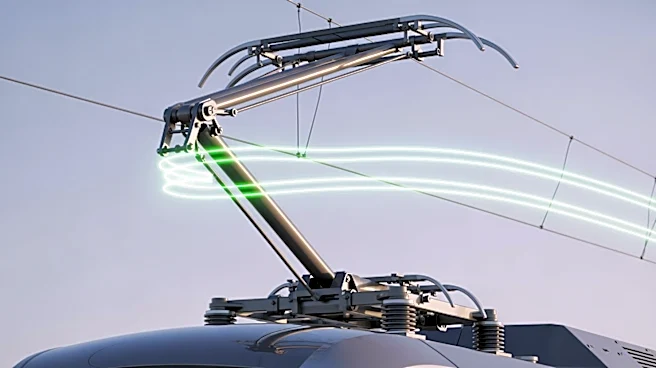
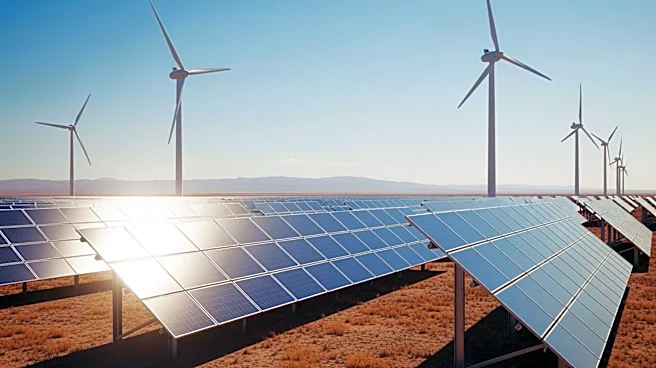
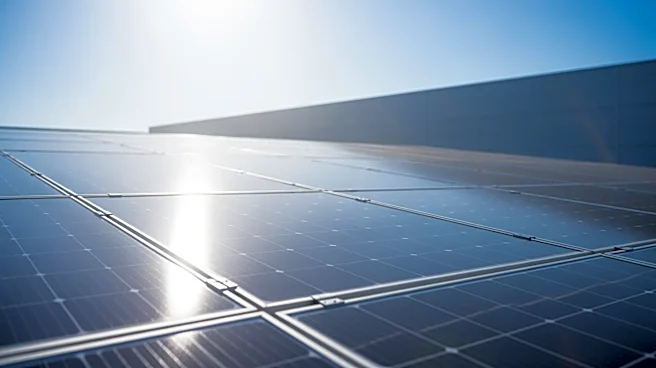
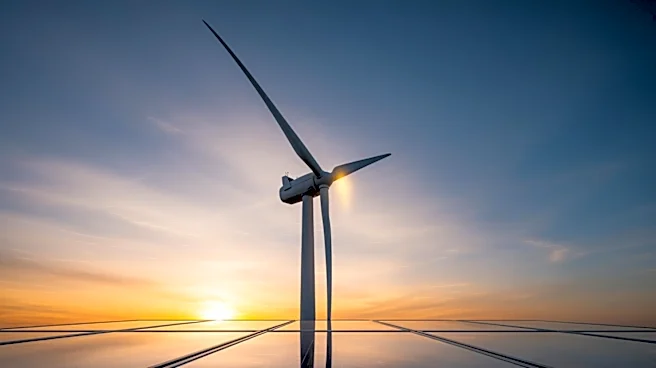
the use of fossil fuels in its operations. The project, which is already underway, will power mining, processing, rail, and port infrastructure entirely with green energy. By early 2027, Fortescue plans to have 290 MW of renewable capacity installed to support daytime operations, with a goal to operate continuously without fossil fuels by the end of that year. The full completion of the green grid is targeted for 2028, featuring 1.2 GW of solar capacity, over 600 MW of wind generation, and 4 to 5 GWh of battery storage. This system will operate independently of the national grid, providing round-the-clock power to support large-scale mining operations.
Why It's Important?
The development of Fortescue's green energy grid is significant as it represents a major shift towards sustainable energy in the heavy industry sector. By reducing reliance on fossil fuels, Fortescue aims to mitigate fuel price volatility and supply risks, potentially saving $100 million in fossil fuel costs by next year. This project not only demonstrates the viability of renewable energy as a cost-competitive alternative to fossil fuels but also sets a precedent for other industrial sectors to follow. The successful implementation of this grid could lead to broader adoption of similar technologies globally, contributing to global decarbonization efforts and reducing the environmental impact of industrial operations.
What's Next?
Fortescue plans to commercialize and replicate the green grid model globally, offering the technology through licensing or as a service to other industrial users. The company is focusing on proprietary technologies, including AI-driven optimization and battery integration, which could be deployed more rapidly and at lower costs in future projects. As the project progresses, it will be crucial to monitor its impact on operational costs and environmental benefits, as well as its influence on the global mining industry's approach to sustainability.