





What's Happening?
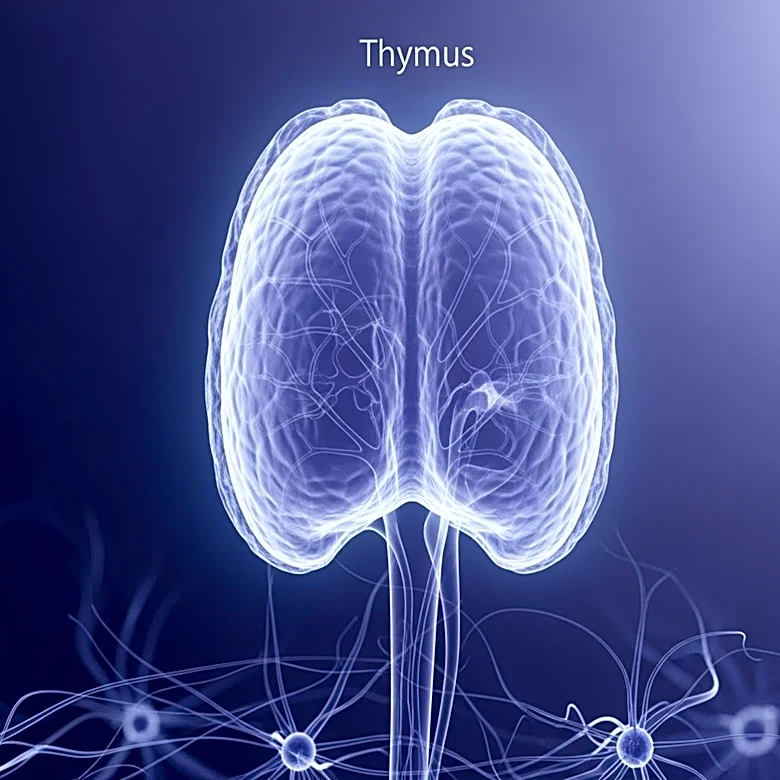
Recent studies have highlighted the thymus gland's significant role in immune system function and its potential impact on longevity and cancer prevention. Historically considered a vestigial organ, the thymus is now recognized for its role in educating
T cells, crucial for immune tolerance. Research led by Hugo Aerts at Mass General Brigham found that individuals with healthier thymuses had lower risks of cancer and cardiovascular diseases. The findings suggest that the thymus may influence overall health outcomes, prompting interest in rejuvenating the gland to enhance immune function and improve responses to treatments like cancer immunotherapy.
Why It's Important?
The newfound understanding of the thymus gland's role in health could revolutionize approaches to aging, cancer treatment, and autoimmune diseases. By potentially slowing the gland's deterioration, researchers aim to improve immune responses and reduce disease risks. This research could lead to new therapies that enhance longevity and quality of life, impacting public health strategies and medical practices. The study also raises questions about the thymus's broader implications for health, encouraging further exploration into its functions and potential therapeutic applications.