





What's Happening?
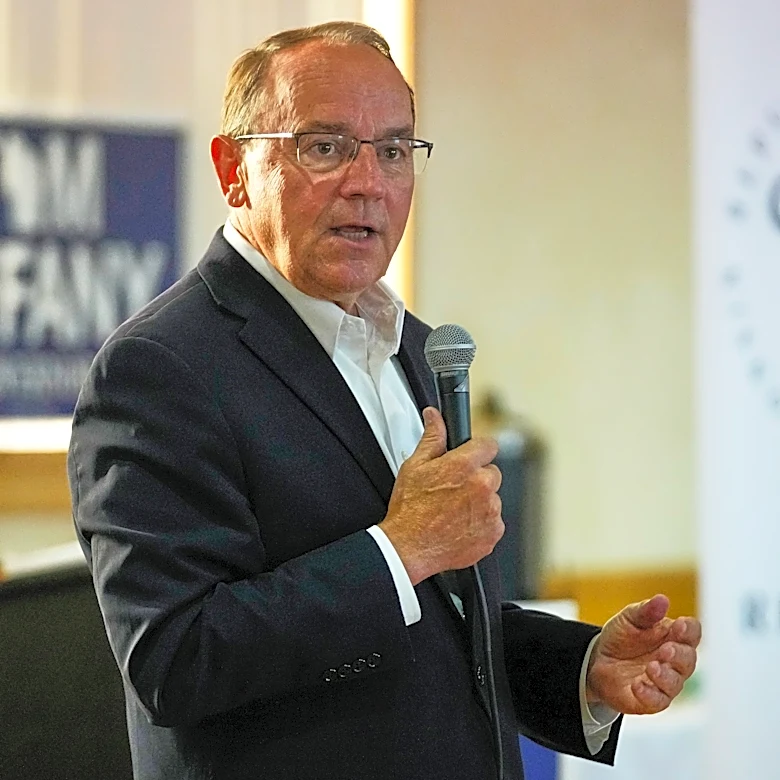
Representative Gilbert Ray Cisneros, Jr. has engaged in stock trading involving MercadoLibre (MELI) within the last six months. His disclosed activities include one purchase of MELI stock worth up to $50,000 on June 10 and one sale worth up to $15,000
on May 14. These trades occurred during a period when MercadoLibre experienced significant financial developments, including a recent $1.0 billion debt offering of 5.850% senior unsecured notes due 2036, disclosed on September 9, 2026. The company's second-quarter 2026 financial report showed net revenues and financial income increasing by 49.8% year-over-year to $10.169 billion, but also noted a decrease in income from operations to $683 million from $825 million a year prior, indicating margin pressure. Additionally, MercadoLibre's loans receivable rose to $11.412 billion as of June 30, 2026. These financial details provide context to the market environment in which Congressman Cisneros's trades took place.
Why It's Important?
The stock trading activities of members of Congress, such as Congressman Cisneros's transactions in MercadoLibre, are significant for several reasons. They highlight the financial interests of elected officials and the potential for their personal investments to intersect with their public duties. While these trades are legally disclosed under the STOCK Act, they contribute to ongoing public discourse about transparency and potential conflicts of interest in government. MercadoLibre, as a major e-commerce and financial technology company, operates in a sector that can be influenced by legislative and regulatory decisions. The timing of these trades, amidst the company's debt offering and fluctuating profitability, underscores the dynamic nature of the market and the investment decisions made by lawmakers. Public scrutiny of such trades aims to ensure that legislative actions are perceived as being in the public's best interest, rather than influenced by personal financial gains.
What's Next?
The financial disclosures of Congressman Cisneros's MercadoLibre trades will continue to be part of the public record, subject to ongoing review by ethics watchdogs and the media. As long as current regulations permit individual stock trading by members of Congress, similar transactions will likely occur and be reported. The broader debate regarding the ethics of congressional stock trading may intensify, potentially leading to renewed calls for stricter regulations or a ban on such activities. Any future legislative actions or policy discussions related to e-commerce, financial technology, or international trade could bring these past financial interests into sharper focus. The transparency provided by these disclosures is crucial for maintaining public trust and accountability in the U.S. political system.
Beyond the Headlines
The trading of MercadoLibre stock by Congressman Cisneros, set against the backdrop of the company's complex financial landscape, illuminates the intricate relationship between personal investment and public office. MercadoLibre's operations, particularly its significant loans receivable and its role in e-commerce and fintech, place it within industries that are often subject to governmental regulation and policy shifts. The ethical implications extend beyond mere legality, touching upon the perception of whether lawmakers might benefit from information or influence derived from their positions. This scenario contributes to the broader societal conversation about the financial conduct of elected officials and the need for robust ethical frameworks to prevent even the appearance of impropriety. It underscores the challenge of balancing individual financial freedom with the imperative of maintaining unwavering public trust in government institutions.