











What's Happening?
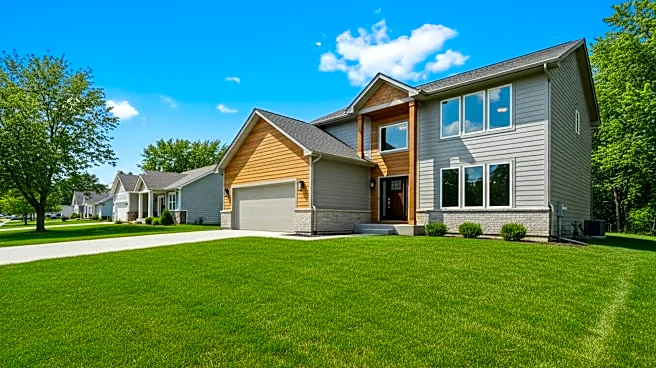
Realtor.com has released data identifying 11 U.S. states where homebuyers earning the median income can afford a typical home without spending more than 30% of their income. This list predominantly features Midwestern states, including Minnesota, Maryland,
Missouri, West Virginia, Pennsylvania, Michigan, Indiana, Kansas, Ohio, Illinois, and Iowa. Iowa is noted as the most affordable, requiring only 25.4% of median household income for a typical home. The analysis highlights that these states benefit from stronger labor markets and higher incomes relative to home values. Notably, no Southern states, often associated with lower living costs, made the list. The report underscores ongoing challenges in housing affordability across the U.S., driven by high mortgage rates, elevated home prices, and economic pressures such as inflation.
Why It's Important?
The identification of these states is significant as it highlights regions where housing remains accessible despite national affordability challenges. This information is crucial for potential homebuyers seeking affordable living options and for policymakers aiming to address housing affordability. The absence of Southern states from the list challenges perceptions of the region's cost of living and suggests a need for targeted economic and housing policies. The findings also emphasize the role of strong labor markets in maintaining housing affordability, which could influence future economic and urban planning strategies.
What's Next?
As housing affordability continues to be a pressing issue, stakeholders including policymakers, real estate developers, and financial institutions may need to explore strategies to improve affordability in less accessible regions. This could involve initiatives to boost local economies, increase housing supply, or provide financial assistance to homebuyers. Additionally, the data may prompt further analysis of regional economic conditions and their impact on housing markets, potentially influencing future housing policies and investment decisions.