




What's Happening?
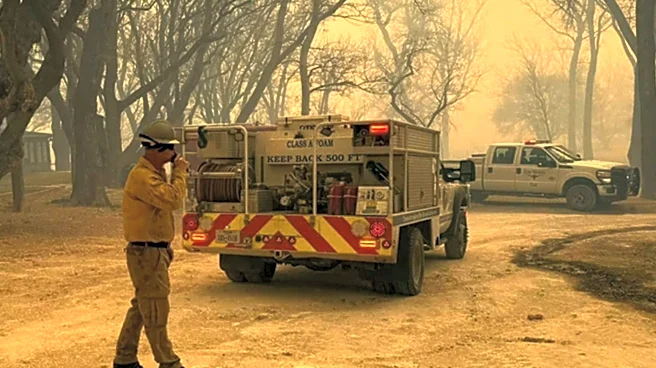
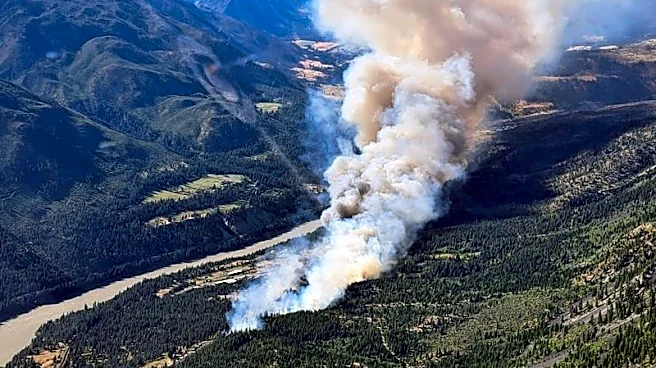
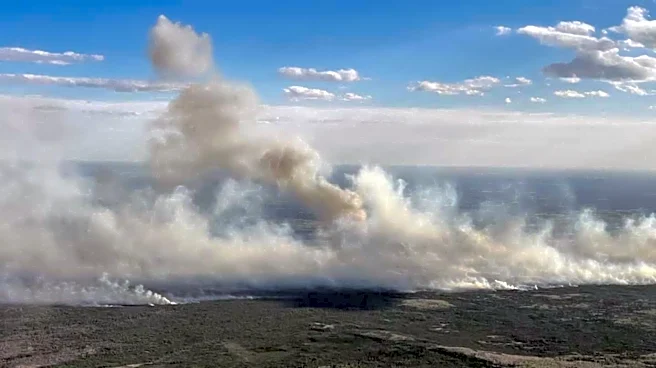
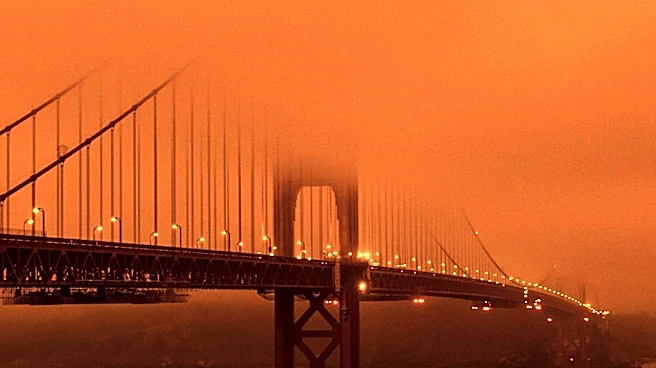
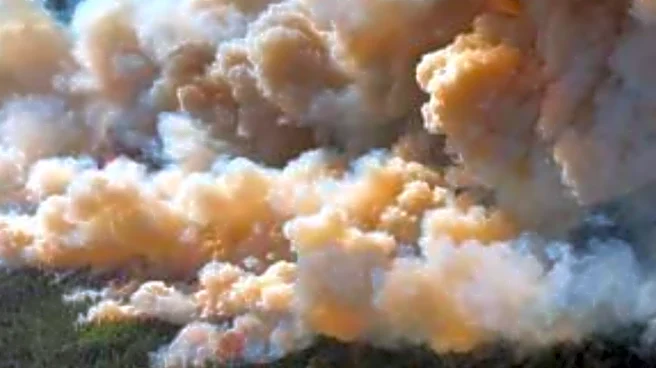
Heavy smoke from wildfires in Canada has led to evacuations in parts of the U.S. Midwest and Northeast. In Minnesota, thousands of visitors were evacuated from the Boundary Waters Canoe Area Wilderness due to spreading fires and hazardous smoke conditions.
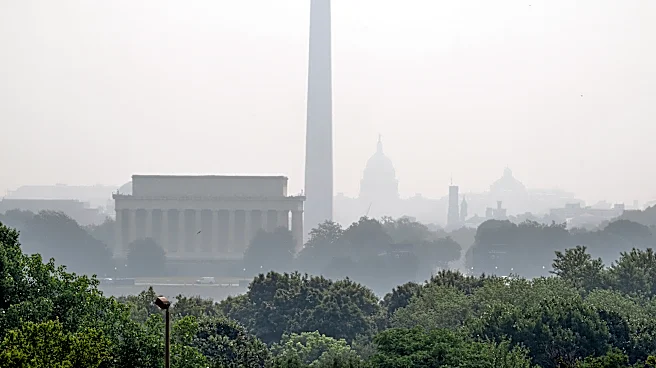
The smoke has resulted in unhealthy air quality levels across several states, including Minnesota, New York, and parts of Canada. The National Weather Service has advised residents to stay indoors to avoid the smoke and extreme heat. The situation is compounded by unusually high summer temperatures, which are expected to persist.
Why It's Important?
The widespread impact of the wildfires and resulting smoke highlights the growing challenges posed by climate change and extreme weather events. The health risks associated with poor air quality are significant, particularly for vulnerable populations. The economic impact is also considerable, as tourism and outdoor activities are disrupted. This situation underscores the need for comprehensive climate policies and emergency preparedness plans to mitigate the effects of such events and protect public health and safety.
What's Next?
Authorities will likely continue to monitor the situation and issue air quality advisories as needed. There may be increased efforts to manage and contain the wildfires, as well as to support affected communities. Long-term strategies could include enhancing wildfire prevention and response capabilities and implementing policies to address the root causes of climate change. Public awareness campaigns may also be necessary to educate communities about the risks and protective measures related to wildfire smoke.