




What's Happening?
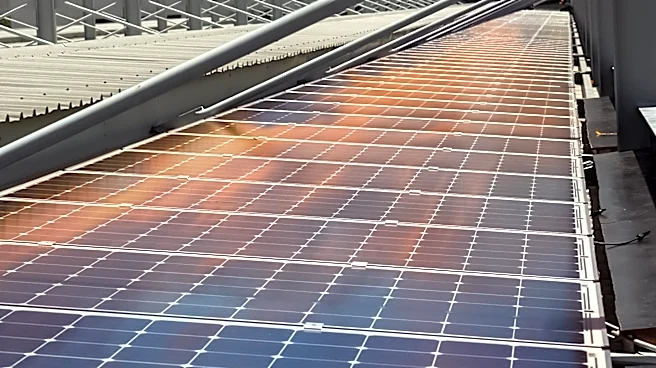
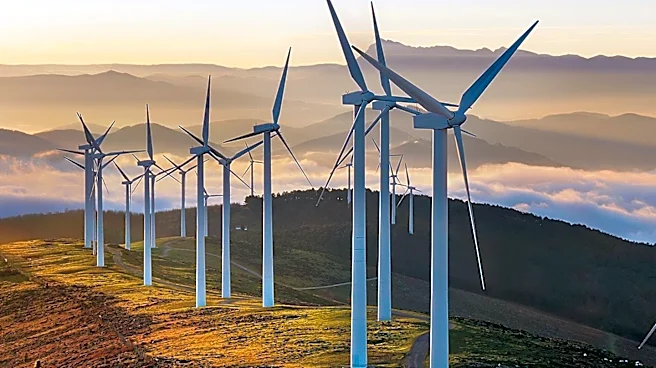
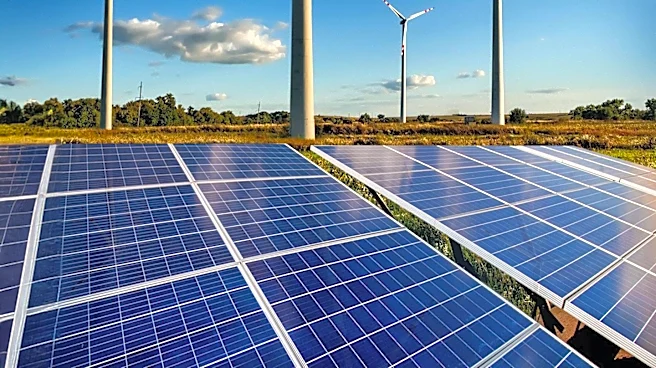
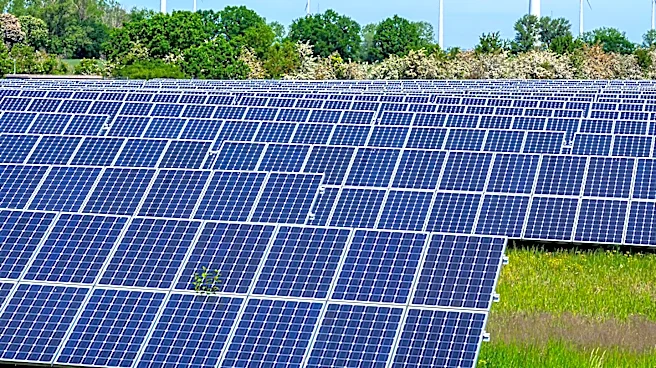
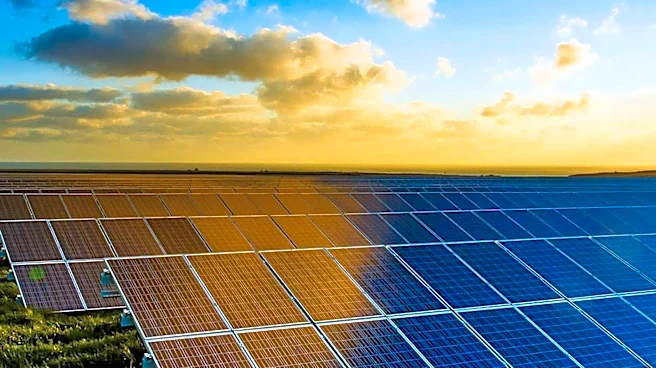
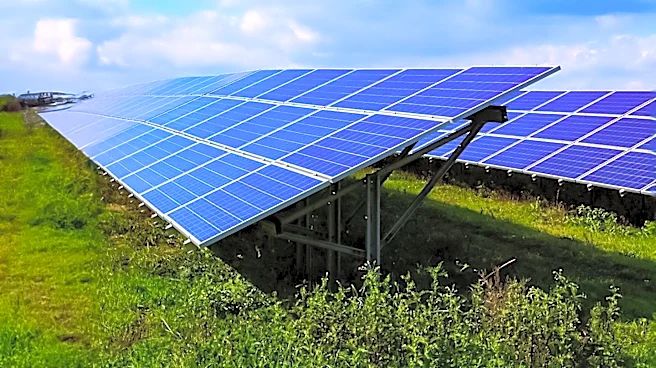
The U.S. renewable energy sector has experienced significant growth, reaching a record production level of 9.18 quadrillion Btu in 2025, nearly five times the amount produced in 1950. This growth has been driven by substantial increases in wind, solar,
and biofuels, which have expanded by over 1,700% since 2000. These sources now account for 63% of the country's renewable energy production. Despite this progress, renewables still only supply 8.6% of the total U.S. primary energy production. Historically, wood was the primary source of renewable energy in 1950, but the energy mix has since evolved with the rise of biofuels, wind, and solar energy.
Why It's Important?
The expansion of renewable energy in the U.S. is crucial for reducing reliance on fossil fuels and addressing climate change. The growth in renewable energy production reflects a shift towards more sustainable energy sources, which is essential for meeting environmental goals and reducing carbon emissions. This transition also has economic implications, as it can lead to job creation in the renewable energy sector and reduce energy costs over time. However, the relatively small share of renewables in the overall energy mix highlights the challenges that remain in scaling up these technologies to meet national energy demands.
What's Next?
As the demand for electricity continues to grow, driven by factors such as electrification and the construction of AI data centers, the U.S. will need to further accelerate the deployment of renewable energy sources. This will likely involve increased investment in infrastructure and technology to enhance the capacity and efficiency of wind and solar power. Policymakers and industry leaders will need to collaborate to overcome regulatory and financial barriers to ensure that renewable energy can meet a larger share of the country's energy needs.