

What's Happening?
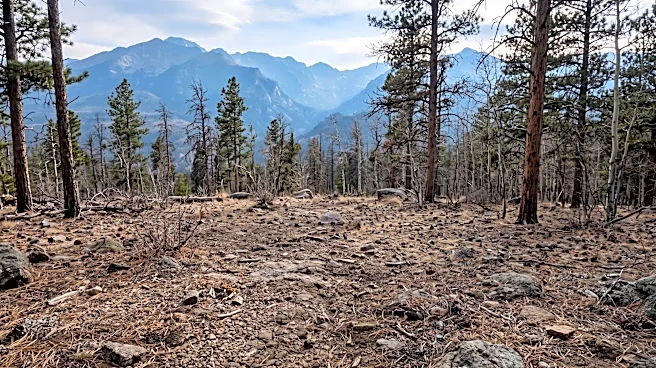
A climber tragically died on Sunday after falling from the north face of Castle Peak, located south of Aspen, Colorado. Officials in Gunnison County received a distress call shortly after noon regarding the fallen climber on the 14,265-foot mountain,
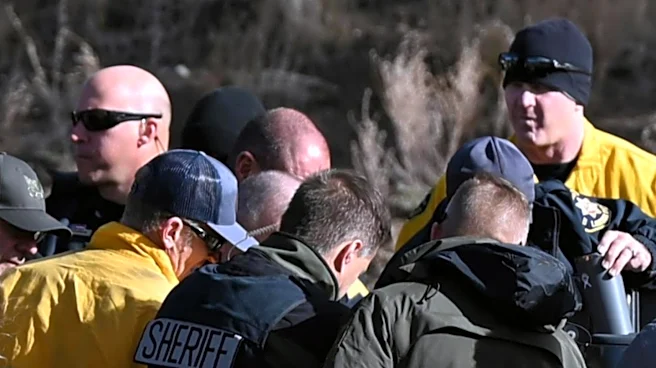
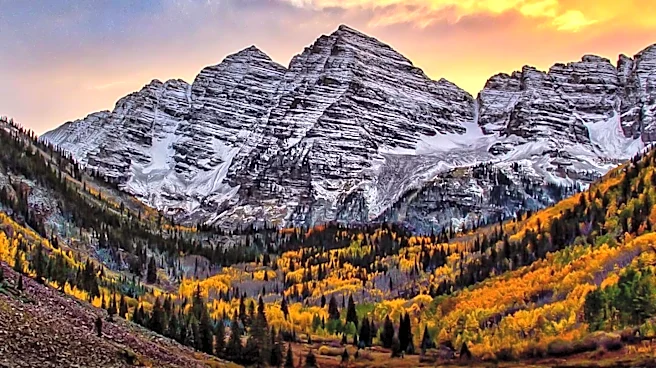
which straddles the border of Gunnison and Pitkin counties. A Mountain Rescue Aspen search team was dispatched, and a Flight for Life helicopter located the individual. The helicopter then transported the rescue team to the site at 4 p.m., where it was confirmed that the climber had sustained non-survivable injuries. The body was subsequently recovered from the mountain using a technical lowering system. The identity of the climber has not yet been released. This incident follows another recent climbing fatality last week on the nearby Maroon Bells.
Why It's Important?
This incident underscores the inherent dangers and risks associated with high-altitude mountaineering and technical climbing in the U.S., particularly in challenging terrains like the Elk Mountains. The death of a climber on Castle Peak highlights the critical importance of safety protocols, proper equipment, and experienced judgment for individuals engaging in such activities. For search and rescue organizations like Mountain Rescue Aspen, it emphasizes the continuous demand for highly trained personnel and specialized resources to conduct complex recovery operations in remote and hazardous environments. The repeated fatalities in the region, including a recent death on Maroon Bells, may prompt discussions among climbing communities and local authorities regarding increased safety awareness campaigns, route assessments, or even temporary restrictions during periods of heightened risk, impacting the broader outdoor recreation industry and local tourism.
What's Next?
Authorities are expected to release the identity of the deceased climber once next of kin have been notified. Investigations into the exact circumstances of the fall will likely be conducted by local officials to understand any contributing factors. The climbing community in Colorado and beyond may engage in discussions about mountain safety, risk assessment, and best practices for tackling challenging peaks like Castle Peak. Search and rescue organizations will continue to train and prepare for similar incidents, potentially reviewing their response protocols. Given the recent fatalities in the area, there might be increased public awareness campaigns about the dangers of high-altitude climbing and the importance of preparedness, potentially influencing how climbers approach these mountains in the future.
Beyond the Headlines
The tragic death on Castle Peak extends beyond a mere accident, touching upon the broader cultural and psychological aspects of extreme sports and human interaction with nature. It highlights the fine line between adventure and peril, and the profound respect required when engaging with formidable natural environments. Such incidents often spark introspection within the climbing community about the pursuit of challenging feats, the role of individual responsibility, and the collective responsibility to ensure safety. Ethically, it raises questions about the balance between personal freedom to undertake risky activities and the burden placed on volunteer search and rescue teams. Environmentally, it subtly reminds us of the raw, untamed power of mountains, which, despite their allure, demand utmost caution and humility, shaping the narrative around outdoor recreation and conservation efforts.