




What's Happening?
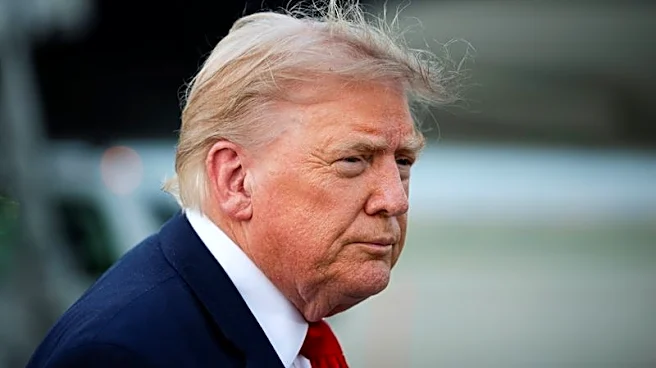
President Donald J. Trump has signed an Executive Order aimed at securing America's defense supply chains. This order focuses on ensuring the domestic acquisition of critical materials necessary for manufacturing cutting-edge military equipment. The order limits
the circumstances under which the Secretary of Defense can issue waivers for critical materials from certain nations, requiring mitigation plans to onshore supply chains. It also directs the Department of War to initiate regulatory actions for comprehensive supply chain mapping. The order encourages defense contractors to qualify new domestic sources for critical materials, removing regulatory barriers in the process. This move is part of a broader strategy to maintain U.S. military dominance by securing reliable supplies of critical materials.
Why It's Important?
The Executive Order is significant as it addresses the vulnerabilities in the U.S. defense supply chains, which are crucial for maintaining military superiority. By focusing on domestic acquisition, the order aims to reduce dependency on foreign sources, particularly from geopolitical adversaries. This initiative is expected to bolster national security by ensuring that the U.S. military remains the most effective and well-equipped force globally. The order also has economic implications, as it encourages domestic production and could lead to job creation in the defense sector. The emphasis on onshoring supply chains aligns with broader efforts to strengthen the U.S. industrial base and reduce economic subversion risks.
What's Next?
Following the Executive Order, the Department of War will begin regulatory actions to map critical supply chains. Defense contractors are expected to start qualifying new domestic sources for critical materials. The Secretary of Defense will monitor compliance with the order, and companies failing to meet commitments may lose tariff benefits. This initiative may prompt reactions from defense contractors and international suppliers, potentially leading to shifts in global supply chain dynamics. The order could also influence future policy decisions regarding national security and economic strategies.