





What's Happening?
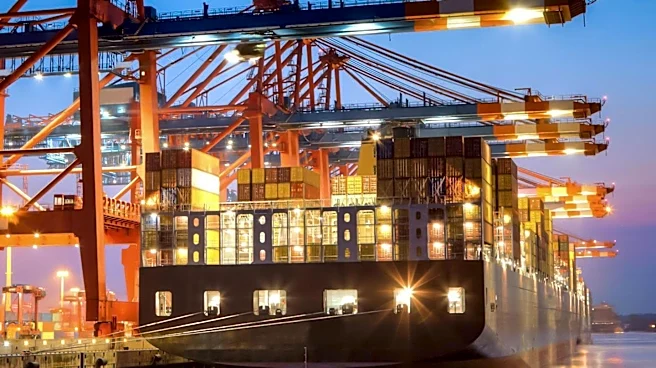
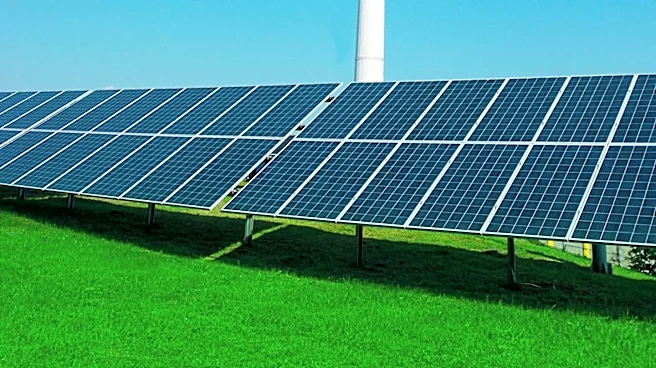
The International Energy Agency (IEA) reports that trade barriers and surplus capacity are reshaping the global energy technology manufacturing landscape. The market for key energy technologies, such as solar PV, wind, and batteries, reached record levels
in 2025, despite trade restrictions. The global market value of these technologies is projected to reach USD 1.9 trillion by 2035. However, increased tariffs and local-content provisions are affecting trade patterns. Investment in manufacturing is cooling, with China continuing to dominate global investment. The report emphasizes the need for effective trade and industrial policies to balance domestic manufacturing with international trade.
Why It's Important?
The findings highlight the complex interplay between trade policies and the growth of the clean energy sector. As countries strive to reduce reliance on fossil fuels, the ability to manufacture and trade energy technologies becomes crucial. Trade barriers can hinder the global deployment of clean energy solutions, affecting efforts to combat climate change. The report underscores the importance of strategic industrial policies that support domestic manufacturing while maintaining open trade channels. This balance is essential for ensuring the affordability and availability of clean energy technologies worldwide.
What's Next?
Governments will need to navigate the challenges of trade barriers and surplus capacity to support the growth of the clean energy sector. This may involve revising trade policies to encourage international collaboration and investment in domestic manufacturing capabilities. The IEA's insights could inform policy decisions aimed at enhancing supply chain resilience and economic security. As the demand for clean energy technologies continues to rise, countries will need to prioritize strategic investments and partnerships to remain competitive in the global market.