





What's Happening?
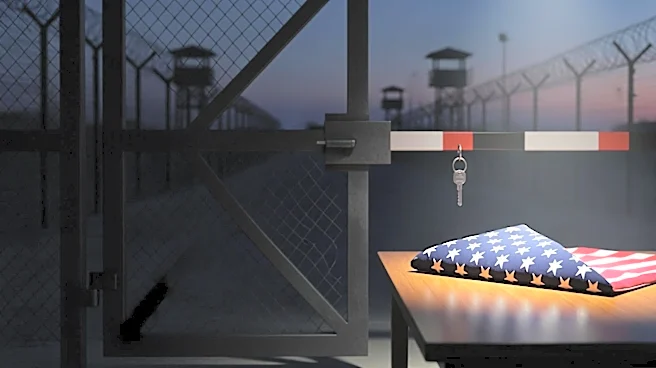
Human rights organizations are criticizing the Trump administration's plan to establish a migrant camp at the Guantánamo Bay military base for Cubans fleeing potential humanitarian crises. The plan, announced by a Department of Defense commander, involves
setting up a camp to manage migrants if Cuba's situation worsens. The proposal has drawn backlash from 85 human rights groups, who argue that Guantánamo is notorious for inhumane conditions and due process violations. The groups have sent a letter to U.S. lawmakers urging them to prevent the use of Guantánamo for migrant detention and to address the root causes of migration, such as the U.S. embargo on Cuba.
Why It's Important?
The plan to use Guantánamo for migrant detention raises significant human rights concerns and highlights the ongoing tensions between the U.S. and Cuba. The use of Guantánamo, a site with a controversial history, for migrant detention could exacerbate criticisms of U.S. immigration policies and strain international relations. The proposal also underscores the broader challenges of managing migration and addressing humanitarian crises in the region. The response from human rights groups reflects a growing demand for more humane and effective immigration policies that prioritize human rights and address the underlying causes of migration.
What's Next?
The future of the Guantánamo migrant camp proposal will likely depend on political and public pressure. Human rights organizations are calling for legislative action to prevent the use of Guantánamo for migrant detention and to end policies that contribute to the humanitarian crisis in Cuba. The U.S. government may face increased scrutiny and calls for policy changes from both domestic and international stakeholders. Additionally, the situation in Cuba remains volatile, and any escalation could impact U.S. immigration policies and the treatment of Cuban migrants.
Beyond the Headlines
The debate over the Guantánamo migrant camp proposal highlights broader issues of immigration policy and human rights. The use of military facilities for migrant detention raises ethical and legal questions about the treatment of migrants and the role of the military in immigration enforcement. The situation also reflects the complex interplay between U.S. foreign policy, economic sanctions, and migration patterns. Addressing these challenges will require a comprehensive approach that considers the humanitarian, legal, and geopolitical dimensions of migration and U.S.-Cuba relations.