




What's Happening?
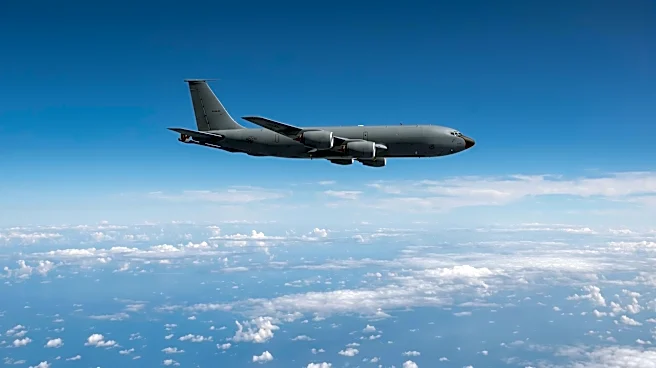
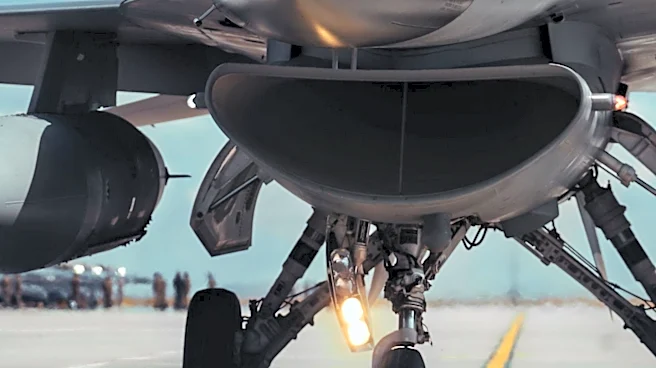
Gen. Dan Caine, Chairman of the Joint Chiefs of Staff, shared his personal recollections of September 11, 2001, during an event at the George W. Bush Presidential Center. On that day, Caine was an Air Force F-16 pilot stationed at Andrews Air Force Base.
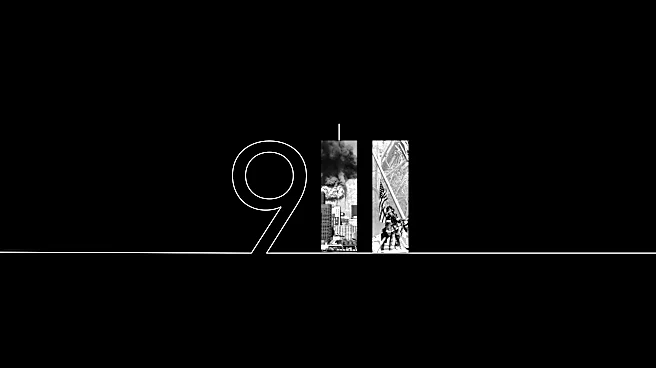
He recounted learning about the first plane hitting the World Trade Center, initially thinking it was an accident, but then realizing the U.S. was under attack after seeing the second plane strike. Caine described the intense moments as he prepared for takeoff, including receiving rules of engagement that placed the decision to ram or shoot an airliner on the pilots. He highlighted a pivotal leadership moment when General Wherley expressed trust in him despite the difficult decisions ahead. Caine also discussed the impact of the 9/11 attacks on young Americans, noting how many were inspired to enlist and serve their country, understanding they were signing up for combat. The event, titled 'A Legacy of Service: America at the 25th Anniversary of 9/11,' also featured former President George W. Bush and former Secretary of State Condoleezza Rice.
Why It's Important?
Gen. Caine's firsthand account provides a critical perspective on a defining moment in U.S. history, underscoring the immediate and profound impact of the 9/11 attacks on military personnel and national defense. His narrative illustrates the rapid shift in operational readiness and the immense pressure faced by those tasked with protecting the nation. The discussion about young Americans enlisting post-9/11 highlights a significant societal response, demonstrating a surge in patriotism and a commitment to service that shaped the U.S. military for decades. This reflection is crucial for understanding the motivations behind military service in the post-9/11 era and the enduring legacy of the attacks on national identity and defense policy. It also serves as a reminder of the personal sacrifices and difficult decisions made by military leaders and service members during times of crisis, influencing public perception and support for the armed forces.
What's Next?
As the U.S. approaches the 25th anniversary of 9/11, discussions like these are likely to continue, focusing on remembrance, the evolution of national security, and the importance of civic duty. Gen. Caine's emphasis on service may inspire ongoing efforts to encourage young Americans to consider military or public service roles. The event at the Bush Center, being former President Bush's only public remarks on the anniversary this year, suggests a continued focus on historical reflection and the lessons learned from the attacks. Future commemorations will likely aim to educate younger generations who did not experience 9/11 directly, ensuring that the historical context and the spirit of service and resilience are not forgotten. This ongoing dialogue will shape how the U.S. remembers and interprets the events of 9/11 and their long-term consequences for national policy and societal values.
Beyond the Headlines
Gen. Caine's reflections delve into the ethical and psychological dimensions of military service during a national crisis. The burden placed on pilots to potentially make life-or-death decisions regarding civilian aircraft highlights the extreme moral complexities faced by service members. His account also touches upon the broader cultural shift in the U.S. following 9/11, where a generation was galvanized by a call to service, fundamentally altering the demographic and motivational landscape of the military. This event underscores the importance of leadership in moments of uncertainty, as exemplified by General Wherley's trust in Caine. The ongoing effort to educate younger generations about 9/11 speaks to the challenge of maintaining historical memory and its lessons in a rapidly changing world, ensuring that the sacrifices and transformations of that era continue to inform national consciousness and policy.