






What's Happening?
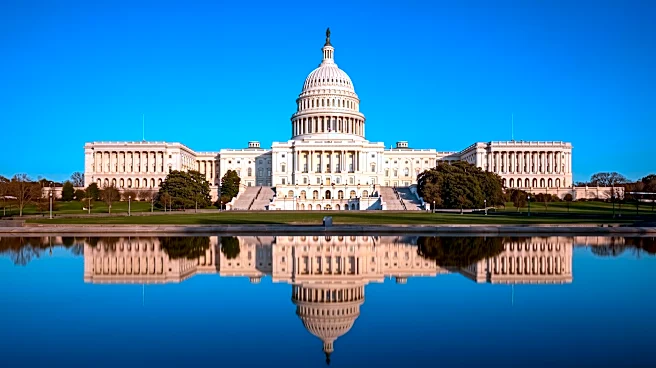
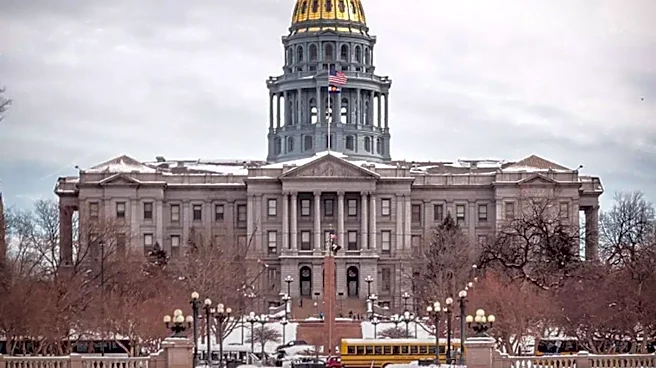
The state Senate race in Pueblo, Colorado's last 'purple' district, is drawing significant attention as its outcome could determine the balance of power at the state Capitol. This district, Senate District 3, is considered an enigma, having voted for
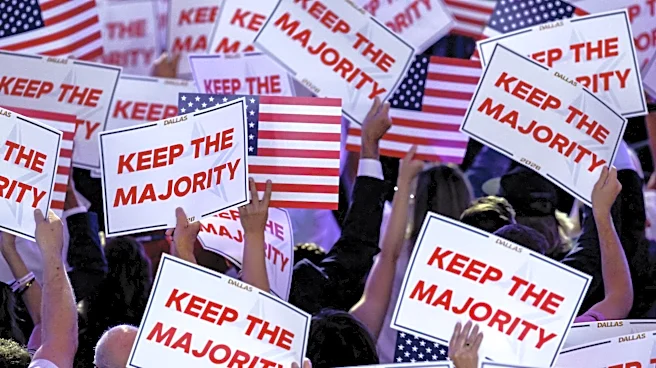
President Trump while also sending Democrats to the state Capitol. The race features Republican Dana Charles, a healthcare administrator, and Democrat Aaron Gutierrez, a criminal defense attorney, both fourth-generation Pueblans. Unaffiliated voters dominate the district, with Democrats holding a slight edge over Republicans in registered voters. Independent expenditure committees are expected to spend heavily in the district, with one group, Pueblo People for Change, already backing Democrats. Republicans are also focusing on SD3 to prevent Democrats from gaining a supermajority in the state Senate. The district is grappling with issues such as recovery from the Aspen Acres fire, energy and jobs, and the rural-urban divide.
Why It's Important?
The Pueblo Senate District 3 race is crucial because a Democratic victory could lead to a supermajority in the state House, potentially enabling significant legislative changes, such as an overhaul of the Taxpayer's Bill of Rights (TABOR). TABOR has been a contentious issue, with Democrats arguing it hinders funding for state priorities and Republicans asserting it controls government spending. The district's unique political identity, blending union strongholds with support for President Trump, makes it a bellwether for broader political trends in Colorado. The outcome will not only shape the legislative agenda for the next session but also reflect the evolving political landscape of a state that has trended bluer. The candidates' focus on local issues like post-fire recovery, job creation, and energy policy underscores the direct impact of state-level politics on community well-being.
What's Next?
As the election approaches, both major parties and independent expenditure committees will intensify their efforts and spending in Senate District 3. The candidates, Charles and Gutierrez, will continue to campaign on local issues, emphasizing their commitment to Pueblo's interests over party lines. The recovery from the Aspen Acres fire will remain a critical concern, with candidates expected to propose solutions for rebuilding, insurance accountability, and housing shortages. The future of energy jobs, particularly with the planned closure of the Comanche coal-powered electrical plants, will also be a central theme. The results of this race will be closely watched to gauge the political leanings of swing voters and the effectiveness of campaign strategies in a diverse district. The balance of power in the state Capitol hinges on this contest, with potential ramifications for major policy debates in Colorado.
Beyond the Headlines
The political dynamics in Pueblo's Senate District 3 offer a microcosm of the broader challenges facing American democracy, particularly the increasing polarization and the search for common ground. The district's 'purple' nature, where voters defy easy categorization, highlights the complexity of voter motivations beyond simple partisan labels. The emphasis on local issues like disaster recovery, economic development, and energy transition underscores that while national politics often dominate headlines, state and local elections directly impact citizens' daily lives. The candidates' pledges to prioritize Pueblo over party reflect a growing desire among voters for pragmatic, results-oriented representation. This race also brings to light the influence of external factors, such as natural disasters and economic shifts, on electoral outcomes. The long-term implications could include a re-evaluation of how political parties engage with diverse communities and the potential for more localized, issue-driven campaigns to gain traction.