






What's Happening?
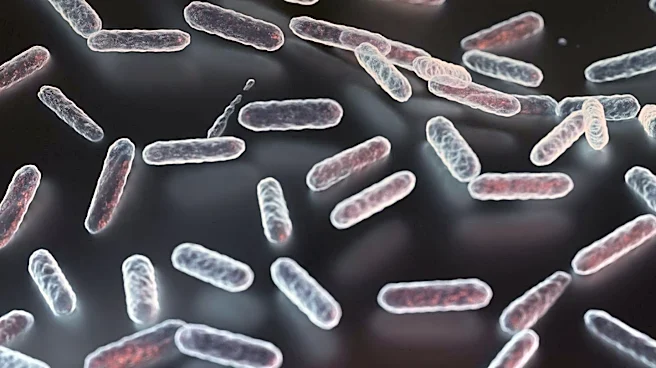
Scientists at the University of Reading have identified a low-power blue light technique, known as violet-blue photodynamic inactivation (VB-PDI), that could substantially decrease food poisoning caused by Campylobacter in raw chicken. Campylobacter is the leading
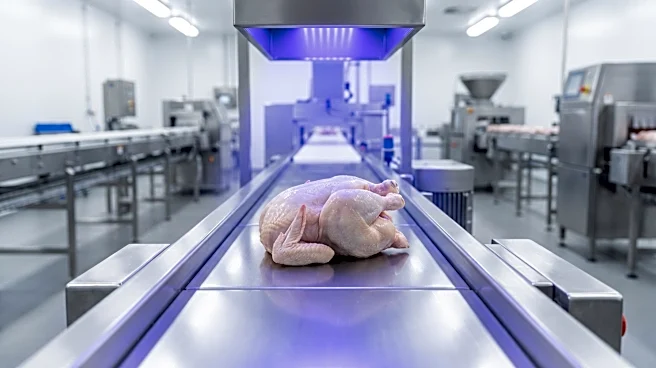
cause of bacterial food poisoning globally, with hundreds of thousands of cases annually in the UK alone, incurring an estimated £700 million in healthcare and lost productivity costs. The study, published in the journal Microbiology, tested VB-PDI against 64 different strains of Campylobacter, including those resistant to antibiotics, and found that every strain was effectively eliminated. This method involves shining a safe, visible violet-blue light onto bacteria, which triggers molecules within their cells to produce destructive reactive oxygen species. Crucially, this technique requires no physical contact with the food and no added chemicals, making it a promising solution for use in poultry processing plants after slaughter, before products reach consumers. The researchers estimate that a 100-fold reduction in contamination on chicken carcasses could decrease the proportion of highly contaminated carcasses reaching retail from approximately 1 in 10 to just 1 in 50.
Why It's Important?
This breakthrough offers a significant advancement in food safety, particularly for the poultry industry and public health. The current prevalence of Campylobacter in raw chicken, found in about three-quarters of all raw chicken sold in the UK, poses a substantial health risk. While cooking kills the bacteria, cross-contamination during handling is a major cause of infection, leading to symptoms like stomach cramps, fever, nausea, and bloody diarrhea. The VB-PDI technology's ability to kill antibiotic-resistant strains is particularly vital, as rising antibiotic resistance makes traditional methods less effective. Unlike chlorinated chicken, which is common in the U.S. but not widely accepted in Europe due to differing food standards, this blue light method avoids chemicals, potentially easing trade barriers and improving consumer confidence. The low-cost nature of the technology, utilizing simple, low-power LEDs, also makes it accessible for poultry producers globally, including in low- and middle-income countries where food safety infrastructure may be limited. This could lead to a global reduction in foodborne illnesses and associated economic burdens.
What's Next?
The research team plans to conduct further trials on naturally contaminated poultry carcasses in real processing environments before the VB-PDI technology can be commercially implemented. These trials will be crucial to validate the effectiveness and scalability of the method in practical settings. The consistent results observed across multiple species and resistance profiles are highly encouraging, suggesting broad applicability. The simplicity and adaptability of the technology indicate it could be integrated at various stages of the food production process. If successful, this technology could be adopted by poultry processing plants, leading to a significant reduction in Campylobacter contamination before products reach consumers. Additionally, the absence of evidence that Campylobacter can develop resistance to this treatment suggests a durable solution to a persistent food safety challenge. The Animal and Plant Health Agency, which co-led the research, emphasizes the potential for this technology to reduce the incidence of foodborne illness.
Beyond the Headlines
The development of VB-PDI technology represents a paradigm shift in food safety, moving beyond traditional chemical-based decontamination methods. Its chemical-free nature addresses growing consumer concerns about food additives and processing techniques. This innovation could also influence international food safety standards and trade policies, potentially offering a universally acceptable method for reducing bacterial contamination in poultry. The ability to combat antibiotic-resistant strains without relying on new antibiotics is a critical step in the broader fight against antimicrobial resistance, a major global health threat. Furthermore, the low-cost implementation could democratize access to advanced food safety measures, benefiting public health in regions with limited resources. This technology highlights the potential of light-based therapies in various fields, extending beyond food safety to other areas where microbial control is essential, offering a sustainable and environmentally friendly approach to pathogen reduction.