





What's Happening?
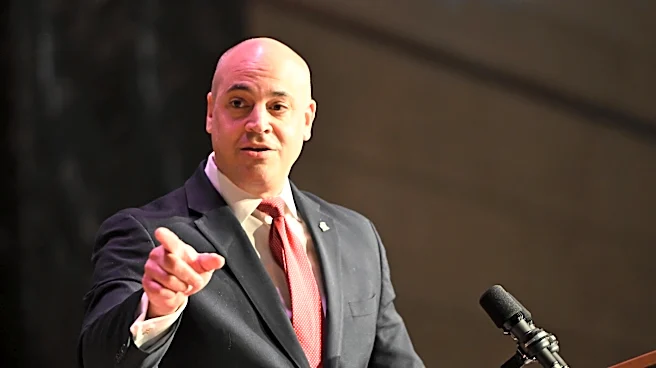
More than a dozen Penn State University students are accused of running a cocaine trafficking ring, primarily operating out of two off-campus fraternity houses, Delta Upsilon and Sigma Chi. Pennsylvania Attorney General Dave Sunday announced charges against
14 individuals, stating that the operation involved primarily college students and two fraternities, with drugs distributed mainly to Penn State students. The alleged trafficking occurred between 2023 and 2024. Thirteen of the charged defendants were students during this period, with four still currently enrolled. Prosecutors allege that two main suppliers made regular trips to New York and Philadelphia for large quantities of cocaine. Four defendants face felony charges including corrupt organizations and conspiracy, while others face misdemeanor counts. The 14th person charged is a student's father, accused of evidence tampering.
Why It's Important?
This incident highlights significant concerns regarding drug activity and hazing within university fraternity systems, particularly at a prominent institution like Penn State. The allegations suggest a sophisticated drug trafficking operation, not merely casual drug use, indicating a deeper infiltration of illicit activities into student life. The involvement of fraternity houses as operational bases raises questions about oversight and accountability within these organizations. Furthermore, the claim that cutting and packaging cocaine was an 'indoctrination' for some pledges points to a disturbing link between drug dealing and hazing practices, which are already a persistent problem on college campuses. This situation could lead to increased scrutiny of Greek life nationwide and prompt universities to re-evaluate their policies and enforcement mechanisms regarding student conduct and fraternity oversight.
What's Next?
Penn State University has stated it is 'horrified' by the allegations and will cooperate with law enforcement. Delta Upsilon has been placed on interim probation by the university, and individuals associated with the fraternity in the case have been expelled, suspended, or resigned. Sigma Chi has not yet commented. The legal proceedings against the 14 charged individuals will continue, with potential consequences ranging from imprisonment to academic expulsion. The university is expected to enhance its health, safety, and hazing educational efforts. This event will likely trigger internal investigations within the fraternities and the university, potentially leading to stricter regulations for Greek organizations, increased monitoring of off-campus housing, and more rigorous enforcement of anti-hazing and drug policies. The case may also influence how parents and prospective students view fraternity life.
Beyond the Headlines
The alleged cocaine trafficking ring at Penn State fraternities exposes a darker side of college culture, challenging the idealized image of higher education. It brings to light the potential for criminal enterprises to flourish within social structures designed for camaraderie and personal development. The involvement of a student's father in evidence tampering further complicates the narrative, suggesting a breakdown of ethical boundaries beyond the student body. This incident could spark a broader conversation about the pressures on young adults, the accessibility of illicit drugs, and the responsibilities of universities and parents in fostering a safe and ethical environment. It also raises questions about the socio-economic factors that might drive students to engage in such high-risk activities, and the long-term impact on their lives and the reputation of the institutions involved.