



What's Happening?
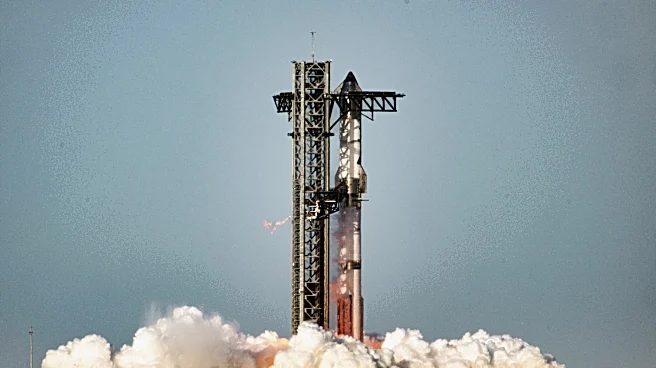
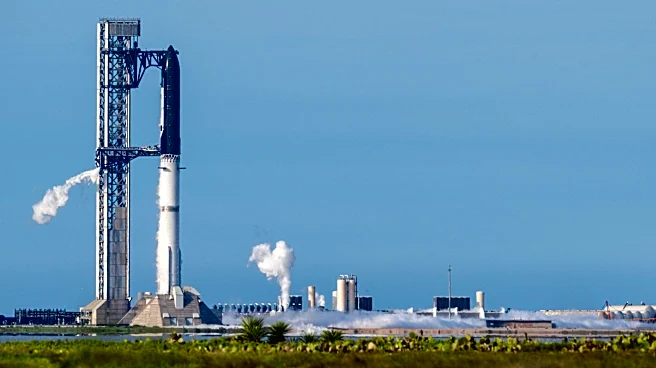
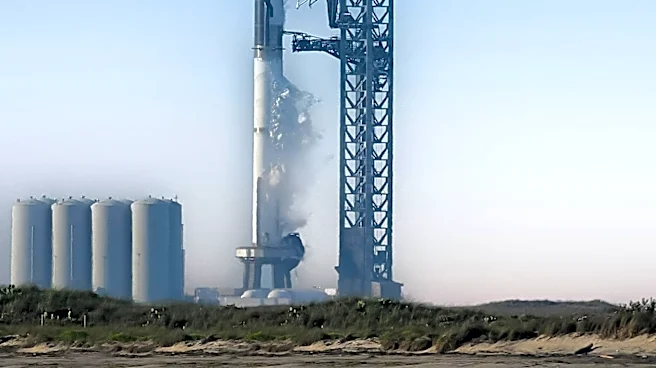
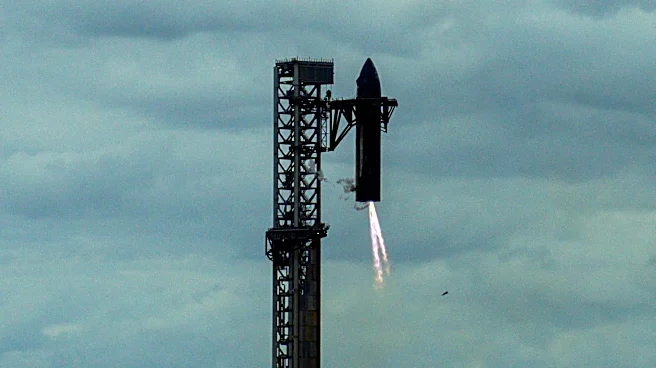
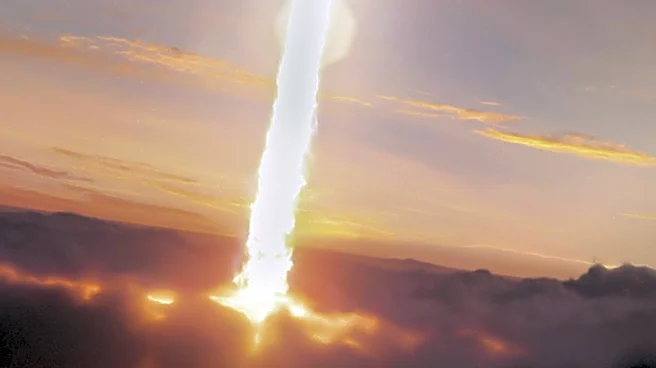
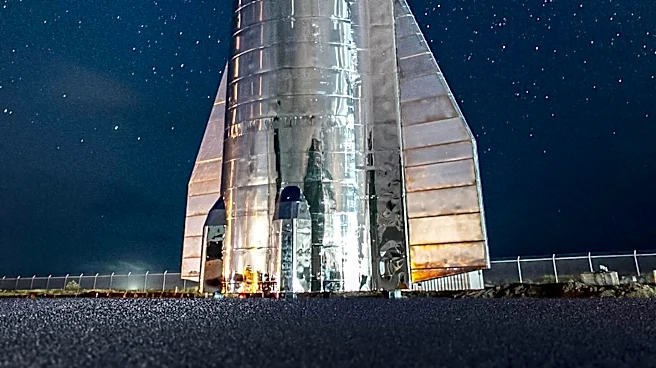
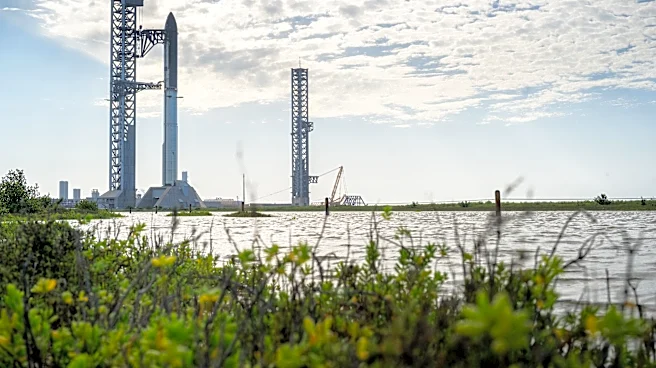
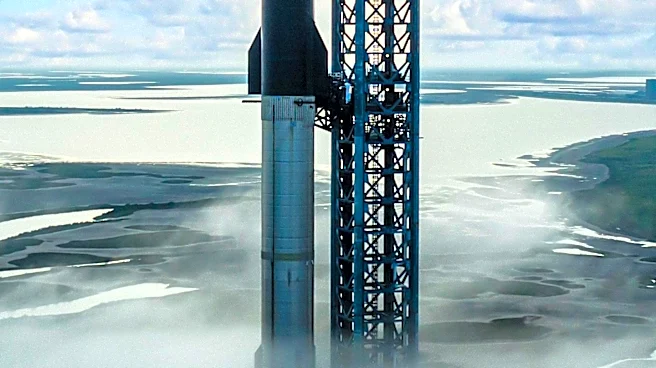
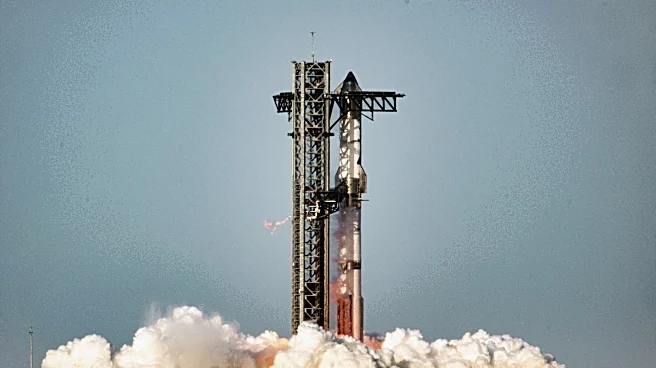
On November 13, 2026, SpaceX's Starship spacecraft experienced an incident during its launch from Starbase in Texas. While the launch itself proceeded without incident, the Super Heavy booster failed to return to its base for reuse and was subsequently
destroyed before reaching the sea. This event led to debris washing ashore on Mexican beaches, specifically at Playa Bagdad off the coast of Matamoros, Tamaulipas. Mexican authorities, including personnel from the Federal Attorney General for Environmental Protection (Profepa), the National Commission of Natural Protected Areas (Conanp), and the Secretariat of the Navy (Semar), began collecting the fragments on November 17. Approximately 2 kilograms of debris were collected on the first day, exhibiting various physical characteristics such as rigid, whitish fragments with cracks and irregular edges, and light to yellowish pieces with a rough, porous texture. Adverse weather and sea conditions between November 13 and 17, including high waves and strong northerly winds, facilitated the dispersal of these materials along the shoreline, complicating collection efforts.
Why It's Important?
This incident highlights the ongoing challenges and risks associated with developing fully reusable rocket systems, a core objective for SpaceX's Starship program. While the destruction of the booster is a setback for reusability goals, the subsequent environmental impact of debris washing ashore in a neighboring country raises concerns about cross-border environmental management and international cooperation in space launch activities. The involvement of multiple Mexican federal agencies underscores the need for robust protocols for debris recovery and environmental protection following space launches, especially given the proximity of launch sites to international borders and sensitive ecological areas. The event also brings into focus the potential for such incidents to affect local communities and ecosystems, requiring prompt and coordinated responses from authorities to mitigate any adverse effects and ensure public safety.
What's Next?
Mexican authorities will continue their efforts to identify, collect, and properly store any further debris that washes ashore along the Tamaulipas coastline. Profepa has urged the public not to touch or handle any found materials, emphasizing that specialized personnel are required for identification and handling. The collected debris will remain in safekeeping at Navy facilities until SpaceX, as the responsible company, collects and handles them properly. This incident may prompt further discussions between U.S. and Mexican authorities regarding protocols for managing space launch debris and potential environmental impacts. SpaceX will likely analyze the booster's failure to inform future design and operational adjustments aimed at improving booster recovery reliability and minimizing environmental risks.
Beyond the Headlines
The Starship program aims to revolutionize space travel by making it fully reusable, significantly reducing the cost of access to space. Incidents like this, while part of the development process, underscore the complex engineering and operational hurdles that must be overcome. The environmental aspect of debris dispersal across international borders also brings to light broader questions about accountability and regulatory frameworks for space activities. As space launches become more frequent, the potential for environmental incidents, both localized and transboundary, increases. This event could serve as a catalyst for enhanced international cooperation and the development of more comprehensive environmental impact assessments and mitigation strategies for space launch operations, ensuring that the pursuit of space exploration is balanced with environmental stewardship.