


What's Happening?
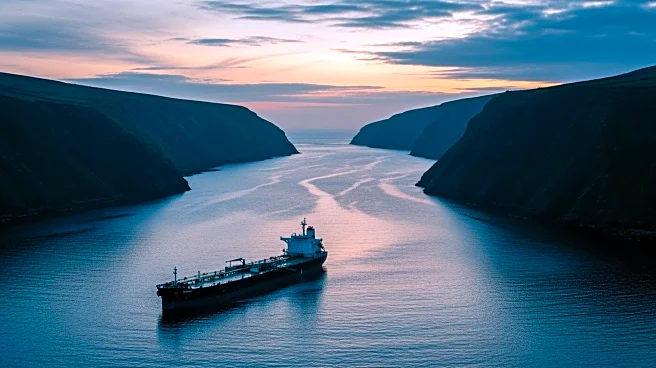
Dr. S.V. Anchan, Chairman of the maritime company Safesea Group, has expressed concerns over the potential closure of the Strait of Hormuz due to escalating tensions following US-Israel military actions against Iran. The Strait of Hormuz is a critical
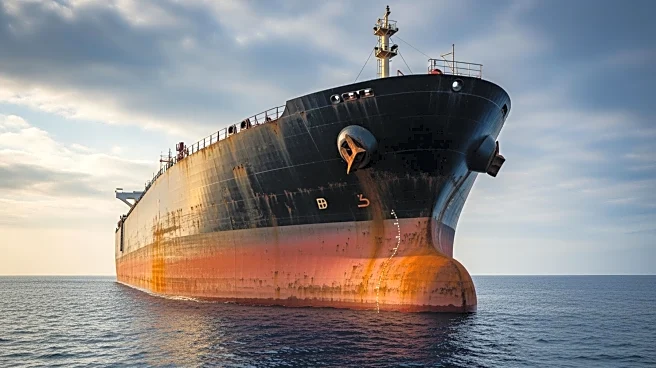
passage for global oil transportation, and any disruption could significantly impact oil prices and the global economy. Anchan highlighted that the shipping industry is particularly vulnerable to geopolitical conflicts, as it is often the first to feel the effects of such turmoil. He noted that approximately 150 tankers are currently anchored outside the strait, unable to proceed due to security concerns. Anchan emphasized the need for international cooperation to ensure the safe passage of vessels, suggesting that naval support might be necessary to maintain operations in the region.
Why It's Important?
The Strait of Hormuz is a vital chokepoint for the global oil supply, with about 20% of the world's petroleum passing through it daily. Any disruption in this area could lead to a spike in oil prices, affecting economies worldwide, including the United States. The potential closure of the strait poses a significant risk to the maritime industry, which is already facing challenges due to geopolitical tensions. The situation underscores the interconnectedness of global trade and the importance of maintaining open and secure shipping lanes. The maritime industry, which facilitates 94% of global trade, could face severe financial and operational challenges if the strait is closed, impacting not only shipping companies but also industries reliant on oil and gas.
What's Next?
If tensions continue to escalate, there may be increased calls for international diplomatic efforts to de-escalate the situation and ensure the security of the Strait of Hormuz. Governments and international bodies like the United Nations may need to engage in dialogue to prevent further disruption. The maritime industry might also seek greater support from governments to mitigate the risks associated with operating in conflict zones. Additionally, there could be discussions around the legal and financial implications for shipowners and traders affected by the situation, including potential compensation for losses incurred due to sanctions and disruptions.
Beyond the Headlines
The current situation highlights the broader issue of how geopolitical conflicts can have far-reaching impacts on global trade and the economy. It raises questions about the role of international governance in managing such crises and the need for more robust mechanisms to protect industries from the fallout of political decisions. The maritime industry's call for a recognized business body to provide input on sanctions suggests a need for more inclusive decision-making processes that consider the economic implications for all stakeholders involved.