








What's Happening?
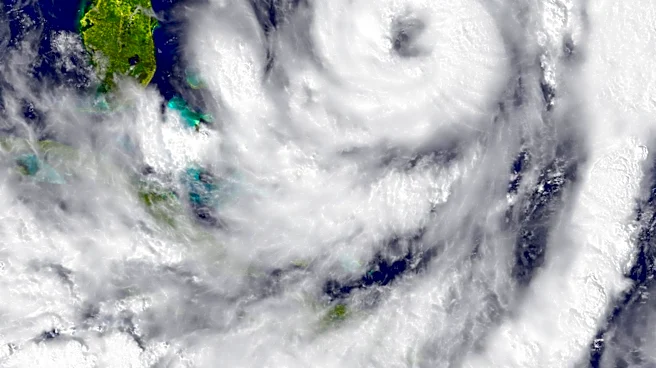
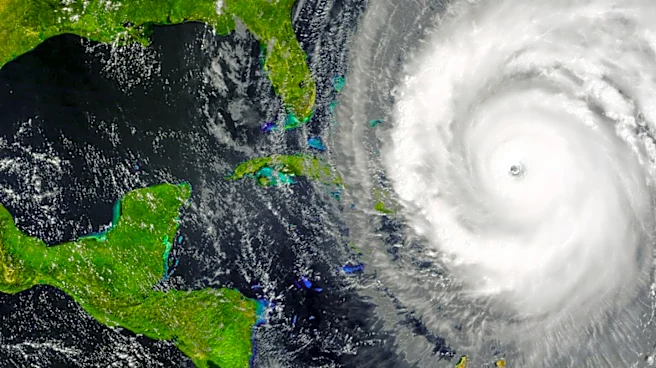
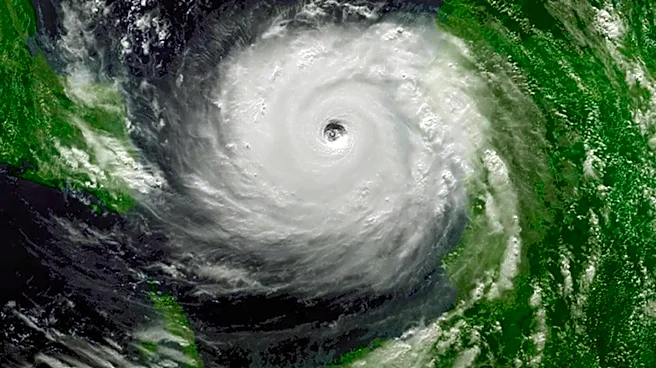
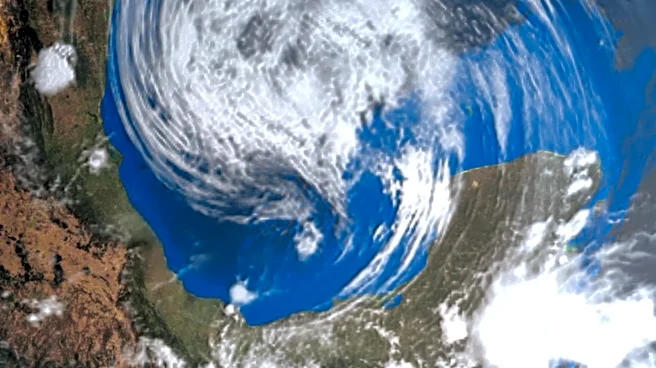
Colorado State University has updated its forecast for the 2026 Atlantic hurricane season, predicting a reduction in the number of storms. The revised forecast anticipates nine named storms, four hurricanes, and one major hurricane of category three or stronger.
This adjustment is attributed to the strengthening of El Niño, a climate pattern characterized by warmer sea surface temperatures in the Pacific Ocean, which can influence global weather patterns. Despite the quieter forecast, experts caution that the threat of hurricanes remains, as even below-average seasons can produce significant storms.
Why It's Important?
The updated forecast has significant implications for regions prone to hurricanes, as it suggests a potentially less active season. However, the presence of El Niño can lead to varied weather impacts globally, including increased rainfall and flooding in some areas, and droughts in others. This forecast is crucial for emergency preparedness and resource allocation in affected regions. It also highlights the importance of understanding climate patterns and their broader effects on weather systems, which can influence agricultural productivity, infrastructure resilience, and public safety.
What's Next?
Residents in hurricane-prone areas are advised to remain vigilant and prepared, despite the forecasted reduction in storm activity. Emergency management agencies may continue to update and refine their response plans based on evolving weather patterns. Additionally, ongoing research into climate phenomena like El Niño will be essential in improving future forecasts and understanding their long-term impacts on global weather systems.