








What's Happening?
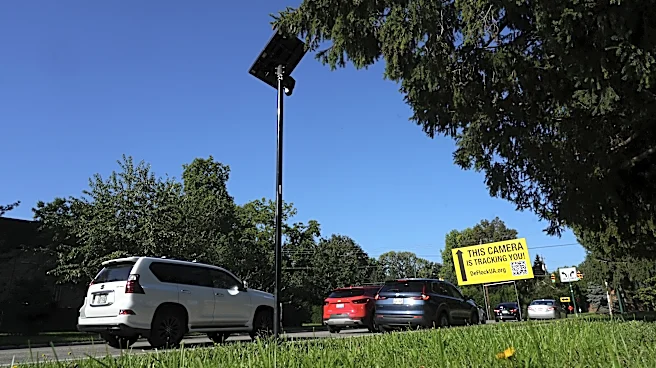
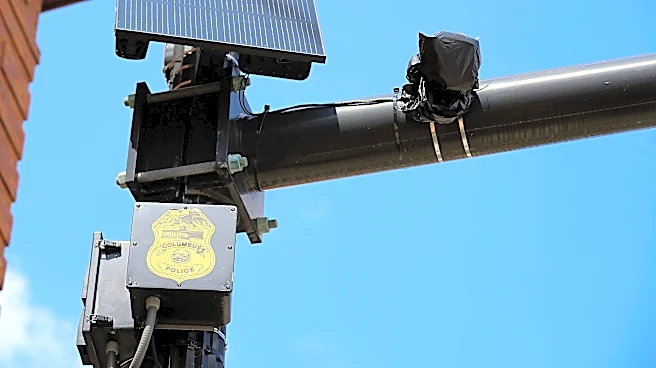
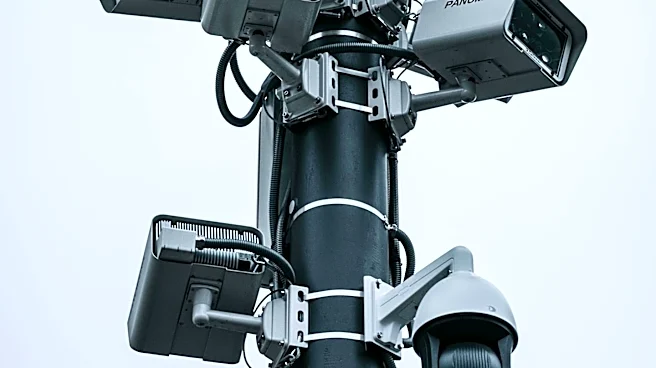
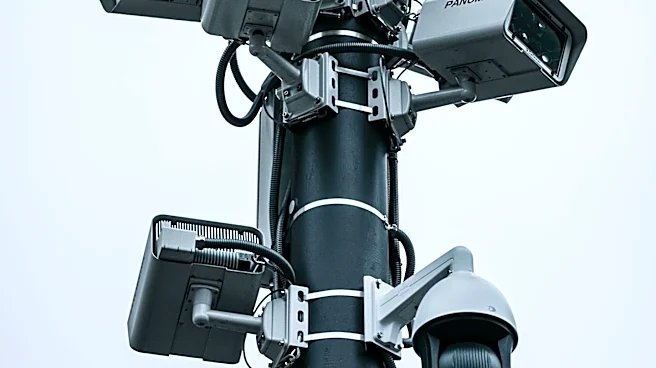
The Las Cruces Police Department (LCPD) has introduced an online transparency portal detailing its use of Flock Safety license plate reader cameras. This new portal aims to provide the public with information regarding the technology, its applications,
and privacy considerations. It includes a video addressing common questions and concerns about the cameras. The portal specifies that LCPD retains Flock camera data for 30 days, after which it is automatically deleted from the system. Furthermore, it outlines what the cameras are capable and incapable of detecting, along with the department's acceptable-use policy, including prohibited uses. The portal is accessible via LCPD’s Transparency Page, and the accompanying video is available on LCPD’s Facebook page and the City of Las Cruces YouTube channel.
Why It's Important?
The launch of this transparency portal is a significant step in addressing public concerns about surveillance technology and data privacy. As law enforcement agencies increasingly adopt tools like license plate readers, questions about their impact on civil liberties and potential for misuse often arise. By proactively providing detailed information and an acceptable-use policy, LCPD aims to build trust and foster a more informed public dialogue. This initiative is crucial for maintaining community relations and ensuring accountability in the deployment of advanced policing tools. It also sets a precedent for other departments considering or already using similar technologies, emphasizing the importance of clear guidelines and public access to information regarding their operation.
What's Next?
The Flock Camera Transparency Portal will continue to provide real-time data, including the number of cameras in Las Cruces, searches conducted over the previous 30 days, and alerts generated when a vehicle matches a hotlist. These hotlists include vehicles entered into the National Crime Information Center and the National Center for Missing and Exploited Children. Police Chief Jeremy Story emphasized the importance for residents to understand how new technology impacts privacy, and the video aims to clarify how officers use the cameras and to counter any inaccurate information about the system. The department will likely monitor public feedback and engagement with the portal to assess its effectiveness in promoting transparency and addressing community concerns.
Beyond the Headlines
The implementation of transparency portals for surveillance technologies like Flock cameras reflects a growing trend towards greater accountability in policing. Beyond simply informing the public, such initiatives can influence policy development and public discourse around privacy in the digital age. The 30-day data retention policy is a key detail, indicating an effort to balance investigative needs with privacy protection. This move by LCPD highlights the ongoing tension between security measures and individual rights, and how local governments are navigating these complex issues. It also underscores the evolving nature of law enforcement in an era of rapid technological advancement, where public trust is paramount for effective policing.