







What's Happening?
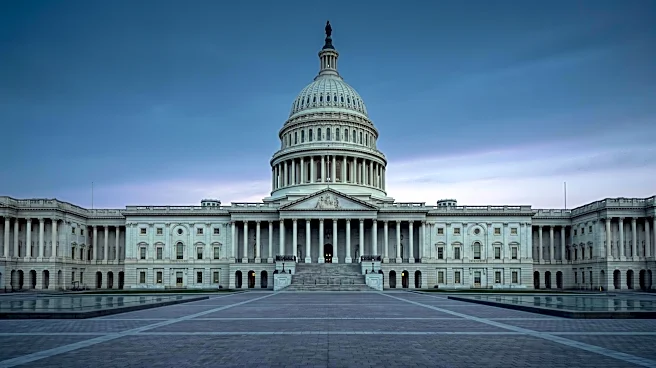
The Women’s Health Advocates (WHA), the National Menopause Foundation, and Perry are hosting the first-ever Perimenopause and Menopause Capitol Hill Day on September 22. This event brings together over 125 advocates from 29 states to Washington D.C. to push
for bipartisan action on critical issues related to menopause. The primary goals include increasing research investment, improving clinician education, expanding access to care, ensuring adequate coverage, and developing supportive workplace policies for menopause. Liz Powell, Esq., MPH, Founder of Women’s Health Advocates, highlighted that despite impacting 71 million women in the U.S., there is currently no legislation addressing gaps in menopause research, education, and care. The event will also feature a congressional briefing with experts from various organizations, following a recent bipartisan congressional hearing on menopause hosted by the Senate Special Committee on Aging, which requested the Government Accountability Office to assess federal funding for menopause care, training, and research. Claire Gill, Founder and President of the National Menopause Foundation, emphasized that menopause is a transition spanning decades, requiring support at every stage.
Why It's Important?
This initiative is important because it seeks to elevate menopause from a personal health concern to a national health priority, potentially impacting millions of women across the United States. The current lack of legislative action and dedicated funding for menopause research and care has left a significant portion of the female population underserved. By advocating for increased research investment, the event aims to close knowledge gaps and develop more effective treatments and management strategies for menopausal symptoms. Improved clinician education will ensure healthcare providers are equipped with the latest information and best practices, leading to better patient outcomes. Furthermore, addressing access, coverage, and workplace policies can alleviate financial burdens and societal stigmas associated with menopause, allowing women to maintain their quality of life and productivity. The bipartisan nature of the call for action suggests a potential for broad political support, which is crucial for enacting comprehensive policy changes that could significantly improve women's health infrastructure in the U.S.
What's Next?
The Perimenopause and Menopause Capitol Hill Day is expected to generate further discussion and potentially lead to legislative proposals aimed at addressing the identified gaps in menopause care. Following the event, policymakers will likely consider the advocates' calls for greater research investment, improved education, and enhanced access and coverage. The request made by the Senate Special Committee on Aging for the Government Accountability Office to evaluate federal funding for menopause care, training, and research will provide crucial data to inform future policy decisions. Stakeholders, including women's health organizations, medical professionals, and patient advocacy groups, will continue to monitor legislative developments and engage with lawmakers to ensure that menopause becomes a national health priority. The ongoing dialogue and data collection are anticipated to pave the way for the introduction of new bills or amendments that could lead to significant improvements in how menopause is understood, treated, and supported in the U.S.
Beyond the Headlines
The push for national recognition of menopause as a health priority extends beyond immediate legislative changes, touching upon deeper societal and cultural implications. Historically, menopause has often been a stigmatized and under-discussed topic, leading to a lack of public awareness and inadequate support systems. This advocacy effort aims to destigmatize menopause, fostering an environment where women feel comfortable discussing their experiences and seeking appropriate care. By highlighting the need for workplace policies, the initiative also addresses the economic impact of menopause, recognizing that symptoms can affect women's professional lives and overall economic participation. Furthermore, the call for increased research funding could lead to a more nuanced understanding of women's health, potentially influencing medical education and research priorities for decades to come. This movement represents a broader shift towards recognizing and addressing the unique health needs of women throughout their lifespan, challenging long-standing biases in medical research and healthcare provision.