



What's Happening?
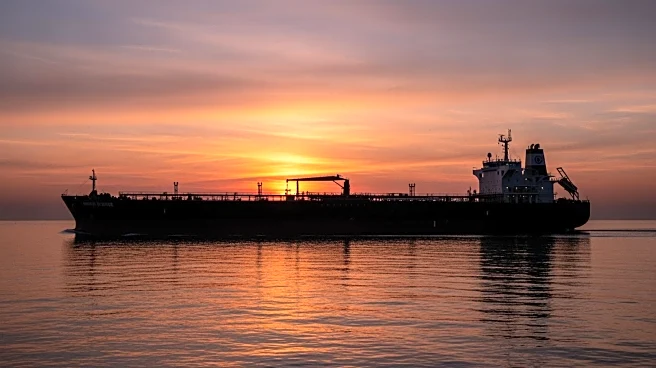
The United States is actively pursuing a third Venezuelan oil tanker following the seizure of another tanker over the weekend. This action is part of a broader U.S. strategy to disrupt Venezuelan oil flows, which has contributed to a rise in oil prices.
Brent oil futures increased by 0.9% to $61.04 a barrel, while West Texas Intermediate crude futures rose by 1% to $57.05 a barrel. The U.S. government's recent actions are part of a crackdown on Venezuela, which has been accused of funding illegal activities. This development comes amid concerns over a potential 2026 oil supply glut and the possibility of Russian oil re-entering the market due to peace talks over the Ukraine conflict.
Why It's Important?
The U.S. actions against Venezuelan oil tankers have significant implications for global oil markets. Venezuela holds the largest proven oil reserves in the world, and disruptions in its oil exports can affect global supply and prices. The U.S. crackdown could lead to increased volatility in oil markets, impacting industries reliant on stable oil prices. Additionally, the geopolitical tensions involving Israel and Iran, as well as the potential return of Russian oil, add layers of complexity to the global oil supply chain. These developments could influence energy policies and economic strategies in the U.S. and other countries.
What's Next?
The U.S. is expected to continue its aggressive stance against Venezuelan oil exports, which may lead to further disruptions in global oil supply. The situation could escalate if geopolitical tensions in the Middle East intensify, particularly with Israel's potential actions against Iran. These factors could lead to increased oil price volatility, affecting global economic stability. Stakeholders, including governments and energy companies, will need to monitor these developments closely to adjust their strategies accordingly.