





What's Happening?
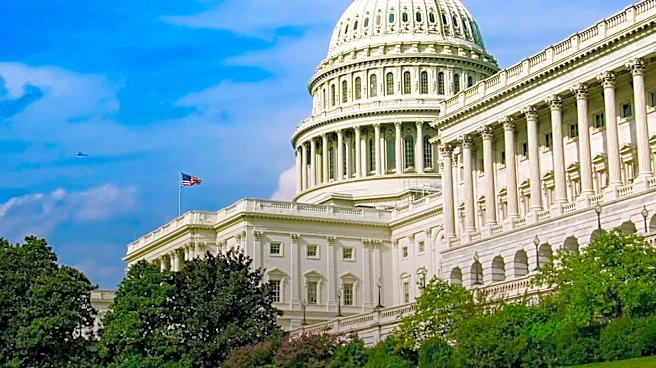
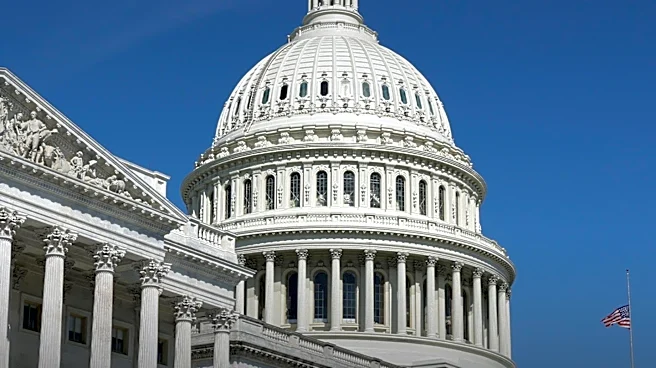
The Combating Organized Retail Crime Act (CORCA), a bill aimed at combating organized retail theft, has garnered significant bipartisan support in Congress, passing the House by a vote of 348-60. However, civil liberties and civil rights organizations,
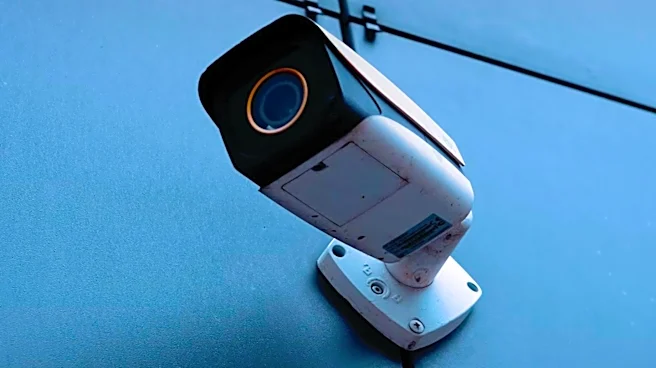
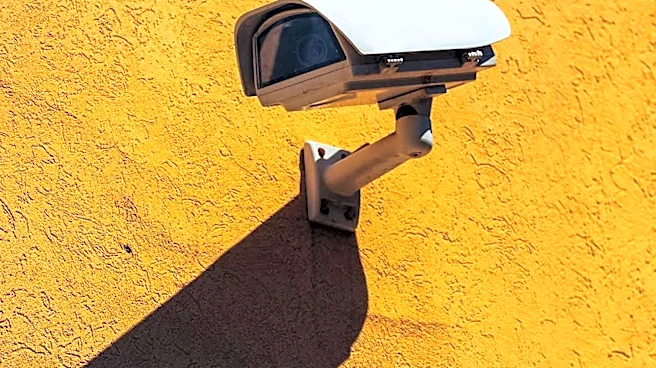
including the ACLU and NAACP Legal Defense and Education Fund, are raising concerns that the bill could lead to a 'very large and very dangerous surveillance network' centered within Immigration and Customs Enforcement (ICE). CORCA proposes establishing an Organized Retail and Supply Chain Crime Coordination Center within ICE’s Homeland Security Investigations (HSI) division, creating new criminal penalties for money laundering proceeds from stolen goods, and setting a $5,000 threshold for the combined value of stolen property for charging purposes. Opponents argue that the bill's broad and vague definitions of 'organized retail crime' and 'retailers,' along with the mechanisms for data sharing, could grant DHS access to extensive retail surveillance data, including from cameras and license plate readers, without adequate safeguards.
Why It's Important?
This legislation is important because it represents a significant federal effort to address organized retail crime, which proponents argue is a growing threat to the U.S. economy and national security, often involving cyber-enabled tactics. However, the bill's critics contend that its structure could disproportionately impact marginalized communities, particularly Black and Brown individuals, due to ICE's history of racial profiling. The expansion of data sharing capabilities to ICE, an agency primarily focused on immigration enforcement, raises serious privacy and civil liberties concerns. The debate highlights a tension between enhancing law enforcement capabilities to combat crime and protecting individual rights against potential government overreach and surveillance. The outcome could set a precedent for how federal agencies collect and utilize data from private entities, impacting privacy norms and the scope of government surveillance in the U.S.
What's Next?
Senate supporters are pushing for CORCA's inclusion in the annual defense policy bill, which is considered 'must-pass' legislation, increasing its chances of becoming law. Opponents, however, are actively working to beat back the bill, arguing that many lawmakers may not fully understand the extent of power it grants to ICE and DHS. The debate will likely continue as the bill moves through the Senate, with civil liberties groups advocating for amendments to include stronger privacy protections and clearer definitions. The legislative process will determine whether the concerns about expanded surveillance and potential civil rights violations are addressed, or if the bill passes in its current form. If enacted, the implementation of CORCA will be closely watched for its impact on retail crime rates, as well as its implications for privacy and civil liberties in the U.S.
Beyond the Headlines
The CORCA bill touches upon deeper societal issues concerning the role of government surveillance in a democratic society and the intersection of criminal justice with immigration enforcement. Critics argue that by housing the coordination center within ICE's HSI, the bill blurs the lines between combating retail crime and immigration enforcement, potentially leading to the targeting of individuals based on their immigration status rather than their involvement in organized crime. This raises ethical questions about mission creep and the potential for data collected for one purpose to be used for another. Furthermore, the bill's broad language regarding data sharing could pave the way for a more pervasive surveillance infrastructure, where private retail data becomes readily accessible to federal agencies, challenging existing notions of privacy in commercial spaces and potentially eroding public trust in both government and corporations.