
What's Happening?
A 14-year-old boy was shot in the face outside a vacant building on Warsaw Avenue in East Price Hill, drawing critical attention to Cincinnati's widespread issue of vacant and nuisance properties. City
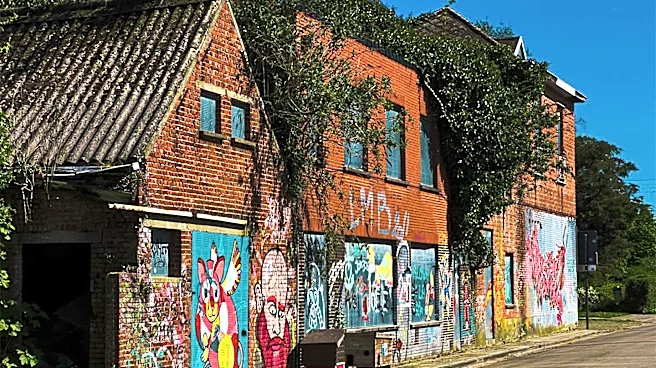
officials estimate there are approximately 5,000 vacant buildings across Cincinnati, many of which pose significant safety risks and contribute to neighborhood decline. Amber Kassem, president of the East Price Hill Improvement Association, stated that the building where the shooting occurred could have been secured, noting that she had expressed concerns about the property via email hours before the incident. Cincinnati City Councilman Mark Jeffreys highlighted that these vacant properties often become sites for crime, overgrowth, and dangerous activities, impacting the quality of life for nearby residents. The city has recently implemented a vacant building registry, requiring property owners to register their buildings twice a year and comply with regulations.
Why It's Important?
The shooting incident in East Price Hill underscores the severe public safety and quality of life challenges posed by vacant properties in urban areas. These buildings not only attract criminal activity but also contribute to neighborhood blight, reduce property values, and create an environment of neglect that can deter investment and community development. The city's new vacant building registry and inspection efforts are crucial steps towards mitigating these risks, aiming to hold property owners accountable for maintaining their properties and preventing them from becoming hazards. The estimated 5,000 vacant buildings in Cincinnati represent a substantial urban planning and public health issue, requiring sustained effort and resources to address. Effective management of these properties is vital for fostering safer communities, improving urban aesthetics, and promoting economic stability in affected neighborhoods.
What's Next?
Cincinnati city inspectors are currently visiting approximately 200 properties each week to ensure they are boarded up, structurally sound, and free of unauthorized occupants. Property owners who fail to comply with the new vacant building registry and maintenance regulations face fines and other penalties. The city's previous reliance on complaints to identify vacant properties is being replaced by a more proactive system where buildings are classified as vacant if water service has been shut off for six months, triggering notification to the owner to register and comply. This shift aims to identify and address problematic properties more efficiently. Residents and officials will continue to work on addressing the thousands of vacant properties, with ongoing efforts focused on enforcement, community engagement, and potentially exploring programs for rehabilitation or demolition to improve neighborhood conditions.
Beyond the Headlines
The issue of vacant buildings extends beyond immediate safety concerns, touching upon broader socio-economic and urban development challenges. These properties often exist in areas experiencing economic hardship, reflecting cycles of disinvestment and population decline. The presence of numerous vacant structures can perpetuate a sense of instability and neglect, making it difficult for communities to attract new residents or businesses. Addressing this problem effectively requires a multi-faceted approach that includes not only enforcement but also economic development initiatives, affordable housing strategies, and community-led revitalization efforts. The long-term implications involve transforming these liabilities into assets, potentially through urban gardening, community spaces, or affordable housing developments, thereby fostering sustainable urban renewal and improving the overall well-being of Cincinnati's residents.