







What's Happening?
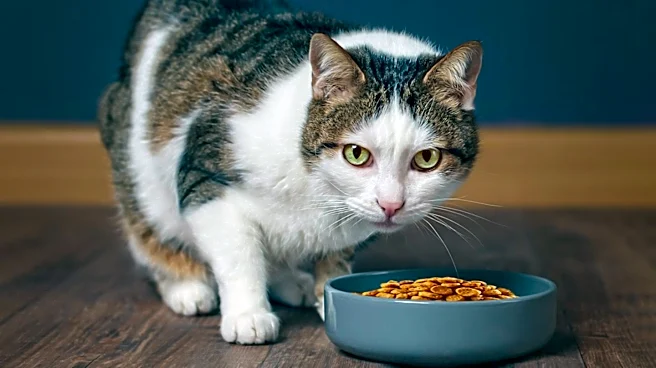
A recent study analyzing 100 cat food products from 62 U.S. brands found heavy metals, the herbicide glyphosate, and plastic-related chemicals in nearly all tested samples. Di(2-ethylhexyl) phthalate (DEHP), a plasticizer linked to hormone disruption,
was the most common contaminant after heavy metals, appearing in 48 products. Canned and pouched foods showed significantly higher levels of DEHP compared to bagged products, suggesting contact with packaging as a source. While the study identified the presence of these contaminants, it did not establish whether the detected levels pose a health risk to cats. The analysis also noted that in 35 products, the first-listed ingredient did not reflect the majority of the recipe, often due to 'ingredient splitting' where plant ingredients were listed in various forms.
Why It's Important?
This study raises significant concerns for U.S. pet owners and the pet food industry regarding the safety and transparency of cat food products. The widespread presence of heavy metals, glyphosate, and plastic-related chemicals, even if their health impact is yet to be determined, highlights potential systemic issues in ingredient sourcing, manufacturing processes, and packaging. The finding that canned and pouched foods contain higher levels of plasticizers suggests a need for re-evaluation of packaging materials. Furthermore, the practice of 'ingredient splitting' can mislead consumers about the true composition of pet food, impacting their ability to make informed choices for their pets' nutrition and health. This research could prompt increased scrutiny from regulatory bodies, consumer advocacy groups, and pet food manufacturers, potentially leading to changes in industry standards and labeling requirements.
What's Next?
The findings of this study are likely to spur further research into the long-term health effects of these contaminants on cats. Pet food manufacturers may face increased pressure from consumers and advocacy groups to disclose more information about their ingredient sourcing, testing protocols, and packaging materials. Regulatory bodies, such as the FDA, might consider reviewing existing guidelines for contaminants in pet food, especially concerning chronic exposure. Consumers are advised to consider rotating protein sources for their cats and to inquire with manufacturers about their testing practices for heavy metals and other contaminants. The study also suggests a need for greater transparency in ingredient labeling to help pet owners make more informed decisions.
Beyond the Headlines
Beyond the immediate implications for pet health, this study touches upon broader issues of chemical exposure in the food chain and the challenges of ensuring product safety in a complex manufacturing environment. The presence of plasticizers like DEHP in cat food underscores the pervasive nature of microplastics and chemical leaching from packaging into consumables, a concern that extends to human food products as well. The detection of glyphosate, a widely used herbicide, points to potential contamination throughout the agricultural supply chain. This research highlights the intricate web of environmental factors that can impact the safety of everyday products and the ongoing need for rigorous scientific investigation and regulatory oversight to protect both animal and human health. It also brings to light the ethical considerations for manufacturers in providing clear and accurate product information to consumers.