
What's Happening?
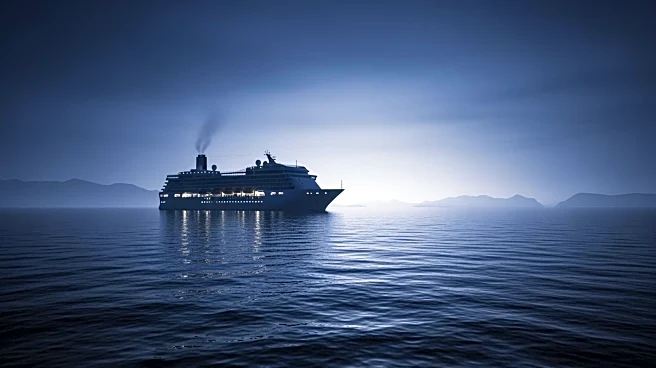
Cruise lines, including MSC and Celestyal Cruises, have suspended operations in the Middle East due to the ongoing crisis in the region. This decision has left thousands of passengers and crew stranded as ships are unable to safely navigate or disembark
at ports in Dubai, Doha, and Abu Dhabi. The suspension of sailings is a response to the geopolitical instability, with cruise lines offering refunds or future cruise credits to affected travelers. The complexity of evacuating passengers is compounded by the withdrawal of war-risk insurance coverage by major marine insurers, making it difficult for ships to leave ports. Historically, cruise itineraries have been altered or canceled due to political unrest, such as the removal of Egypt from schedules in 2011 and the cessation of Black Sea sailings following the invasion of Ukraine.
Why It's Important?
The suspension of cruise operations in the Middle East highlights the vulnerability of the tourism industry to geopolitical events. This disruption affects not only the cruise lines but also the broader travel and hospitality sectors, which rely on stable conditions for operations. The stranded passengers face logistical challenges in returning home, impacting their travel plans and potentially leading to financial losses. The situation underscores the importance of geopolitical stability for the tourism industry, which can face significant setbacks during times of crisis. Additionally, the withdrawal of insurance coverage adds a layer of financial risk for cruise operators, potentially influencing future decisions regarding itineraries in volatile regions.
What's Next?
Cruise lines will continue to monitor the situation in the Middle East, adjusting their operations based on developments. Passengers affected by the suspension may seek alternative travel arrangements or compensation from cruise operators. The industry may also reassess its risk management strategies, including insurance coverage and contingency planning for geopolitical disruptions. As the situation evolves, cruise lines may explore redeploying ships to safer regions, such as the Mediterranean, to mitigate losses and maintain operations. The long-term impact on cruise itineraries in the Middle East will depend on the resolution of the crisis and the restoration of stability in the region.
Beyond the Headlines
The current crisis in the Middle East serves as a reminder of the interconnectedness of global events and the tourism industry. Cruise ships, often seen as symbols of escapism, are directly affected by geopolitical realities, requiring constant vigilance and adaptation. The historical repurposing of cruise ships during times of crisis, such as their use as troopships during World War II, illustrates their potential role in humanitarian efforts. The industry's response to the crisis may also influence future policies regarding travel advisories and insurance coverage, shaping the way cruise lines operate in politically sensitive areas.