




What's Happening?
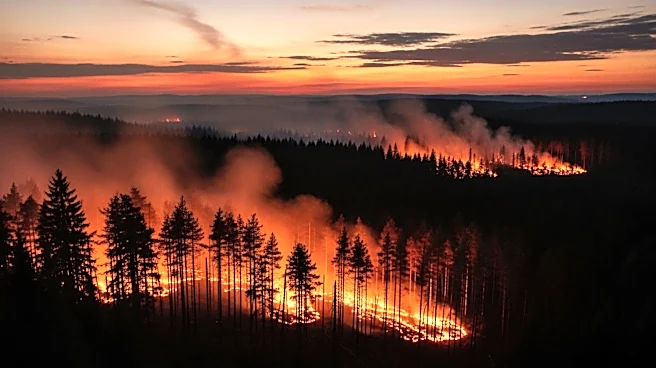
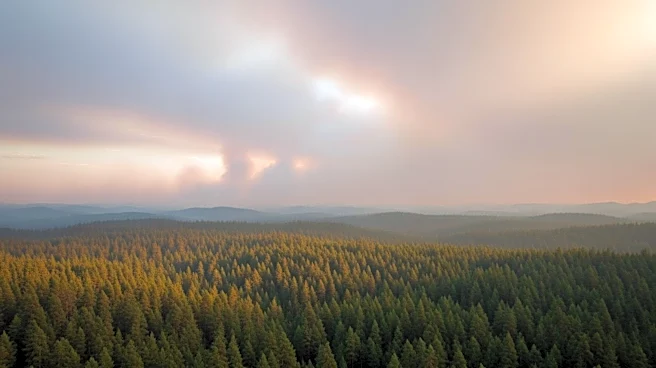
Wildfires in southeastern Georgia have destroyed more than 120 homes, with the Highway 82 fire alone accounting for 87 of these. This fire, the most destructive in Georgia's history, was ignited by a foil balloon hitting power lines. Another fire in Clinch
and Echols counties has burned over 46.9 square miles and destroyed at least 35 homes. Both fires are only about 10% contained, and strong winds are expected to exacerbate the situation. Officials have urged residents to evacuate as the fires continue to pose a significant threat. The fires have also contributed to air quality warnings in distant areas due to the smoke.
Why It's Important?
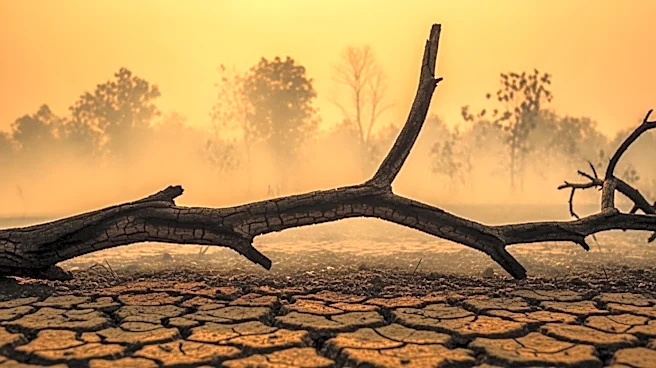
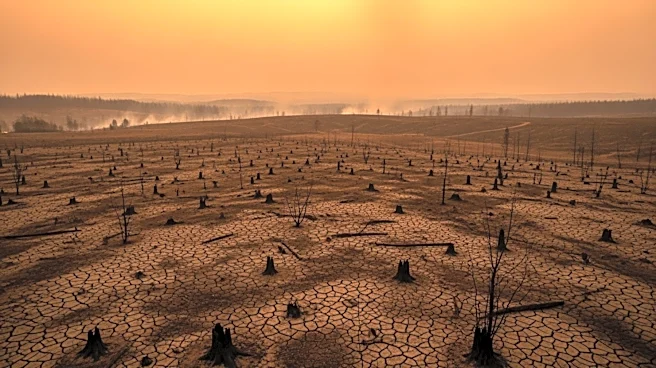
The wildfires highlight the increasing vulnerability of southeastern U.S. regions to fire hazards, exacerbated by extreme drought conditions, climate change, and residual debris from past hurricanes. The destruction of homes and the threat to lives underscore the urgent need for effective fire management and disaster preparedness strategies. The fires have also strained local resources and prompted state and federal responses. The situation serves as a stark reminder of the broader environmental challenges facing the region, including the need for sustainable land management practices and climate adaptation measures.
What's Next?
Firefighters are continuing efforts to contain the blazes, with infrared technology being used to map the fires' perimeters. As winds are expected to increase, the situation remains dynamic, and further evacuations may be necessary. Authorities are likely to assess the damage and begin recovery efforts once the fires are under control. The state may also review and update its fire prevention and response strategies to better handle future incidents. Additionally, the impact on air quality could lead to public health advisories and further studies on the environmental effects of such large-scale fires.