







What's Happening?
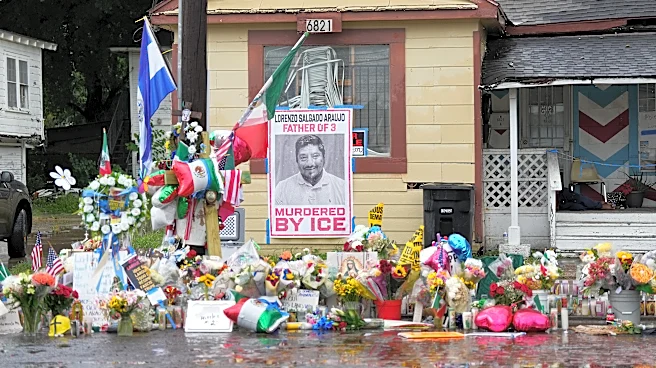
The Harris County District Attorney's Office has confirmed that the substance found in the van driven by Lorenzo Salgado Araujo, who was fatally shot by an ICE agent in Houston, was not drugs. This follows an FBI warrant application that suggested illegal
drugs might have been present in the vehicle. The incident occurred during a traffic stop on July 7, where ICE agents attempted to stop Salgado Araujo's van as part of an immigration enforcement operation. The shooting has sparked controversy, with Salgado Araujo's family and their attorney asserting that the substance was merely a homemade electrolyte mix. The lack of body-worn cameras on the agents involved has further complicated the situation, leading to scrutiny over the federal authorities' account of the event.
Why It's Important?
This development is significant as it challenges the narrative initially presented by federal authorities, potentially impacting public perception of ICE's enforcement tactics. The confirmation that the substance was not drugs undermines claims that could have justified the use of force. This case highlights ongoing debates about the transparency and accountability of ICE operations, especially in the absence of body cameras. The incident has also drawn attention to the broader implications of immigration enforcement practices and their impact on communities, particularly in terms of trust and safety. The outcome of this case could influence future policy discussions and reforms related to immigration enforcement and the use of force by federal agents.
What's Next?
The case is likely to continue drawing attention as calls for an independent investigation into the shooting grow. Advocacy groups, including the ACLU of Texas, have demanded a thorough examination of the incident to ensure accountability. The Harris County District Attorney's Office has certified the individuals involved as material witnesses, which may affect their immigration status and ability to participate in the investigation. The ongoing scrutiny may lead to policy changes regarding the use of body cameras by federal agents and the handling of similar incidents in the future. Additionally, the public and political response could influence legislative actions aimed at reforming ICE practices.