



What's Happening?
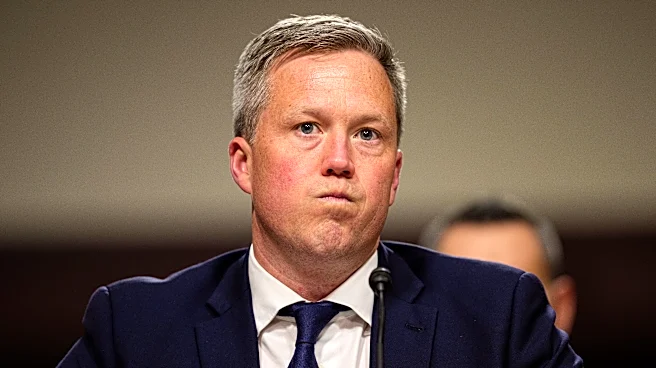
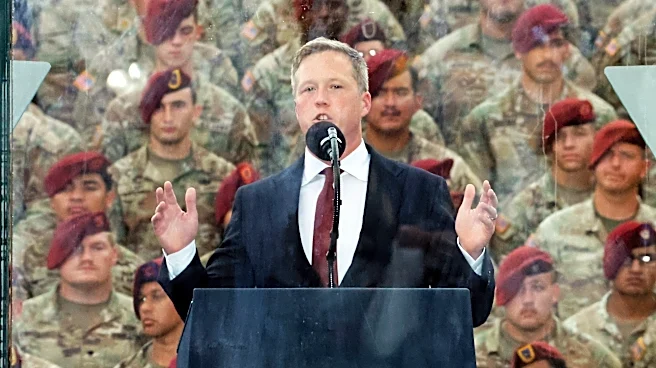
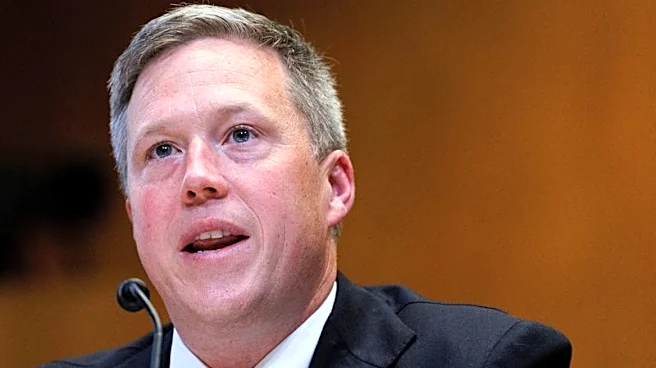
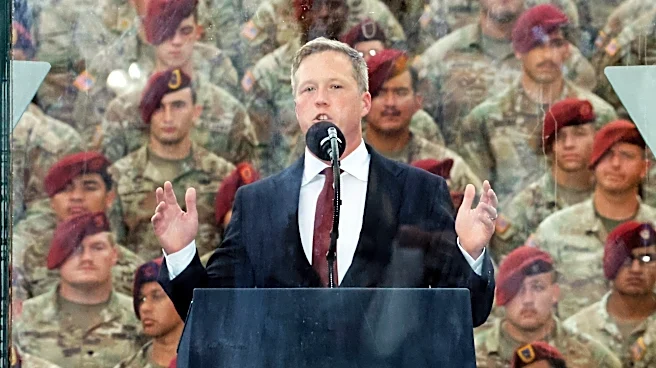
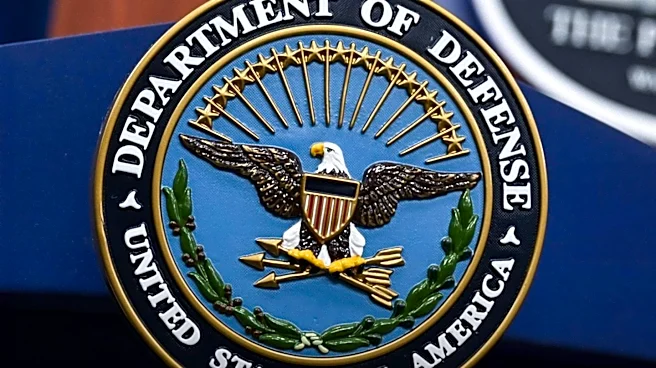
Secretary of the Army, Dan Driscoll, is anticipated to resign from his position. This expected departure follows repeated disagreements and clashes with Defense Secretary Pete Hegseth. The points of contention between the two officials reportedly include
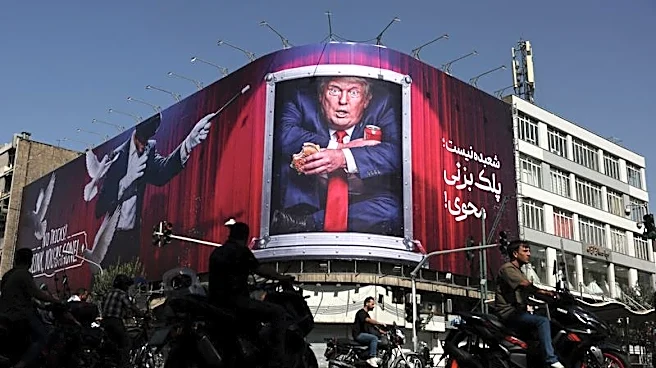
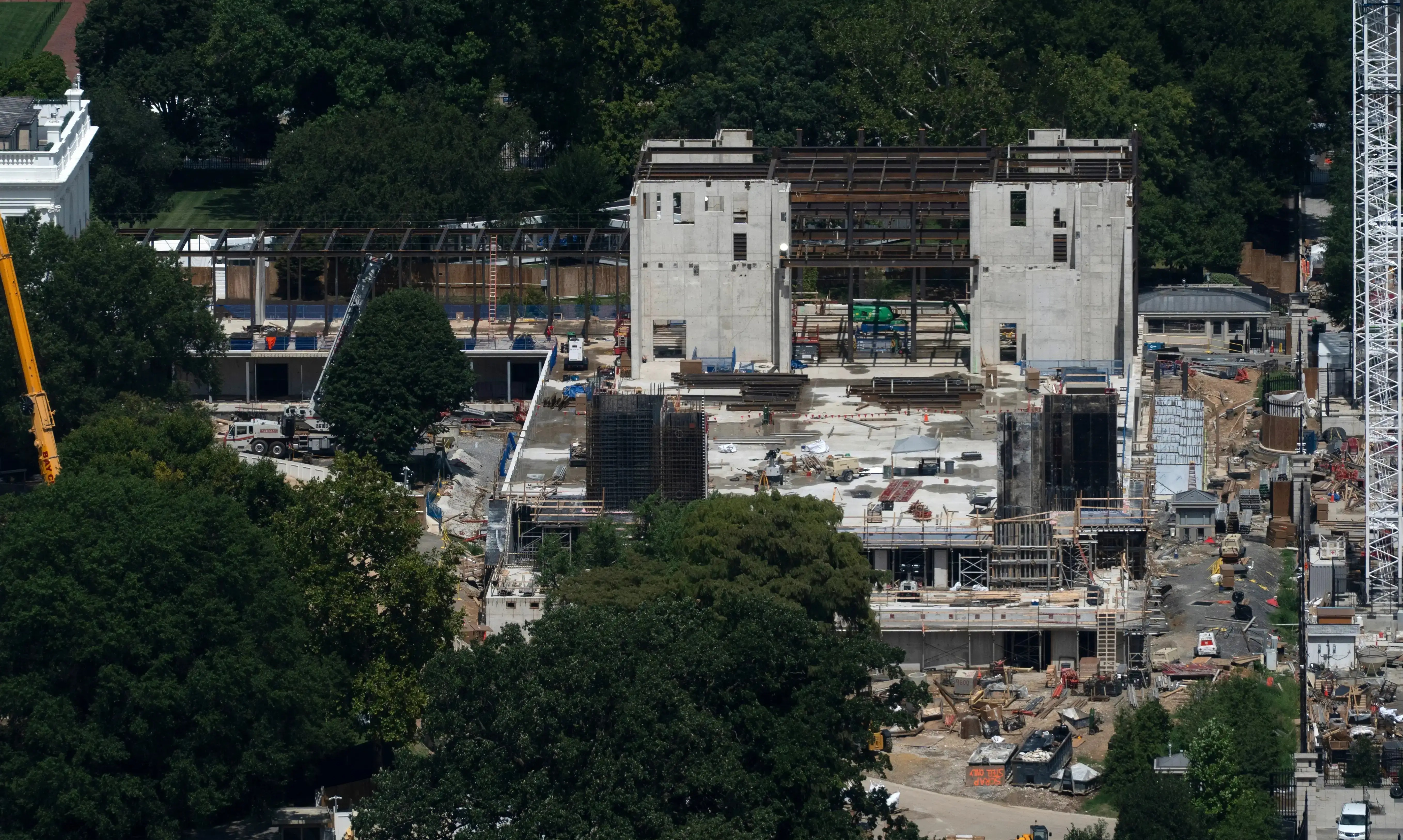
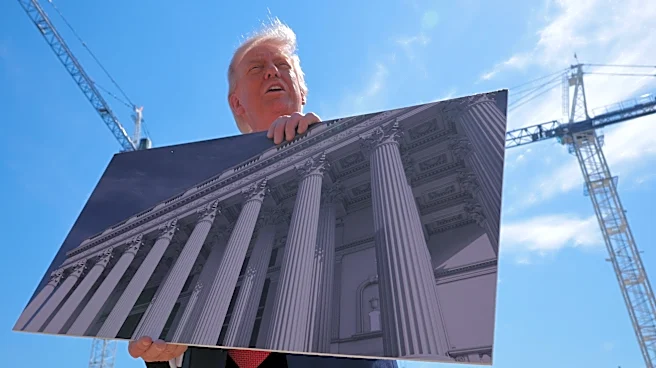
the ongoing war in Iran, the overall direction of the military, and broader national security strategies. This development comes as construction continues at the White House, specifically on a massive ballroom, after the Supreme Court granted President Trump permission to proceed without congressional approval. The resignation of a high-ranking military official due to policy disputes with a cabinet secretary signals potential internal discord within the administration regarding defense and foreign policy.
Why It's Important?
The resignation of Army Secretary Dan Driscoll due to policy clashes with Defense Secretary Pete Hegseth is significant as it indicates potential internal divisions within the U.S. defense leadership. Such disagreements, particularly concerning the war in Iran and the military's direction, can impact the effectiveness and coherence of national security policy. A lack of unified vision at the top could lead to challenges in military operations, resource allocation, and troop morale. This event also highlights the dynamics of power and influence within the executive branch, especially when there are differing views on critical strategic matters. The timing, amidst ongoing international tensions with Iran, adds another layer of complexity, potentially signaling instability in the U.S.'s approach to foreign conflicts. For the military, it could mean a shift in leadership and potentially in strategic priorities, affecting personnel and operations.
What's Next?
The immediate next step will be the official announcement of Army Secretary Dan Driscoll's resignation and the subsequent search for his replacement. The new appointee will likely need to navigate the existing policy differences and work towards a more cohesive vision with Defense Secretary Pete Hegseth. This transition could lead to a re-evaluation of current military strategies, particularly concerning the war in Iran and other national security priorities. The Senate will play a crucial role in confirming any new Secretary of the Army, which could involve public hearings and scrutiny of the administration's defense policies. The ongoing construction of the White House ballroom, while a separate issue, continues to draw attention to presidential authority and spending. The broader implications for U.S. foreign policy and military readiness will depend on the leadership chosen and the ability of the defense department to present a united front.
Beyond the Headlines
The reported clashes between Army Secretary Dan Driscoll and Defense Secretary Pete Hegseth delve deeper than mere policy disagreements; they touch upon the fundamental principles of military leadership and civilian oversight. Such high-profile resignations can expose underlying tensions regarding the balance of power between military and civilian leadership, especially during times of conflict. It also raises questions about the extent to which political considerations influence military strategy and the potential for dissent within the ranks when senior officials hold differing views. The 'war in Iran' as a point of contention suggests a broader debate within the administration about the scope and nature of U.S. engagement in the Middle East. This internal friction could have long-term effects on the morale and strategic direction of the U.S. Army, potentially impacting its ability to execute missions effectively and maintain its global standing. The incident also underscores the challenges of maintaining unity and consensus within a presidential administration on complex national security issues.