








What's Happening?
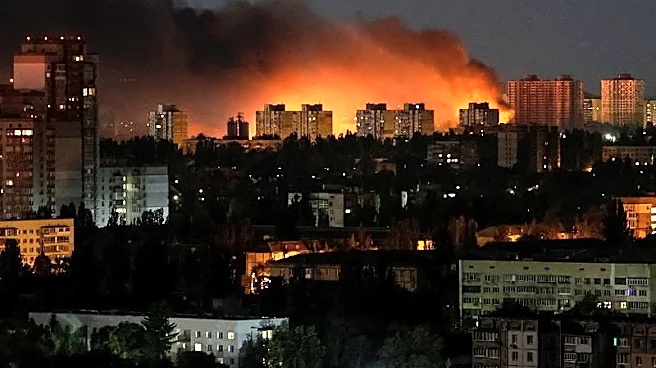
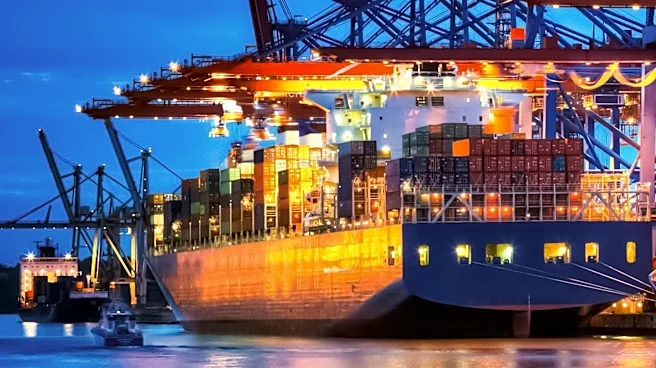
Hapag-Lloyd has announced a temporary suspension of feeder calls to Ukrainian Black Sea ports due to the deteriorating security situation. This decision follows increased Russian attacks on port infrastructure and vessels, which have led other shipping
companies, such as Maersk, to divert cargo to alternative locations like Romania. The affected ports include Chornomorsk, Odesa, and Pivdennyi. Hapag-Lloyd is evaluating Reni, Ukraine, as a potential alternative discharge location for cargo originally destined for these ports. The company is also considering other options, such as changing destinations to Romania or Poland, based on operational feasibility and customer instructions. The suspension comes after feeder services were restored in May 2024, focusing on transporting agricultural goods like sunflower oil and grain.
Why It's Important?
The suspension of feeder services to Ukrainian ports by Hapag-Lloyd highlights the ongoing impact of geopolitical tensions on global trade routes. The disruption poses significant challenges for the export of agricultural products, including corn and grain, which are crucial for global food supply chains. The decision underscores the vulnerability of maritime logistics to regional conflicts, affecting shipping companies' operational strategies and potentially leading to increased costs and delays. The shift to alternative discharge locations may also impact local economies in Romania and Poland, as they accommodate redirected cargo. This situation exemplifies the broader implications of security concerns on international trade and the need for adaptive logistics solutions.
What's Next?
Hapag-Lloyd will continue to assess operational alternatives to safeguard cargo and minimize disruption. Future service resumption will depend on safety and security assessments. The company may explore further collaborations with third-party providers to ensure continuity in transporting goods. Stakeholders, including shipping companies and agricultural exporters, will likely monitor the situation closely, seeking stable routes for their operations. The ongoing conflict may prompt further adjustments in global shipping strategies, emphasizing the importance of flexibility and risk management in logistics planning.