

What's Happening?
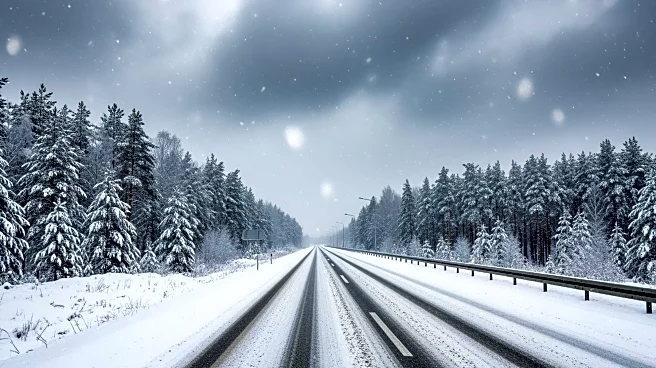
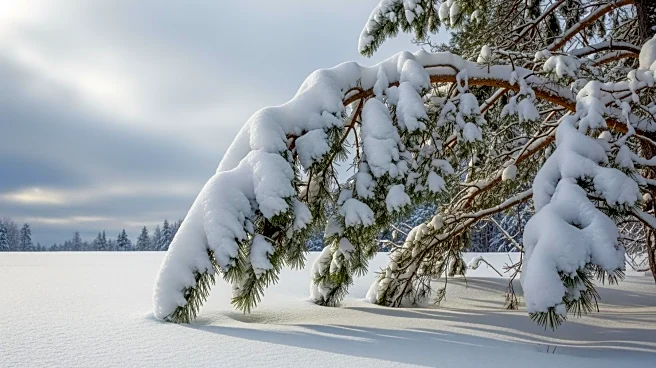
The United States has experienced a particularly deadly winter season, with severe storms and heavy snowfall leading to over 150 fatalities in just over a month. The harsh weather conditions, which included a significant Nor'easter, have affected the eastern
half of the country, causing hypothermia, motor vehicle accidents, and fatalities related to snow shoveling. In the Northeast, a blizzard resulted in more than a dozen deaths, with Rhode Island reporting significant snowfall and related fatalities. Additionally, avalanches in the western mountains have claimed several lives, highlighting the widespread impact of the winter storms.
Why It's Important?
The severe winter weather underscores the vulnerability of infrastructure and public safety systems to extreme weather events. The fatalities highlight the need for improved emergency preparedness and public awareness about the dangers of winter storms. The economic impact is also significant, with disruptions to transportation and increased demand on emergency services. The events serve as a reminder of the potential consequences of climate variability and the importance of resilience planning in mitigating the effects of such natural disasters.
What's Next?
As the winter season progresses, authorities are likely to focus on enhancing emergency response strategies and public safety measures. There may be increased efforts to educate the public on the risks associated with severe weather and the importance of preparedness. Additionally, policymakers might consider investing in infrastructure improvements to better withstand future storms. The ongoing situation will require close monitoring to prevent further loss of life and to manage the economic and social impacts effectively.
Beyond the Headlines
The recent winter storms may prompt discussions on climate change and its role in altering weather patterns. The frequency and intensity of such events could lead to a reevaluation of current climate policies and adaptation strategies. Furthermore, the social implications, such as the strain on communities and the need for social support networks during disasters, could become a focal point for future planning and policy development.