









What's Happening?
The United States Department of Agriculture’s Foreign Agricultural Service (USDA-FAS) is collaborating with CABI on a new initiative titled “Strengthening Market and Regulatory Capacity for Feed Sector and Biopesticides in Pakistan.” This project aims
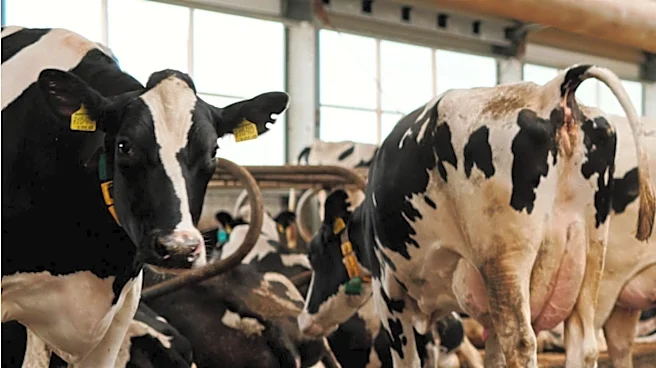
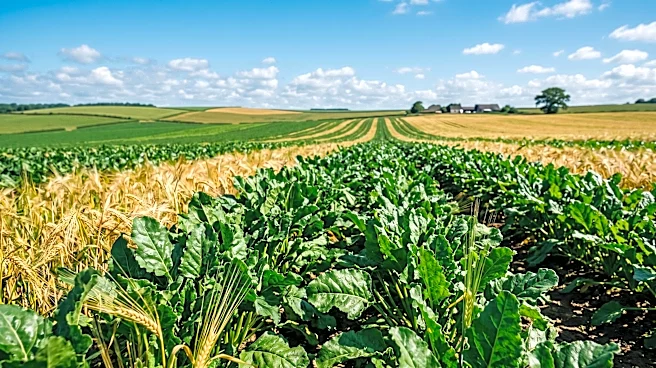
to bolster Pakistan's agricultural productivity by focusing on two critical areas: livestock nutrition and biological crop protection. As Pakistan's population grows, the demand for safe and nutritious food increases, necessitating improved farming practices. The initiative seeks to enhance knowledge, build technical capacity, and support science-based regulatory systems within Pakistan's livestock feed and crop-protection sectors. This involves strengthening the understanding of livestock feed ingredients, their nutritional value, and regulatory requirements, as well as supporting the implementation of Pakistan’s biopesticide registration framework. The project will provide targeted technical assistance, workshops, trainings, and consultations to regulatory authorities to improve biopesticide evaluation and registration processes, fostering greater access to effective solutions for farmers.
Why It's Important?
This collaboration is significant as it addresses fundamental challenges in Pakistan's agricultural sector, which directly impacts food security and economic stability. By improving livestock nutrition, the project aims to enhance animal health, increase productivity, and promote the efficient use of feed resources, leading to a more robust livestock industry. Simultaneously, strengthening biopesticide regulation provides farmers with safer and more sustainable crop protection tools, reducing reliance on conventional pesticides. This initiative supports the development of a transparent, science-based regulatory system, which can create clearer pathways for biological crop-protection products. For the U.S., such partnerships can foster international agricultural trade relations, promote global food security, and share American agricultural expertise, potentially opening markets for U.S. agricultural technologies and practices in the long term. The project also underscores the importance of international cooperation in addressing global agricultural challenges and promoting sustainable development.
What's Next?
As the program transitions from its inception phase into implementation, the immediate focus will be on translating stakeholder engagement into targeted technical activities. This includes conducting workshops, trainings, and consultations to strengthen knowledge and skills among farmers, distributors, regulators, and feed manufacturers. The project will continue to provide technical guidance and capacity building to support the effective implementation of Pakistan’s biopesticide registration framework. Future steps will involve ongoing monitoring and evaluation of the project's impact on livestock productivity, animal health, and the adoption of sustainable crop protection practices. The collaboration aims to build lasting foundations for a more productive, resilient, and sustainable agricultural future in Pakistan, with continued engagement from USDA-FAS and CABI to ensure the long-term success and sustainability of the initiatives.
Beyond the Headlines
Beyond the immediate agricultural benefits, this initiative has broader implications for public health and environmental sustainability in Pakistan. By promoting safer crop protection solutions through biopesticides, the project can contribute to reducing chemical residues in food and minimizing environmental pollution, leading to better public health outcomes. The emphasis on science-based decision-making and regulatory frameworks can also foster a culture of evidence-based policy-making within Pakistan's agricultural sector. This collaboration highlights the interconnectedness of global food systems and the role of international partnerships in addressing complex challenges like food security and sustainable agriculture. It also demonstrates how targeted technical assistance can empower local stakeholders to build resilient agricultural systems, potentially serving as a model for similar initiatives in other developing nations facing similar agricultural and food security challenges.