



What's Happening?
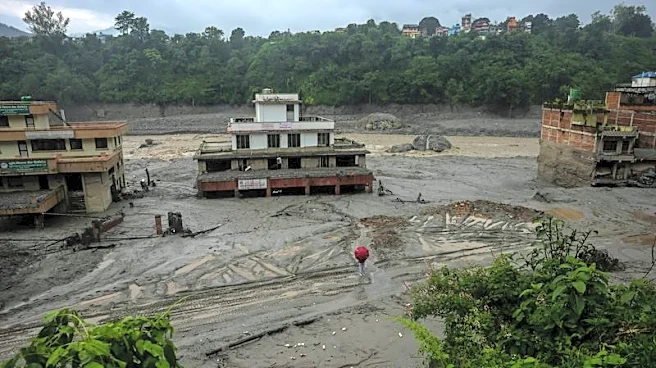
The World Health Organization (WHO) is actively addressing multiple global health emergencies and strengthening health systems worldwide. Recent efforts include providing immediate emergency medical supplies, tents, and disease surveillance for flood-hit
communities in Nepal. Concurrently, the WHO has declared the end of the Ebola outbreak in Uganda, following 42 consecutive days without a new confirmed case. In Mozambique, significant regulatory milestones have been achieved in strengthening the regulation of medicines and imported vaccines. Additionally, a new WHO collaborating center has been established in the Republic of Korea to further enhance health product regulatory system strengthening and training. These initiatives underscore the WHO's commitment to both immediate humanitarian response and long-term health resilience.
Why It's Important?
These actions by the WHO are crucial for global health security and have significant implications for international cooperation and public health infrastructure. The rapid response to the Nepal flash flood demonstrates the importance of swift humanitarian aid in mitigating immediate health risks and preventing further crises. The successful containment of the Ebola outbreak in Uganda highlights the effectiveness of robust surveillance, rapid response mechanisms, and international collaboration in controlling infectious diseases. The advancements in Mozambique's regulatory framework for medicines and vaccines are vital for ensuring the safety and efficacy of pharmaceutical products, which directly impacts public trust and health outcomes. The establishment of a new collaborating center in the Republic of Korea signifies a strategic investment in building global capacity for health product regulation, which is essential for preventing substandard or counterfeit medicines from entering markets and for facilitating access to quality healthcare.
What's Next?
The WHO will continue to monitor and respond to emerging health threats globally, emphasizing both emergency interventions and the development of resilient health systems. Future efforts will likely focus on further strengthening regulatory capacities in various countries, expanding training programs for health professionals, and enhancing surveillance systems to detect and respond to outbreaks more effectively. The organization will also continue to advocate for increased international funding and support for global health initiatives, particularly in vulnerable regions. The ongoing work in Nepal, Uganda, Mozambique, and the Republic of Korea serves as a model for future interventions, aiming to build sustainable health infrastructure and preparedness for future pandemics and health emergencies.
Beyond the Headlines
The WHO's multifaceted approach to global health extends beyond immediate crisis management, addressing deeper systemic issues that contribute to health vulnerabilities. The emphasis on strengthening regulatory systems, as seen in Mozambique and the Republic of Korea, reflects a recognition that robust governance and oversight are fundamental to public health. This includes ensuring timely access to essential medicines, which can be complicated by administrative procedures during emergencies. The lessons learned from past crises, such as the COVID-19 pandemic, are informing strategies to streamline the supply of controlled substances in humanitarian settings. This holistic approach, combining emergency response with long-term capacity building and regulatory reform, is essential for creating a more equitable and resilient global health landscape, ultimately protecting populations from future health threats.