






What's Happening?
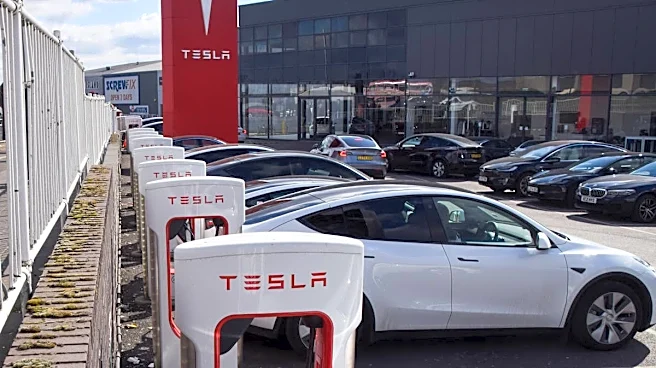
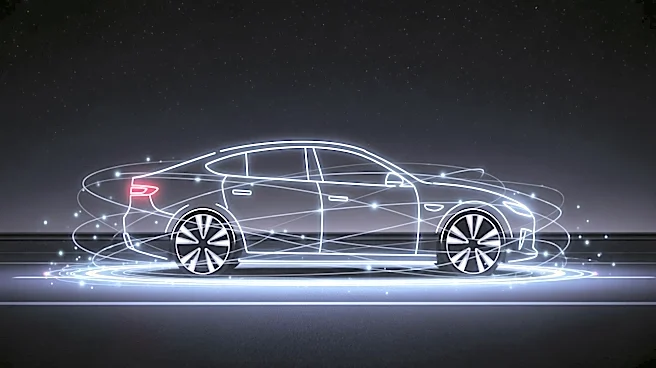
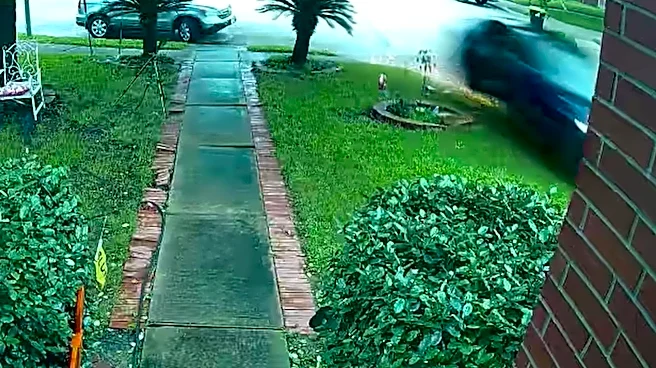
The National Highway Traffic Safety Administration (NHTSA) has initiated a special investigation into a fatal crash involving a Tesla Model 3 in Texas. The incident occurred when the vehicle, reportedly using its automated driving system, veered off the road
and crashed into a home, resulting in the death of a 76-year-old woman inside. The driver of the Tesla claimed to have been using the car's automated driving assistance at the time of the crash. The NHTSA's decision to open a special investigation indicates the seriousness with which they are treating the case, as such investigations are typically reserved for incidents that raise significant concerns about vehicle safety systems. Tesla CEO Elon Musk and the company's vice president of artificial intelligence, Ashok Elluswamy, have publicly disputed claims that the vehicle was in Full Self-Driving mode during the crash, suggesting driver override as a factor.
Why It's Important?
This investigation is significant as it highlights ongoing concerns about the safety and reliability of Tesla's self-driving technology. The outcome could have implications for the regulation of autonomous driving systems in the U.S., potentially affecting Tesla's business strategy and the broader automotive industry's approach to self-driving technology. The case underscores the tension between technological advancement and public safety, with federal regulators, safety advocates, and Tesla at odds over accountability and the readiness of such systems for widespread use. The incident also raises questions about the marketing of Tesla's Full Self-Driving feature, which critics argue may create a false sense of security among drivers.
What's Next?
The NHTSA's investigation is in its early stages and may take months to conclude. The agency will likely examine vehicle data logs, witness accounts, and other evidence to determine the cause of the crash. The findings could influence future regulatory actions and guidelines for autonomous vehicle technology. Meanwhile, Tesla continues to defend its technology, emphasizing the need for driver supervision. The case may prompt further scrutiny of Tesla's self-driving systems and could lead to increased regulatory oversight or changes in how such technologies are marketed and deployed.
Beyond the Headlines
The broader implications of this investigation touch on ethical and legal questions about responsibility in accidents involving automated systems. As self-driving technology becomes more prevalent, determining liability in crashes becomes increasingly complex. The case may set precedents for how responsibility is assigned between technology providers and users, potentially influencing future legal frameworks and consumer protection policies. Additionally, the incident may impact public perception of self-driving technology, affecting consumer trust and adoption rates.