






What's Happening?
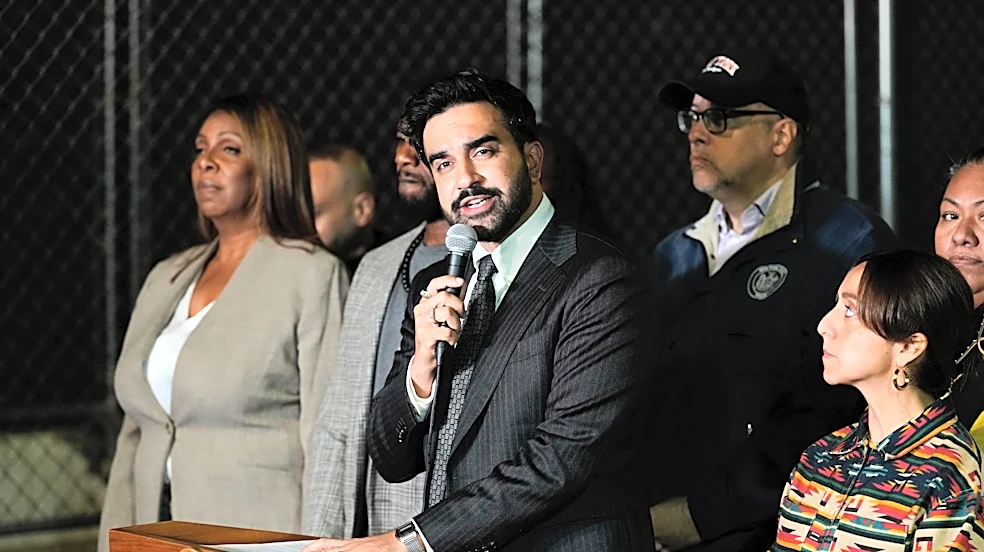
Representative Derek Tran, alongside several other California House Democrats, conducted an unannounced oversight visit to the Adelanto ICE Processing Center in California. The purpose of the visit was to provide congressional oversight and accountability
following reports of "unsafe" and "filthy" conditions within the facility. During their tour, the group was able to inspect the premises but was not permitted to speak directly with detainees. This visit follows a previously denied attempt by Representative Tran to access the facility and a subsequent letter sent to the Department of Homeland Security (DHS) and Immigration and Customs Enforcement (ICE) regarding his concerns. Representative Tran has also expressed support for legislative measures aimed at increasing transparency within ICE and enhancing accountability for detention centers. The visit underscores ongoing concerns about the conditions and operations of immigration detention facilities.
Why It's Important?
This oversight visit is significant as it highlights persistent concerns regarding the treatment of detainees and the conditions within U.S. immigration detention facilities. Congressional oversight is a critical mechanism for ensuring accountability from federal agencies like ICE. Reports of unsafe and unsanitary conditions, if substantiated, can lead to serious human rights issues and legal challenges. The inability of lawmakers to directly interview detainees during their visit raises questions about transparency and the extent to which oversight can be effectively conducted. This event could fuel further legislative efforts to reform immigration detention policies and increase external monitoring, potentially impacting how ICE operates its facilities nationwide and how detainees' rights are protected. It also signals a continued focus from certain congressional members on immigration issues and the operations of federal immigration enforcement.
What's Next?
Following this oversight visit, Representative Tran and his Democratic colleagues may pursue several avenues. They could issue a formal report detailing their findings and recommendations, which could lead to further congressional hearings or investigations into ICE facility conditions. It is also possible that this visit will galvanize support for the bills Representative Tran already backs, which aim to increase ICE transparency and detention-center accountability. Stakeholders, including civil rights organizations and immigrant advocacy groups, are likely to use the findings from this visit to press for reforms and greater protections for detainees. ICE and DHS may face increased pressure to address the reported concerns and demonstrate improvements in facility management and detainee welfare. The incident could also become a point of discussion in broader immigration policy debates.
Beyond the Headlines
The visit to the Adelanto ICE facility touches upon deeper ethical and legal implications concerning the U.S. immigration system. The recurring reports of substandard conditions in detention centers raise fundamental questions about the nation's commitment to humanitarian standards for individuals in custody, regardless of their immigration status. The restriction on lawmakers speaking directly with detainees during an oversight visit could be interpreted as an impediment to thorough investigation and transparency, potentially undermining the very purpose of congressional oversight. This situation also highlights the ongoing tension between national security interests and the protection of individual liberties within the immigration enforcement framework. Long-term, such incidents contribute to the broader debate on comprehensive immigration reform, including the role and nature of detention in the immigration process and the balance between enforcement and human rights.