




What's Happening?
A United Nations report has revealed a significant increase in miscarriages in Gaza, with nearly 4,000 pregnancy losses recorded between January and June 2026. This rate is more than three times higher than in the latter half of 2025. The report attributes
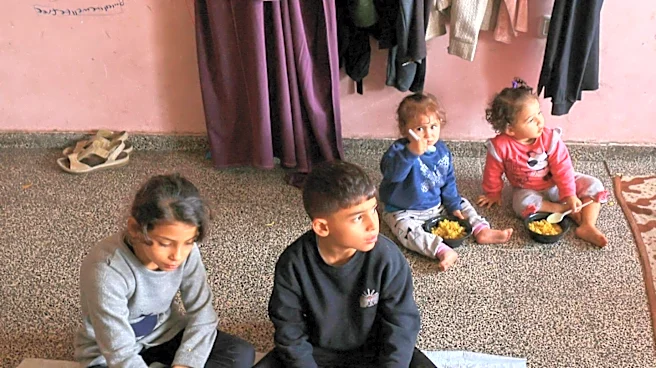
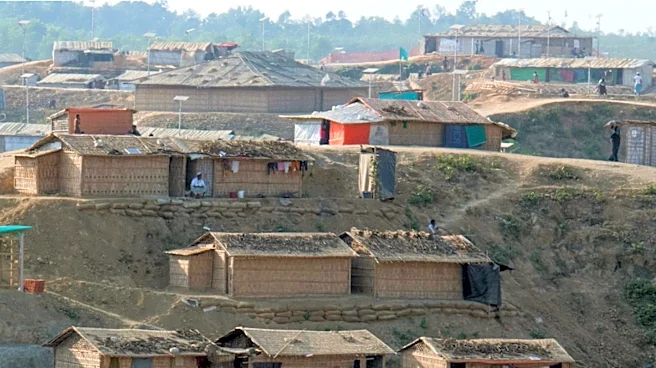
the rise to harsh living conditions, including lack of access to clean water, nutritious food, and adequate shelter, as well as high stress levels. The United Nations Population Fund (UNFPA) highlights the severe food insecurity, malnutrition, and psychological trauma faced by pregnant women in Gaza.
Why It's Important?
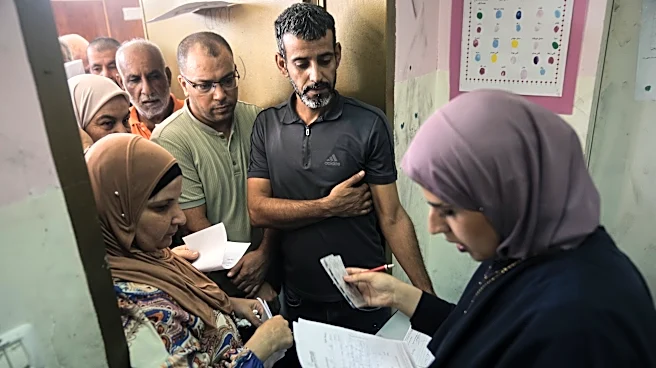
The alarming increase in miscarriages in Gaza underscores the severe humanitarian crisis in the region. The lack of basic necessities and healthcare services poses significant risks to maternal and child health. This situation highlights the urgent need for international aid and intervention to address the dire living conditions and prevent further health deterioration. The ongoing conflict and blockade exacerbate the challenges faced by the population, impacting their overall well-being and future prospects.
What's Next?
The UNFPA has commissioned a report to further analyze the conditions contributing to the rise in miscarriages, expected in two months. International organizations and humanitarian groups may increase efforts to provide aid and support to the affected population. The situation calls for coordinated international action to improve living conditions and ensure access to essential services for pregnant women and their families.
Beyond the Headlines
The crisis in Gaza raises broader questions about the impact of prolonged conflict on public health and human rights. The lack of access to healthcare and basic needs highlights systemic issues that require long-term solutions. Addressing these challenges is crucial for achieving sustainable peace and development in the region.