


What's Happening?
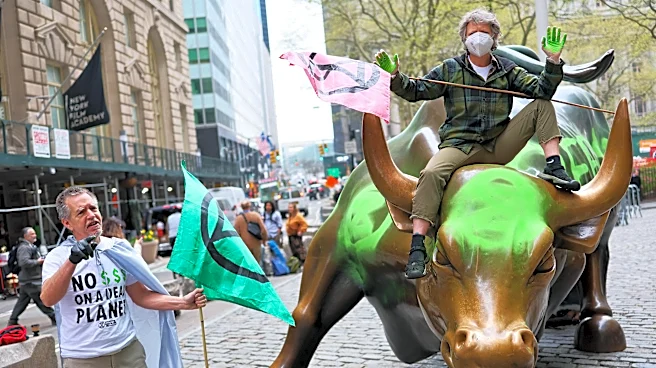
Activists at COP31 in Antalya, Türkiye, are rejecting what they term 'pretence' in closed-door negotiations, demanding real climate action and accountability from financial institutions. Thousands of environmental civil society organizations protested,
calling for the phasing out of fossil fuels, increased climate finance contributions from polluting nations, and the removal of industry lobbyists from negotiations. A key focus of their demands is holding financial institutions, such as Standard Bank, accountable for bankrolling oil and gas projects like the East African Crude Oil Pipeline (Eacop). According to Zaki Mamdoo of the StopEacop coalition, such mega-projects are enabled by an 'unholy alliance' between industrial capitalists, fossil fuel industries, and financial capitalists. Activists from East Africa, South Asia, and Southeast Asia highlighted the urgent survival needs of frontline communities, contrasting them with the 'watered-down compromises' emerging from official COP33 negotiating rooms. They advocate for grant-based climate finance, full commitment to renewables without fossil-fuel loopholes, and an end to what they describe as Global North domination.
Why It's Important?
This strong stance by activists at COP31 has significant implications for U.S. policy and corporate practices. The U.S., as a major global economic power and a significant contributor to historical emissions, is a primary target of calls for increased climate finance and accountability. The demand to hold financial institutions responsible for funding fossil fuel projects could lead to increased pressure on U.S. banks and investment firms to divest from such ventures and reallocate capital towards sustainable alternatives. This could impact the profitability and operational strategies of U.S. energy companies and financial sectors. Furthermore, the activists' rejection of 'watered-down compromises' signals a growing global impatience with incremental climate action, potentially pushing the U.S. government to adopt more ambitious and legally binding climate policies to maintain international credibility and address domestic environmental concerns. The criticism of 'Global North domination' also highlights geopolitical tensions that could influence U.S. foreign relations and trade policies related to climate change.
What's Next?
The ongoing protests and demands at COP31 are expected to intensify pressure on negotiators to include more robust commitments in the final climate agreement. Activist groups will likely continue to organize and advocate for their 'non-negotiables,' which include grant-based climate finance, full commitment to renewables, and the exclusion of fossil fuel lobbyists. This sustained pressure could influence the U.S. delegation's negotiating position and potentially lead to domestic policy changes aimed at addressing these concerns. Financial institutions, particularly those with international operations, may face increased scrutiny and public campaigns urging them to cease funding fossil fuel projects. The outcome of COP31, shaped by these activist demands, could set a precedent for future climate summits and influence the global trajectory of climate action, impacting U.S. economic and environmental strategies for years to come.
Beyond the Headlines
The activism at COP31 underscores a deeper societal shift towards demanding immediate and equitable climate action, moving beyond traditional diplomatic channels. The focus on financial institutions highlights the intricate link between global finance and environmental degradation, suggesting that systemic change requires addressing the economic structures that enable fossil fuel expansion. The concept of 'climate justice' is central to these demands, emphasizing that the burden of climate change should not fall disproportionately on vulnerable communities and developing nations. This movement challenges the prevailing capitalist models that prioritize profit over planetary health, advocating for a fundamental re-evaluation of economic priorities. The call to remove industry lobbyists from negotiations also raises questions about the integrity of climate policy-making and the influence of corporate interests on global environmental governance, potentially leading to broader discussions about democratic participation and transparency in international forums.