






What's Happening?
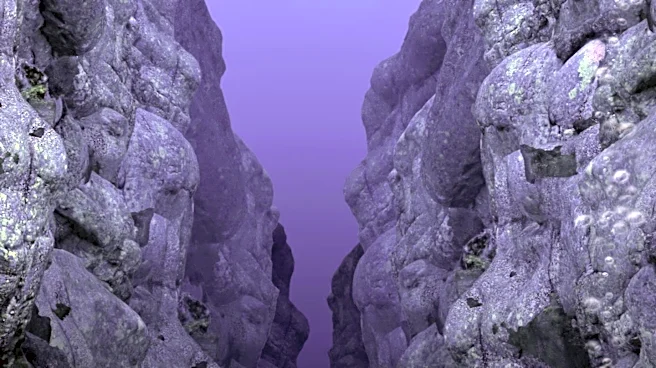
Japan has identified a substantial amount of medium and heavy rare earth elements in deep-sea mud off the coast of Minamitorishima island. The discovery was made by the Japanese scientific drilling vessel, Chikyu, which completed a monthlong mission in February.
The analysis revealed that about 54% of the total rare earth content in the mud consists of elements like yttrium, gadolinium, and dysprosium, which are crucial for aerospace, energy, and high-tech applications. This finding comes as Japan seeks to diversify its critical mineral supplies amid tightening Chinese export controls on heavy rare earths.
Why It's Important?
The discovery of rare earth elements in Japan's territorial waters is significant as it could reduce the country's reliance on Chinese imports for these critical materials. Rare earth elements are essential for various industries, including defense and automotive, and securing a domestic supply could enhance Japan's economic and strategic autonomy. This development also highlights the potential for deep-sea mining to become a viable source of rare earths, which could have broader implications for global supply chains and the geopolitical landscape.
What's Next?
Japan plans to conduct a large-scale mining trial in the same waters starting February 2027, aiming to dredge 350 tons of mud daily. The trial will test the feasibility of domestic rare earth production, with a comprehensive assessment of industrialization prospects expected by March 2028. This initiative could pave the way for Japan to establish itself as a significant player in the rare earth market, potentially influencing global supply dynamics and reducing the dominance of current major suppliers like China.
Beyond the Headlines
The move towards deep-sea mining for rare earths raises environmental and ethical considerations. The impact of such activities on marine ecosystems is a concern that needs to be addressed through stringent regulations and sustainable practices. Additionally, the geopolitical implications of Japan's potential entry into the rare earth market could lead to shifts in international alliances and trade policies, as countries seek to secure their own supplies of these critical materials.