







What's Happening?
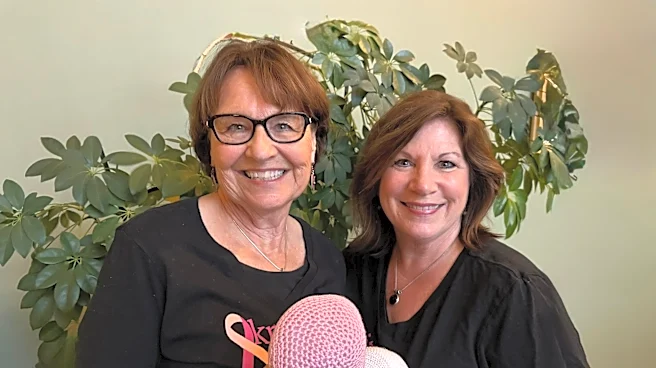
The American Foundation for Suicide Prevention (AFSP) Western New York chapter is actively working to raise awareness and provide resources for mental health and suicide prevention. Samantha Standing, area director for AFSP Western New York, highlights
the organization's focus on early intervention and open conversations. AFSP partners with industry leaders and community organizations, such as through 'Hikes for Hope' events, to engage specific populations like construction workers who face elevated mental health risks. The organization also offers evidence-based educational programs, including 'More Than Sad' for middle and high school communities, which teaches students, parents, and educators to recognize signs of depression and suicide risk. AFSP emphasizes that suicide is preventable and encourages community members not to shy away from difficult conversations when they notice someone struggling. The organization is also a leading private funder of suicide prevention research in the U.S., with findings shaping educational programs nationwide. AFSP relies heavily on a dedicated team of over 200 volunteers to carry out its mission across 17 counties.
Why It's Important?
The efforts of AFSP Western New York are crucial for addressing the growing mental health crisis in the United States, particularly concerning suicide prevention. By focusing on early intervention, the organization aims to prevent situations from escalating, as demonstrated by a mother who recognized signs of depression in her 10-year-old daughter and sought help early. This proactive approach can save lives and improve long-term well-being. The emphasis on open conversations helps to reduce the stigma associated with mental health issues, encouraging more individuals to seek help. Furthermore, targeting specific high-risk groups, such as construction workers, ensures that support reaches those who may face unique stressors and barriers to care. AFSP's role as a major funder of suicide prevention research is vital for developing more effective prevention strategies and informing best practices, ultimately benefiting communities across the country by providing evidence-based programs and resources.
What's Next?
AFSP Western New York will continue its community outreach and educational initiatives, including 'Hikes for Hope' and programs like 'More Than Sad.' The organization will likely maintain its focus on equipping parents, educators, and youth with the tools to recognize symptoms of depression and seek early help. Ongoing efforts will also involve supporting research to further understand and prevent suicide, with findings being integrated into future educational programs. The chapter will continue to rely on its extensive volunteer network to expand its reach and impact across the 17 counties it serves. Community members are encouraged to get involved through volunteering, fundraising, participating in 'Out of the Darkness Walks,' or simply learning how to support someone in need. The organization also reminds individuals that help is available by calling or texting 988 for those struggling with thoughts of suicide.
Beyond the Headlines
The work of AFSP Western New York underscores a broader societal shift towards recognizing mental health as a critical component of overall well-being, moving beyond traditional views that often stigmatized mental illness. The focus on early intervention highlights a preventative approach, aiming to address mental health challenges before they reach crisis levels. This proactive stance has significant implications for public health, potentially reducing the long-term burden on healthcare systems and improving the quality of life for countless individuals. The targeting of specific professions, like construction workers, acknowledges the diverse factors that contribute to mental health struggles, including job stress and workplace culture, suggesting a need for tailored support systems across various industries. Ultimately, these efforts contribute to fostering a more compassionate and understanding society where mental health is openly discussed, and seeking help is seen as a sign of strength, not weakness.