


What's Happening?
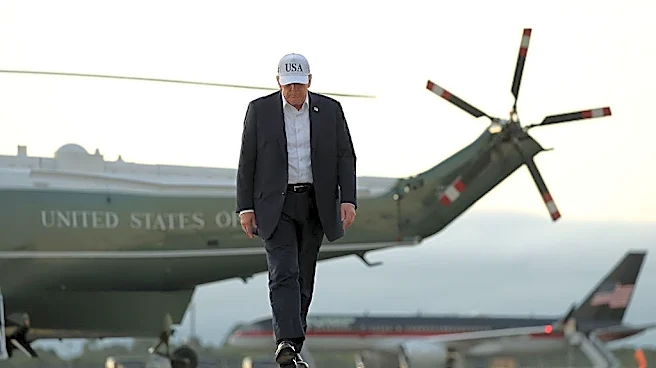
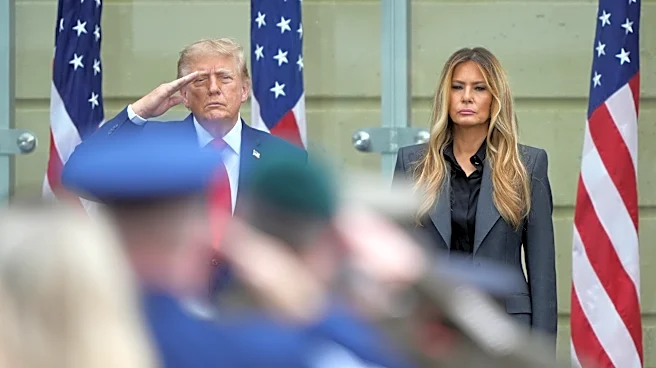
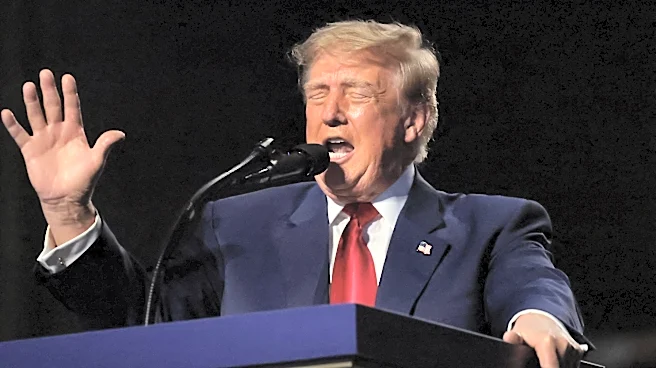
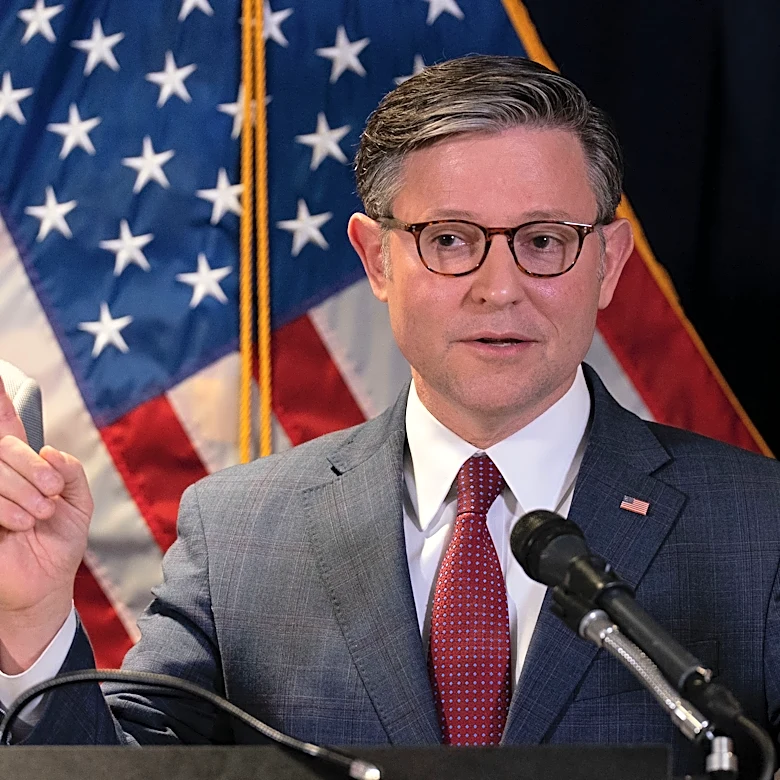
U.S. Rep. Katherine Clark, the House Democratic Whip, has accused President Trump of attempting to bribe American voters. This accusation follows President Trump's promise of $5,000 payments to 'eligible' American adults if Republicans maintain control
of Congress after the midterm elections. The announcement was made at the Republican midterm convention in Dallas. Clark stated that President Trump's presidency is 'failed and broken' and that he is resorting to bribing the American people for their votes. Other Democratic leaders, including Senate Minority Leader Chuck Schumer and Sen. Alex Padilla, echoed these sentiments, with Padilla calling the proposal 'a stunt' and illegal. The proposal comes amidst voter concerns about inflation and rising prices, with the U.S. Bureau of Labor Statistics reporting a 3.4% increase in prices over the 12 months ending in July, and significant increases in energy and gasoline costs following the Trump administration's military campaign in Iran.
Why It's Important?
This development is important as it highlights a contentious political strategy ahead of the midterm elections, potentially influencing voter behavior and the integrity of the electoral process. The accusation of bribery, if substantiated, could have significant legal and ethical implications for political campaigns and the use of public funds. The proposed $5,000 payments, estimated to cost nearly $1.3 trillion by the Committee for a Responsible Federal Budget, raise questions about fiscal responsibility and the potential impact on the national debt. Furthermore, the debate over these payments underscores the economic anxieties of American voters, particularly concerning inflation and rising costs, which are central issues in the upcoming elections. The differing reactions from Democrats and some Republicans also reveal a partisan divide on economic policy and campaign tactics, potentially shaping legislative priorities and political discourse in the coming months.
What's Next?
The immediate next steps will likely involve continued political debate and scrutiny of President Trump's proposal as the midterm elections approach. Democratic leaders are expected to continue their criticism, emphasizing the alleged illegality and ethical concerns of the promised payments. Conversely, some Republicans, like Sen. Bernie Moreno, have embraced the idea, indicating a potential legislative push for a 'Trump Dividend' if they secure a congressional majority. Voters will ultimately decide the impact of this promise at the ballot box. The Committee for a Responsible Federal Budget's cost estimate of $1.3 trillion for the payments will likely fuel further discussions about economic feasibility and fiscal policy. The outcome of the midterm elections will determine whether such a proposal gains traction in Congress or remains a campaign promise.
Beyond the Headlines
Beyond the immediate political implications, this event touches upon deeper issues concerning the role of government in economic relief and the boundaries of campaign promises. The accusation of 'bribing' voters raises fundamental questions about democratic principles and the ethical conduct of political leaders. It also highlights the increasing trend of direct financial incentives being used as political tools, which could set a precedent for future elections. The public's reaction to such proposals will reflect their trust in government and their economic vulnerabilities. Furthermore, the discussion around the $5,000 payments could spark broader conversations about wealth distribution, social welfare programs, and the government's responsibility to address economic hardships, potentially influencing long-term policy debates beyond the current election cycle.