



What's Happening?
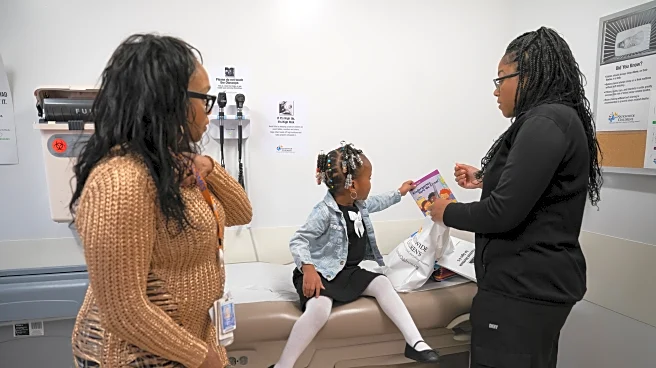
Nationwide Children's Hospital in Columbus, Ohio, has initiated a program to screen children's literacy skills starting at age 3 during pediatric visits. This initiative aims to identify reading struggles early and guide parents on how to support their
children's literacy development. The hospital selected clinics for these screenings based on their proximity to schools with lower performance scores on kindergarten readiness assessments. The program, which began in 2022, has conducted over 2,400 screenings, focusing on high-needs populations, including families that are uninsured or on Medicaid. The screenings are not designed to diagnose learning disabilities but to identify areas where children may need additional support. This approach is part of a broader effort to address the national concern over declining childhood literacy rates, as only about 30% of fourth graders are considered proficient in reading according to the 2024 National Assessment of Educational Progress.
Why It's Important?
The implementation of literacy screenings in medical settings represents a significant shift in addressing childhood literacy challenges. By identifying reading difficulties early, the program aims to prevent long-term academic struggles, as children who start kindergarten with lower reading abilities often continue to lag behind their peers. This initiative could serve as a model for other pediatric care centers, potentially influencing national education and healthcare policies. The program also highlights the critical role of parents as primary educators, providing them with tools and resources to support their children's literacy at home. As literacy is a foundational skill for academic success and lifelong learning, improving early reading skills can have far-reaching impacts on individual futures and societal outcomes.
What's Next?
The program at Nationwide Children's Hospital will continue to refine its approach, potentially expanding to more clinics and incorporating feedback from educators to better tailor literacy kits and resources. The hospital plans to maintain contact with families to track progress and provide ongoing support. This initiative may inspire similar programs in other regions, prompting discussions among policymakers and educators about integrating literacy screenings into pediatric care nationwide. The success of this program could lead to increased funding and support for early literacy interventions, emphasizing the importance of cross-sector collaboration in addressing educational challenges.