








What's Happening?
The documentary 'Union Town,' directed by Barbara Kopple, premiered at the 2026 Toronto International Film Festival (TIFF), shedding light on the deteriorating working conditions and rights of delivery workers in New York City. The film, which is the third
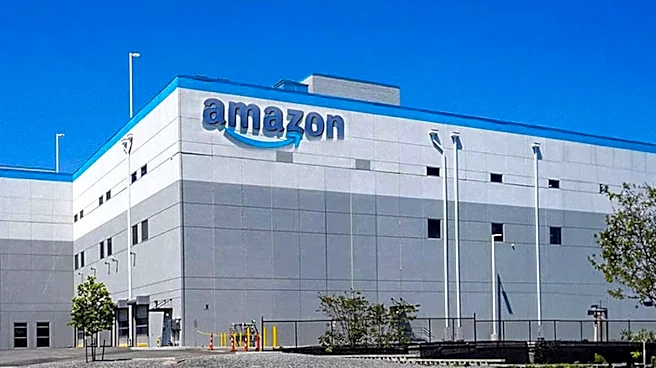
in Kopple's labor documentary trilogy, focuses on UPS, Amazon, and app-based bicycle delivery workers. It highlights the challenges faced by these workers, from the relatively more organized UPS employees to the highly decentralized and often exploited Amazon and bicycle delivery personnel. The documentary reveals instances of workers living in their cars due to insufficient wages and the impersonal nature of app-based employment, where individuals can be dismissed without notice or clear explanation. Political interference is also depicted as exacerbating the struggles of these workers.
Why It's Important?
The film 'Union Town' is critically important as it exposes a growing crisis in the U.S. labor market, particularly within the gig economy and logistics sectors. It illustrates how the pursuit of convenience and technological advancement has, in many cases, led to a significant erosion of workers' rights and corporate accountability. The documentary's portrayal of decentralized workforces, where employees often lack a clear employer or union representation, underscores the difficulties in organizing and advocating for better conditions. This situation has profound implications for the U.S. economy and society, as it highlights increasing income inequality, precarious employment, and the potential for widespread social unrest if these issues remain unaddressed. The film serves as a stark reminder of the human cost behind everyday conveniences and challenges consumers and policymakers to reconsider the ethical implications of modern labor practices.
What's Next?
The premiere of 'Union Town' at TIFF 2026 is likely to spark increased public discourse and scrutiny regarding labor practices in the U.S., particularly within the e-commerce and delivery sectors. The documentary's unflinching portrayal of worker exploitation could galvanize labor unions and advocacy groups to intensify their efforts in organizing and lobbying for stronger worker protections. Policymakers may face renewed pressure to address issues such as minimum wage, benefits for gig workers, and regulations concerning app-based employment. Companies like Amazon and other delivery services might face public relations challenges and calls for greater transparency and accountability in their treatment of employees. The film's impact could extend to consumer behavior, potentially encouraging more conscious choices about which services to support based on their labor practices.
Beyond the Headlines
Beyond the immediate concerns of worker rights and corporate accountability, 'Union Town' delves into the broader ethical and societal implications of an economy increasingly driven by convenience and technology. The film implicitly questions the societal value placed on instant gratification at the expense of human dignity and fair labor. It highlights a fundamental shift in the employer-employee relationship, moving from traditional, centralized workplaces to fragmented, often invisible workforces. This shift not only makes it harder for workers to organize but also allows corporations to sidestep traditional responsibilities. The documentary's focus on political interference further underscores the complex interplay between economic forces, technological innovation, and governance, suggesting that the erosion of workers' rights is not merely an economic phenomenon but a systemic issue requiring comprehensive policy and ethical re-evaluation.